
The World’s Best Cultural Destinations — Ranked by Value
$2 banh mi in Hoi An. Free temples across Kyoto. Village mezcal distilleries in Oaxaca for pennies. The world’s most culturally immersive destinations — ranked on depth per dollar, not UNESCO listings or guidebook fame.

What Makes a Great Value Cultural Destination?
Cultural depth and travel cost have almost no relationship. The destinations with the richest living culture — Hoi An, Oaxaca, Marrakech — are frequently among the most affordable on earth. The ones that charge the most — Paris, Venice, the Swiss Alps — often have less genuine cultural texture per dollar than a week in Southeast Asia for half the price.
The biggest misconception in cultural travel is equating prestige with depth. The Louvre is extraordinary. It is also one of the most crowded, least intimate cultural experiences in the world. Fushimi Inari in Kyoto is free, open 24 hours, and genuinely moving at 5am before the crowds arrive. The medina in Marrakech charges nothing to walk through and has been running the same rhythms for 900 years. We score every destination on what the full cultural experience actually costs — including the food, the transport, the admission fees, and the honest reality of what you can access on a real budget — not just what looks impressive in a rankings list.
The Cultural Travel Rankings
Ranked by VacayValue Score. Every guide includes verified costs, honest hotel picks, and a clear breakdown of what’s free, what costs money, and what’s genuinely worth it.
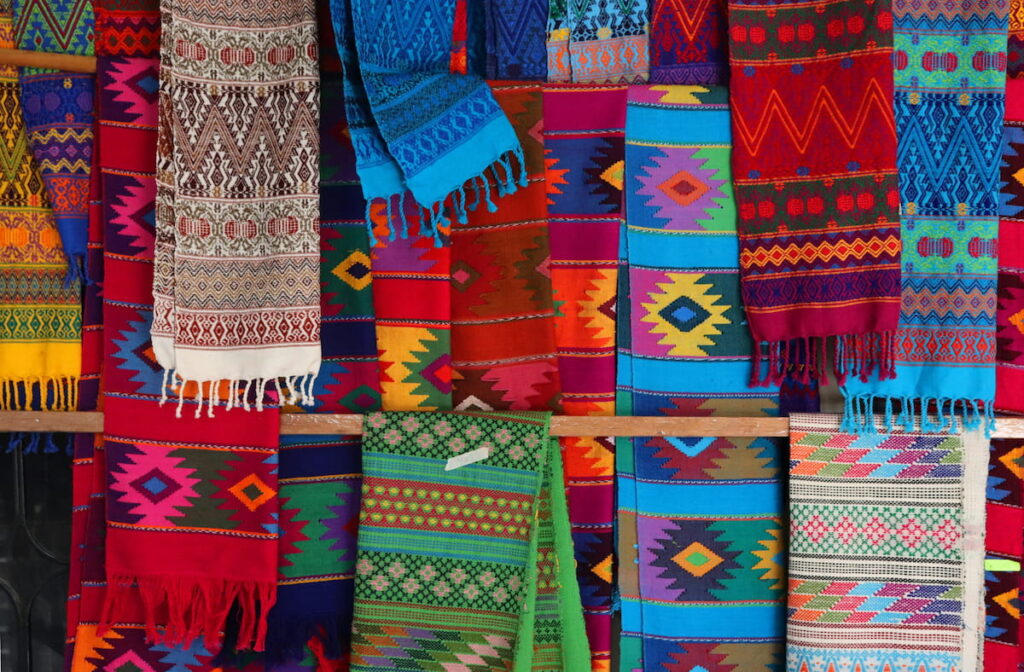
Village mezcal distilleries accessible for $3 tasting fees. Zapotec ruins at Monte Albán for $5. The country’s most celebrated mole negro at a family comedor for $8. And a Day of the Dead celebration that fills the streets, the cemeteries, and the markets for three days without a single admission ticket. Oaxaca’s 9.4 score reflects a place where cultural depth is embedded in daily life — in the food, the markets, the craft traditions, and the calendar — rather than concentrated in a few high-admission museum blocks.
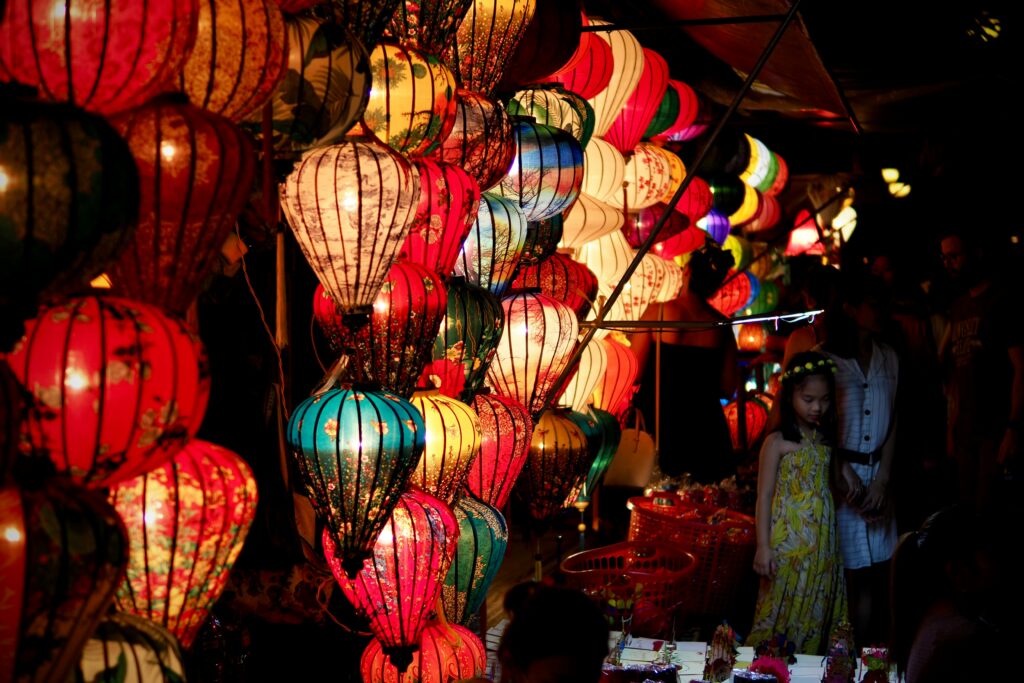
Silk lanterns over the Thu Bon River every night. Banh mi from a cart that has been in the same spot for 40 years, for $1.50. A custom suit tailored in 24 hours for $80. The Full Moon Festival, when the Ancient Town goes lantern-only, every single month. Hoi An has more concentrated cultural texture per block than almost any destination on earth — and a nightly rate at a mid-range guesthouse that runs $25–$45. The Ancient Town itself charges an entry ticket ($6), but the streets, the river, and the market run the same way they have for centuries whether you’ve paid or not.
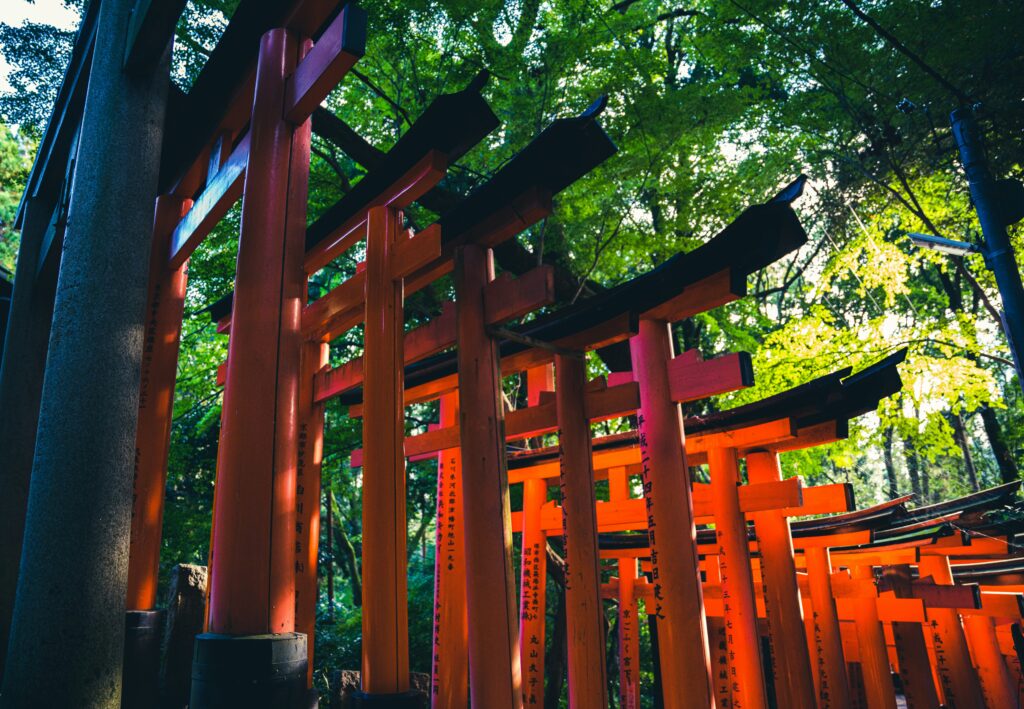
1,600 Buddhist temples and Shinto shrines in a single city — most of them free to enter or costing $5–$8. The Fushimi Inari torii gate tunnel is open 24 hours and costs nothing. Arashiyama’s bamboo grove is a 10-minute walk from the train station. The Nishiki Market runs the length of a city block and charges nothing to walk through. Japan’s reputation for expense comes from its cities’ hotels and restaurants; Kyoto’s cultural core — the temples, the shrines, the geisha districts of Gion, the Philosopher’s Path at cherry blossom — is largely accessible on whatever budget you bring.
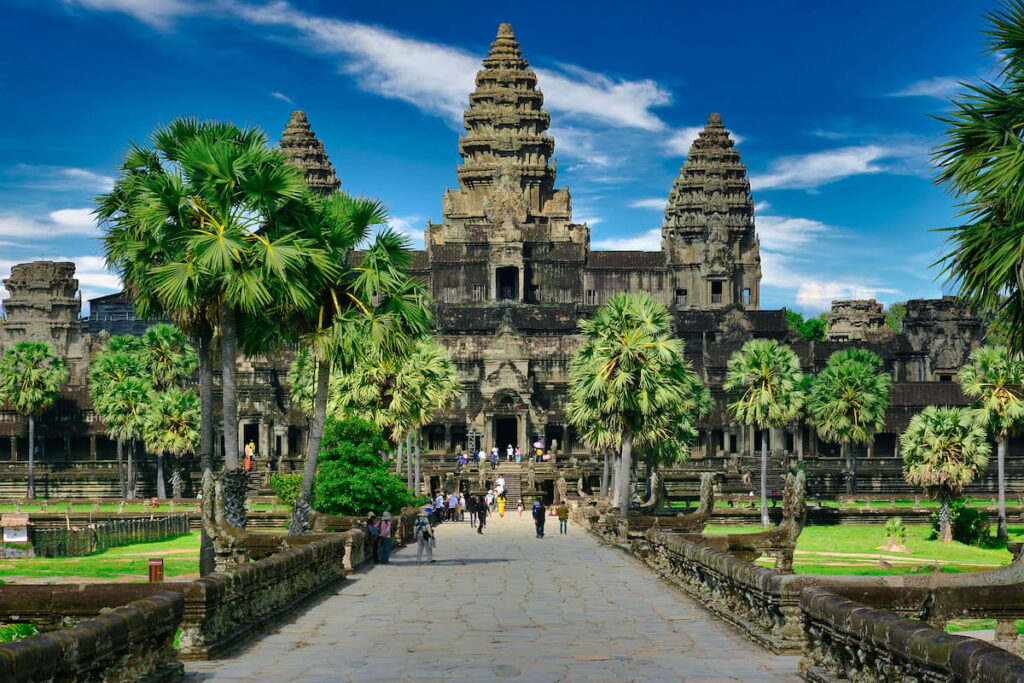
Angkor Wat at sunrise. Ta Prohm’s roots splitting 900-year-old stonework. Bayon’s 216 stone faces staring out from a 12th-century Khmer state temple. The Angkor Archaeological Park covers 400 square kilometers and a three-day pass costs $62. Hotels start at $12/night. Full meals at local restaurants run $2–$4. Siem Reap delivers a scale of cultural monument that exists nowhere else on earth — and does it at prices that make Southeast Asia’s cheapest destinations look expensive by comparison.
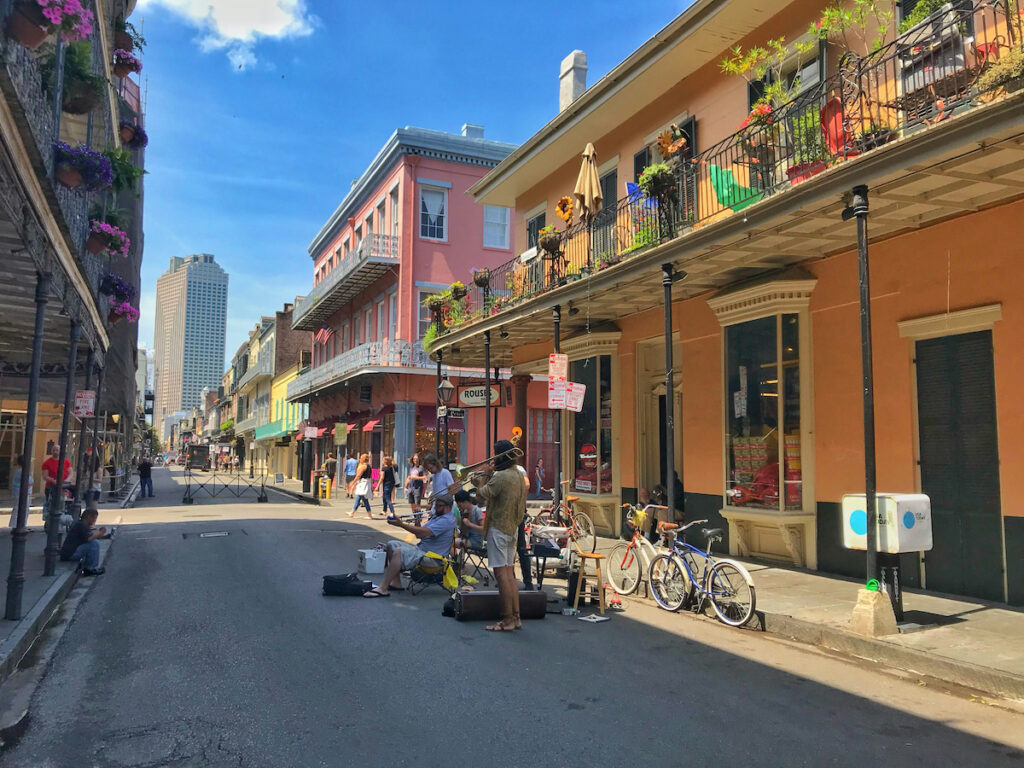
No US city has more cultural density per block. Live jazz on Frenchmen Street — real jazz, by working musicians, at bars that charge a $5–$10 cover or nothing at all — every night of the week. Beignets at Café Du Monde at 2am for $4. The French Quarter’s architecture unchanged since the 1800s. Creole cooking with roots in West African, French, and Spanish tradition. The St. Louis Cathedral free to enter. No passport required, no currency math, direct flights from most US hubs. New Orleans is the rare destination that delivers genuine cultural immersion at purely domestic price levels.
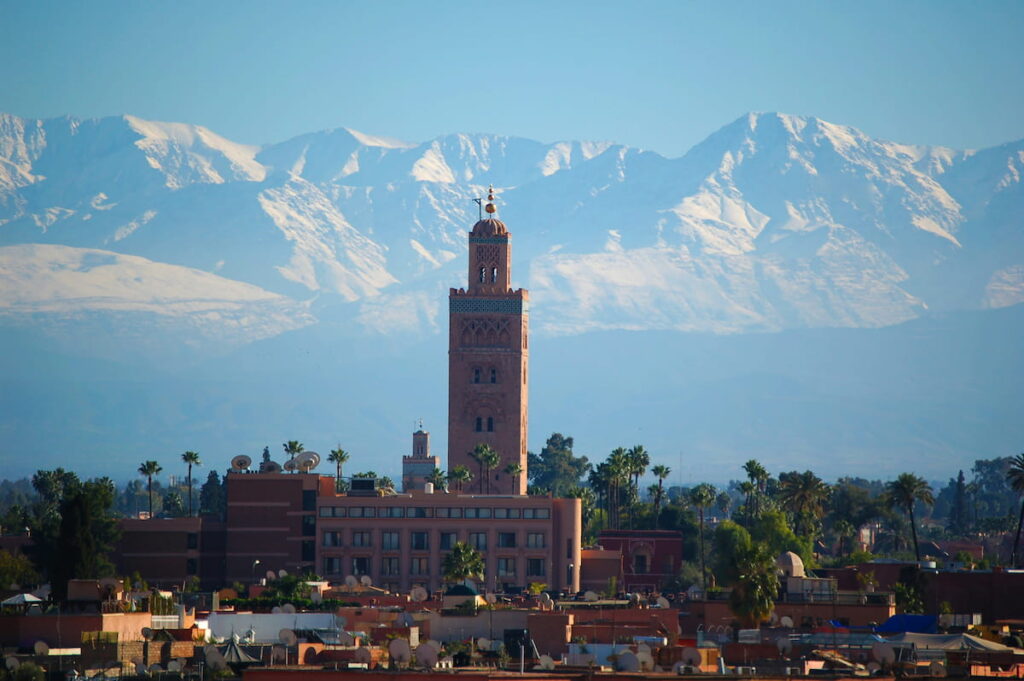
The medina’s street layout hasn’t changed in 900 years. Jemaa el-Fnaa — the main square — has been running the same show of storytellers, snake charmers, and food stalls since the 11th century, and it charges nothing to stand in the middle of it. Tagine at a medina restaurant costs $4–$8. Riad guesthouses — traditional courtyard homes converted to accommodation — run $35–$80/night and feel worth far more. The tanneries, the souks, the Ben Youssef Madrasa: most of the city’s best cultural experiences cost under $10 to access. Marrakech earns its score by making its culture genuinely reachable, not just photogenic.
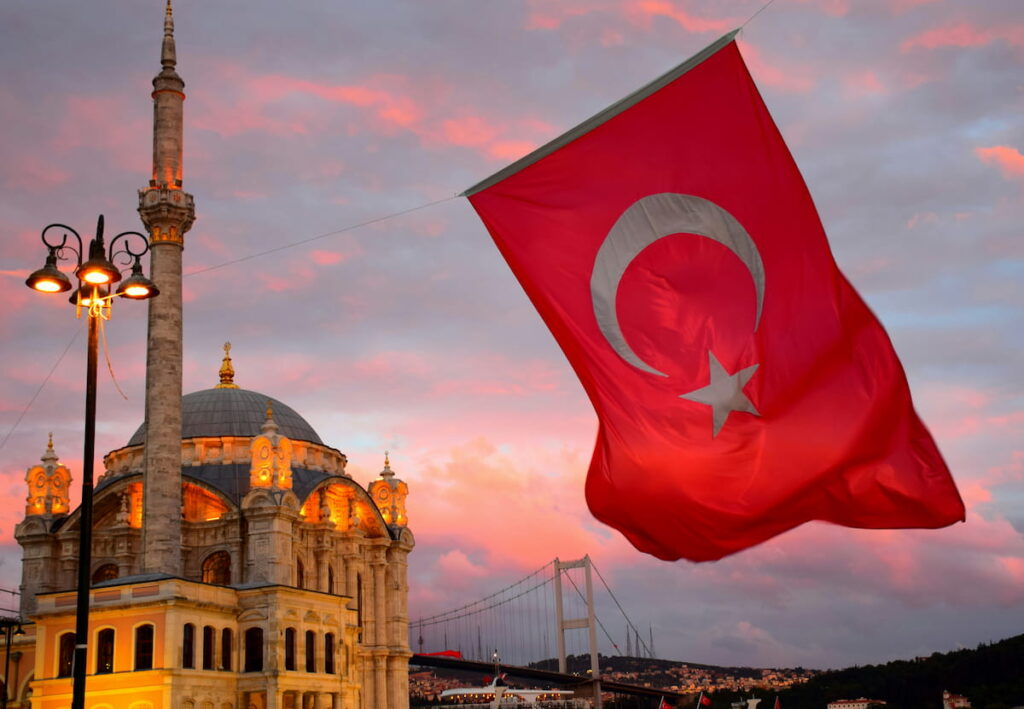
Roman cisterns underground, Byzantine mosaics in a converted basilica, and Ottoman mosques dominating the skyline — all within a 20-minute walk of each other in Sultanahmet. The Grand Bazaar has 4,000 shops and no entry fee. The Bosphorus ferry crossing between Europe and Asia costs $2. A simit from a street cart — Istanbul’s sesame-crusted bread ring — costs $0.25. The Hagia Sophia, reconverted to a mosque in 2020, is free to enter. Istanbul’s cultural density across three civilizations is unmatched anywhere in Europe, and its prices remain well below Western European capitals.
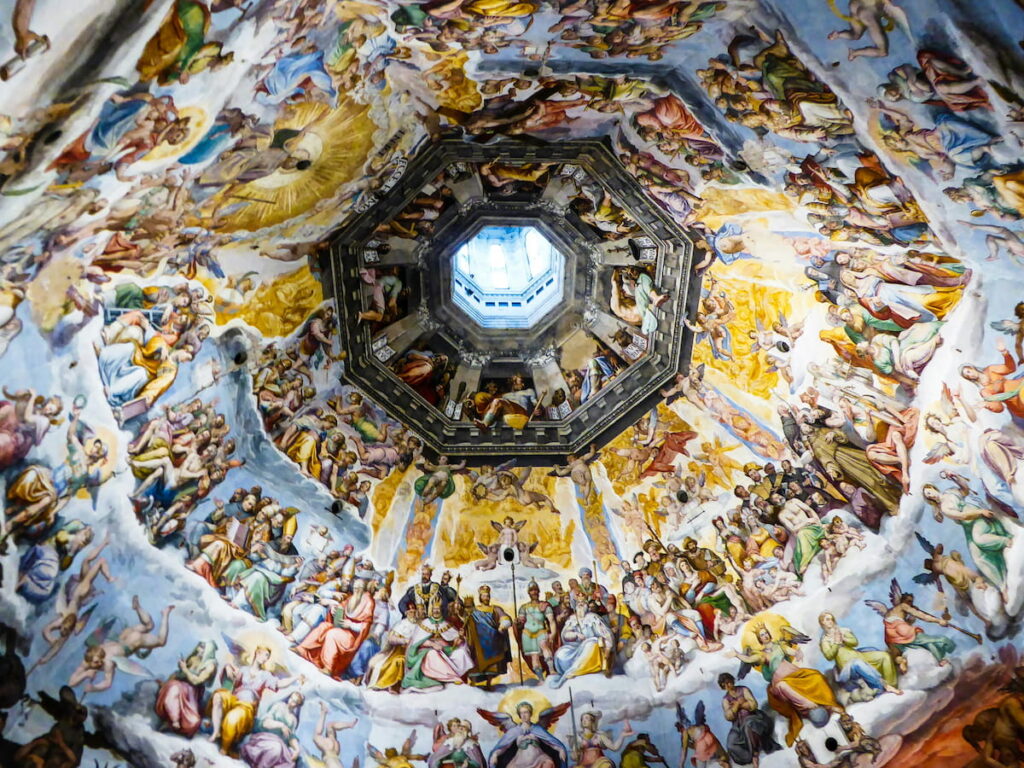
The Uffizi Gallery — Botticelli’s Birth of Venus, da Vinci, Caravaggio — costs €25 and is worth every cent if you’ve booked ahead. Michelangelo’s David at the Accademia costs €16. The Baptistery’s gilded doors, the Duomo’s exterior, and the Piazzale Michelangelo panorama overlooking the entire city: free. The Oltrarno neighborhood across the Arno costs nothing to walk through and has better trattorias at lower prices than anything near the Piazza della Signoria. Florence’s value proposition is about understanding which side of the price gap you’re on for each experience — our guide draws that line clearly for every major decision in the city.
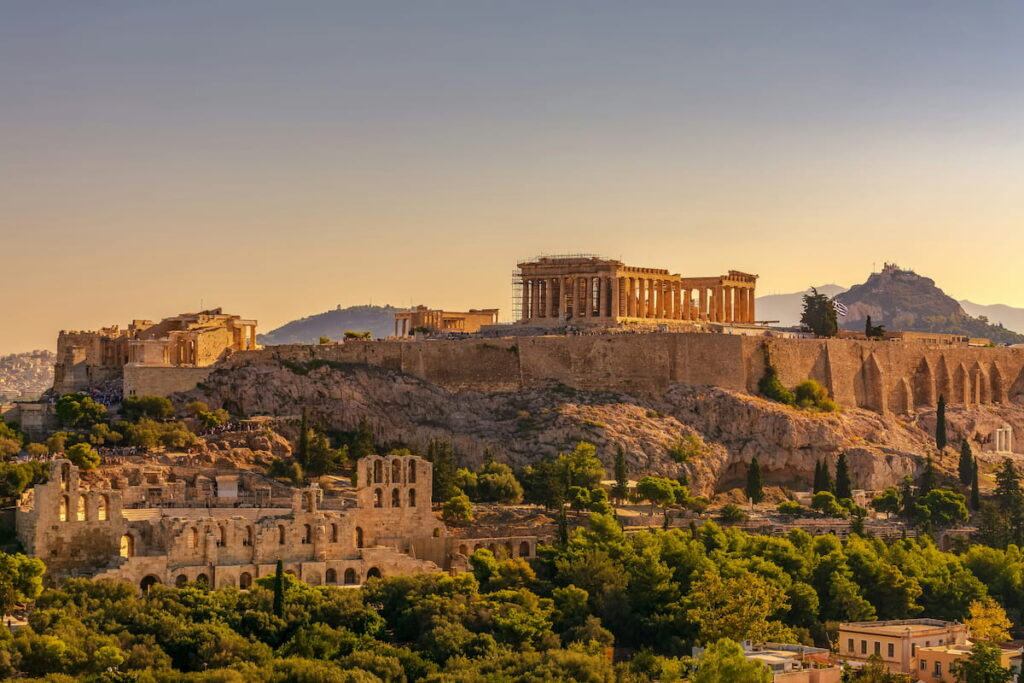
The Acropolis is visible from nearly every point in the city — a 2,500-year-old landmark that anchors the skyline from every neighborhood and costs €20 to climb. The combined ticket covering the Acropolis and seven surrounding archaeological sites costs €30. The National Archaeological Museum, one of the world’s great ancient collections, costs €15. Souvlaki from a grill shop in Monastiraki runs €3. Athens is consistently cheaper than Rome, Paris, or Barcelona at every price point — hotels, meals, transport, and admissions — while offering ancient-world cultural access that none of those cities can match.
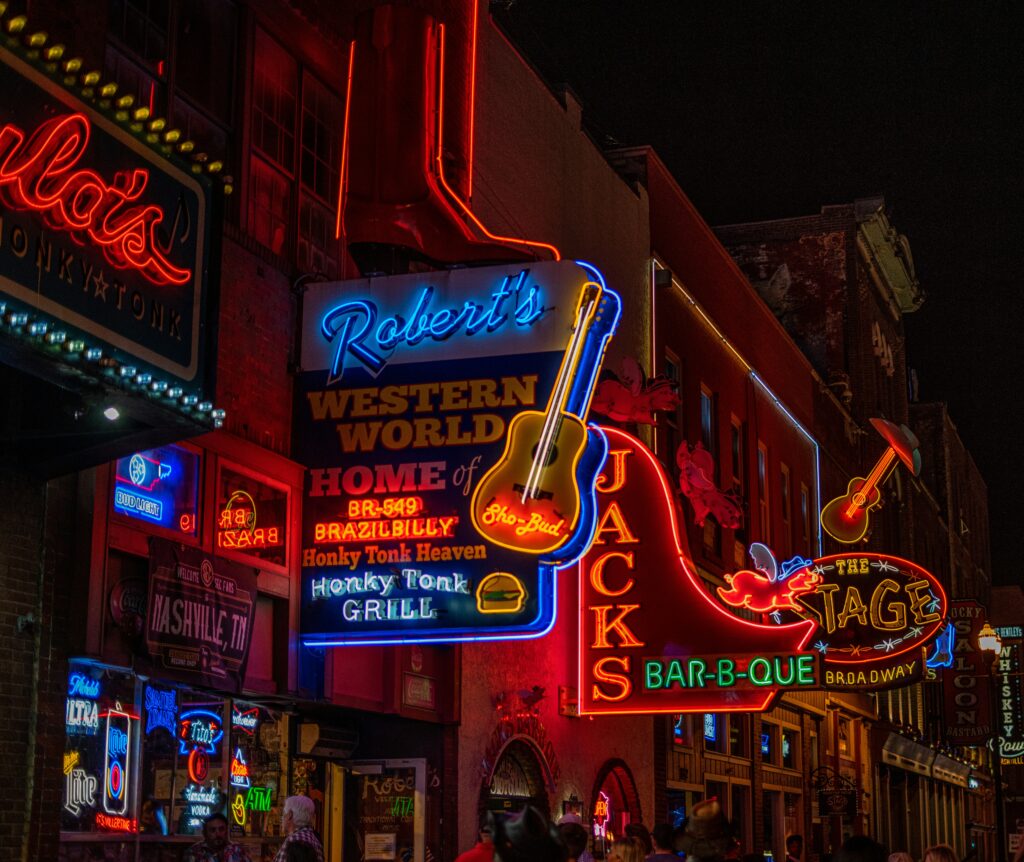
Nashville’s lower Broadway is a gauntlet of cover bands and $18 cocktails aimed squarely at bachelorette parties. The rest of the city — the Bluebird Cafe, Basement East, the Station Inn, the Country Music Hall of Fame, the First Center for the Visual Arts, the gulch murals — operates on entirely different economics. Free live music on Printer’s Alley. A Country Music Hall of Fame ticket for $30. The Tennessee State Museum costs nothing. Nashville’s 8.0 score reflects strong experience quality at reasonable US domestic prices, provided you know which two blocks to avoid spending money on.
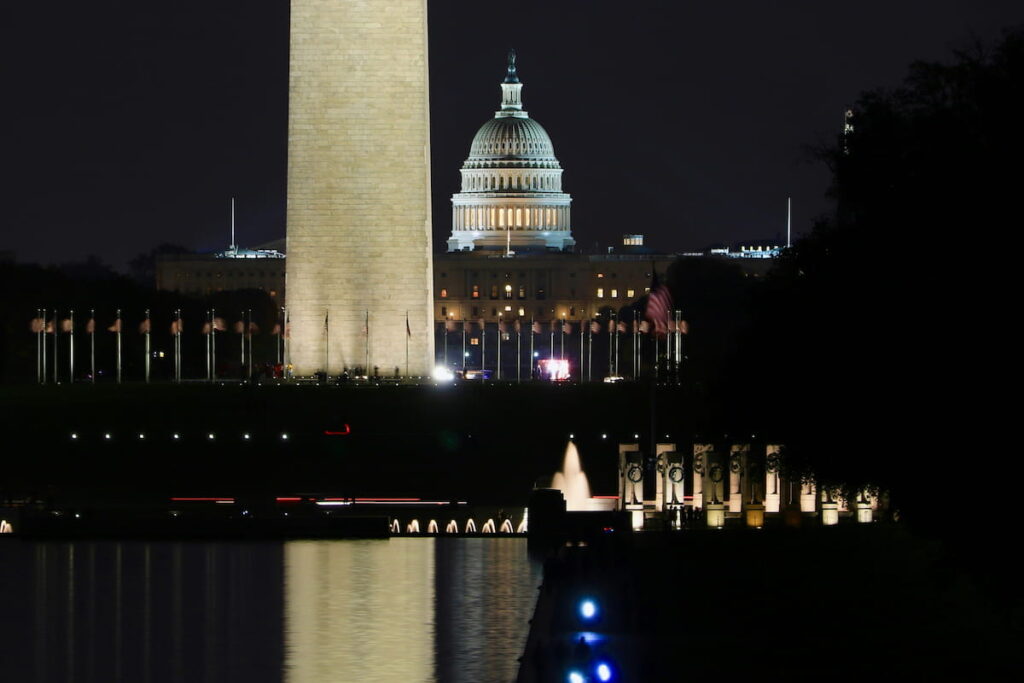
Nineteen Smithsonian museums. The National Gallery of Art. The Holocaust Memorial Museum. The Library of Congress. The monuments along the Mall. Every single one of them free. Washington DC has more world-class cultural institutions at no charge than any city in the Western world — and the National Mall puts them all within walking distance of each other. The entire cost of a DC trip is flights and a hotel. What you spend once you land is almost entirely optional. Our guide covers which neighborhoods have affordable accommodation, where locals eat away from the Mall, and how to structure three to five days to take in more culture per dollar than almost anywhere in the country.
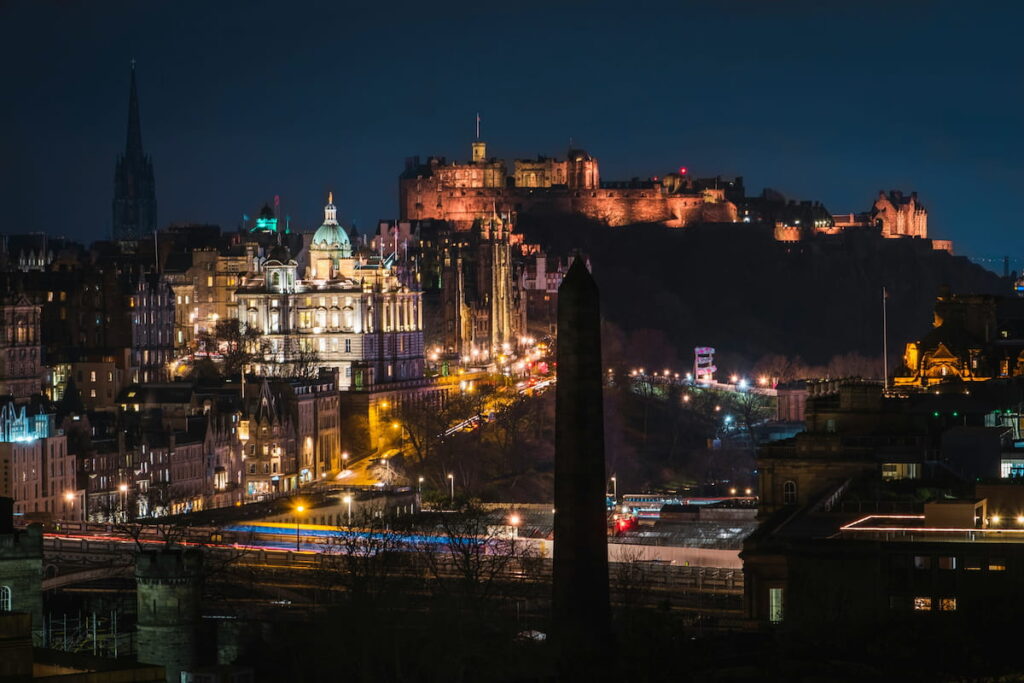
A medieval castle on a volcanic rock. A Royal Mile running downhill to a palace. Arthur’s Seat — an ancient volcano with panoramic views of the city — accessible on foot from the center. The National Museum of Scotland, one of the finest in the UK, free to enter. Edinburgh’s score of 7.6 reflects strong cultural experience quality held back slightly by UK hotel prices and the cost of flights from North America. The Fringe Festival in August transforms the city into the world’s largest arts event — with hundreds of free performances alongside ticketed shows — but also drives accommodation prices to their annual peak. Our guide covers the timing strategy, the neighborhoods that keep costs manageable, and which castle admission packages are actually worth buying.
More Cultural Guides Coming Soon
We’re working through the world’s great cultural destinations one guide at a time. Subscribe below to be first to know when each new guide drops.
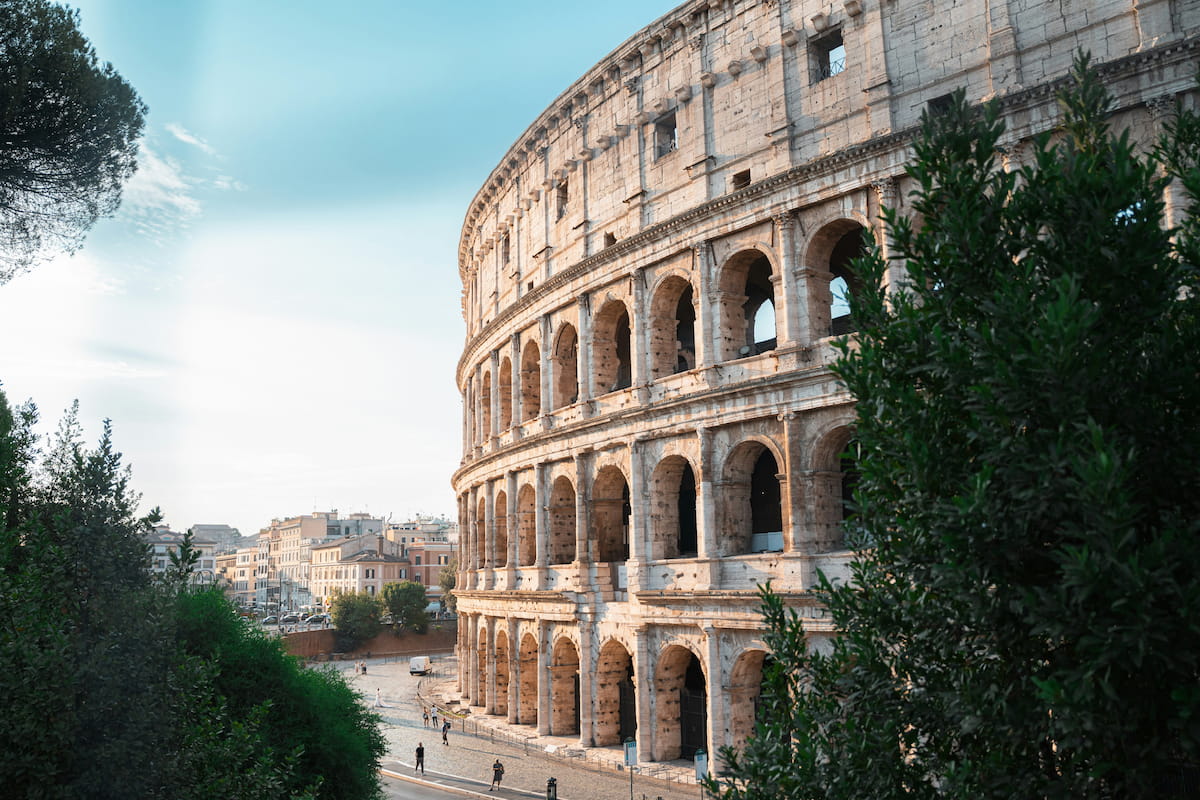
The Trevi Fountain, the Pantheon’s exterior, the Piazza Navona, and the Forum walls visible from the road: free. The Colosseum, the Vatican Museums, the Sistine Chapel, and the Borghese Gallery: ticketed and worth booking months ahead. Rome’s entire value strategy is about drawing the line between what’s free to absorb on the street and what requires planning, timing, and a pre-booked entry slot. A supply of arancini from a Roman bakery for $2 and a espresso at the counter for €1.20 make the logistics bearable. Full guide coming soon.
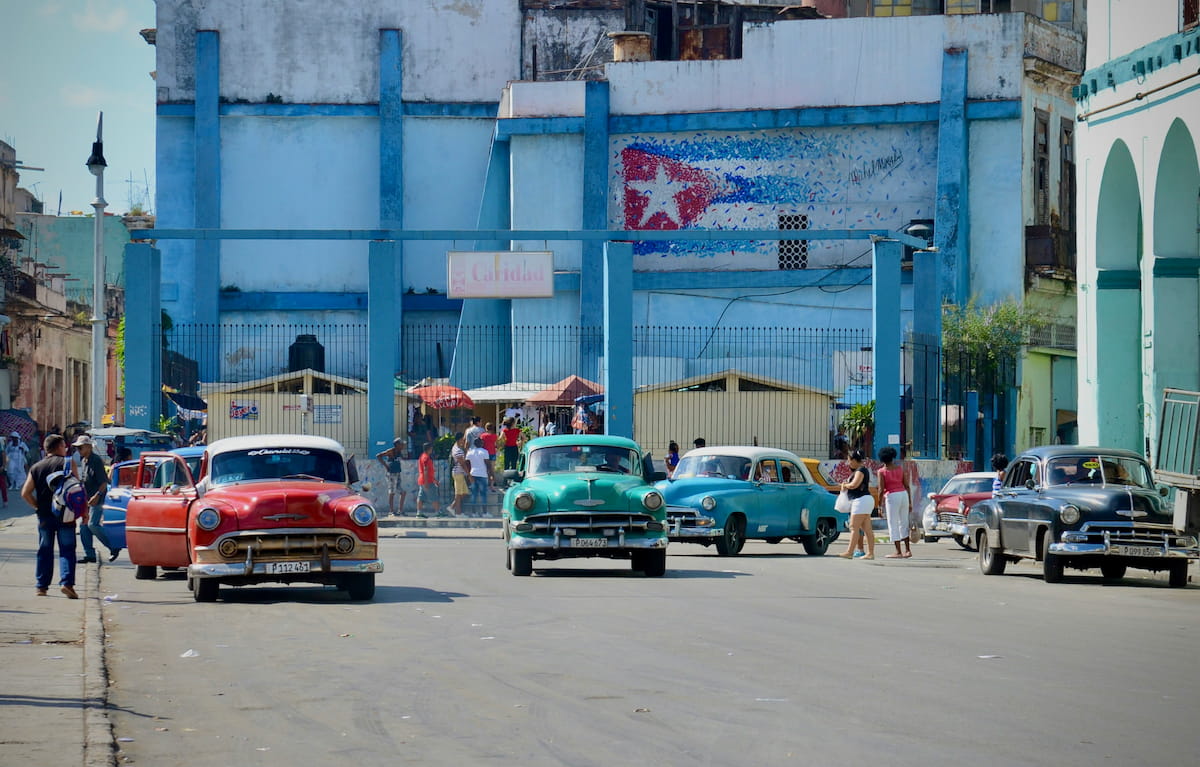
Havana’s Old Town is a UNESCO World Heritage site where 1950s American cars still do taxi duty past 18th-century Spanish colonial buildings. Son music plays from doorways every evening. The Malecón seawall runs miles along the waterfront and is Havana’s living room — free, always occupied, always something happening. Cuba’s dual-currency economy and US travel restrictions create a logistics puzzle that our guide will untangle clearly, including which entry paths work for US citizens, what accommodation actually costs, and where the peso economy and the tourist economy diverge. Full guide coming soon.
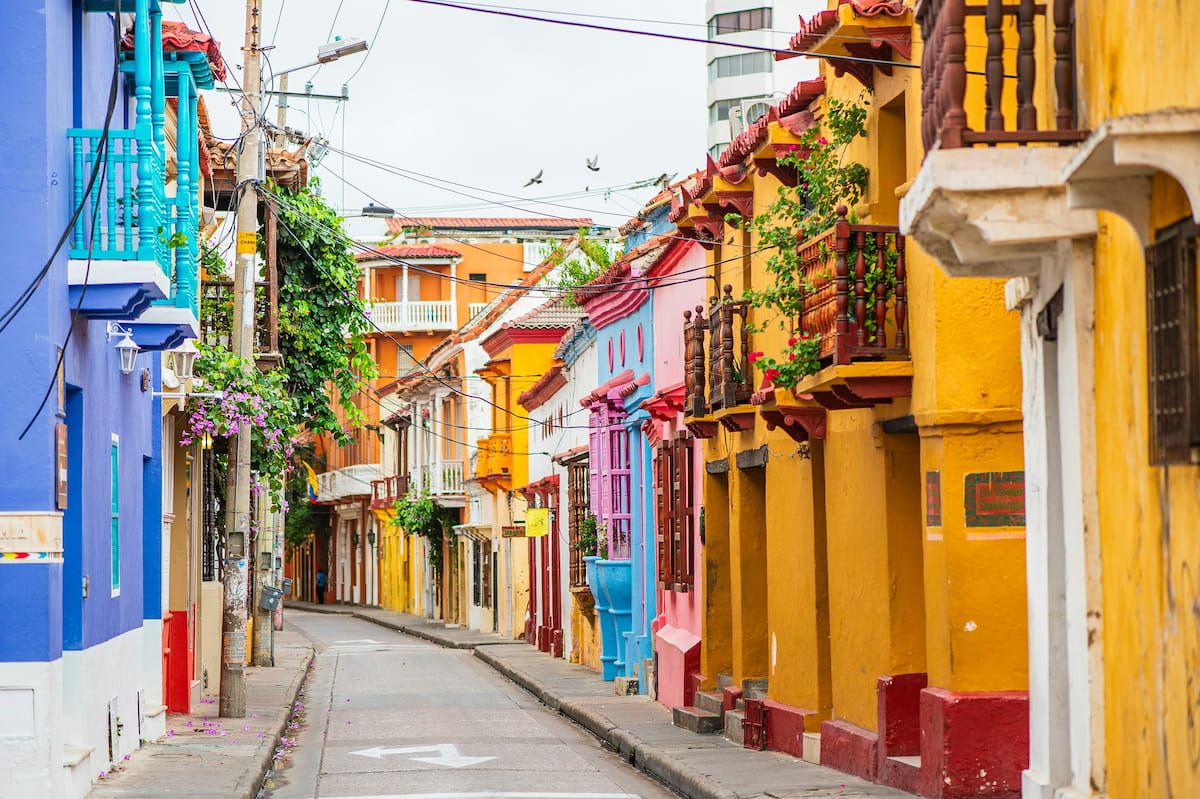
Cartagena’s walled city — the Ciudad Amurallada — is one of the best-preserved Spanish colonial settlements in the Americas. Bougainvillea cascades over balconies painted in yellow, coral, and cobalt blue. The Caribbean sits a short walk away. Arepas from a street cart cost $1. A mojito on a rooftop terrace overlooking the walls runs $5. Colombia’s combination of cultural architecture, street food, and still-reasonable prices makes Cartagena one of the most compelling emerging cultural destinations in the Americas. Full guide coming soon.
New Guides Dropping — Be the First to Know
Subscribe and we’ll send you each new destination guide when it drops — plus the budget travel cheat sheet, free.