
Oaxaca 2026: Mexico’s Most Culturally Intact City
A UNESCO World Heritage city where tlayudas cost $2, mezcal distilleries are a $30 taxi ride away, and a 2,500-year-old Zapotec capital on a mountaintop costs $10.50 to enter. Oaxaca is what happens when extraordinary culture and extraordinary affordability land in the same place.
I ate a tlayuda — corn masa the size of a dinner plate, charred on a comal, spread with black bean paste, Oaxacan string cheese, and tasajo beef — from a woman who has been making them at the same market stall for 30 years, for $2.50. Then I drank a copita of single-agave espadín mezcal from a palenque in Matatlán village for $4. Then I walked to a 16th-century Dominican monastery converted into a botanical garden. Nothing cost what it should have.
Oaxaca occupies a singular position in the travel world. It’s a UNESCO World Heritage city with one of the most sophisticated culinary traditions in the Americas — the seven moles, the chocolate, the chapulines, the cheese, the mezcal — and yet its prices bear no relationship to that reputation. The ingredients of a food-and-culture trip that would cost $300/day in Paris or Tokyo run $40–70/day here. This guide is the breakdown of what Oaxaca actually costs in 2026 — and why it’s the best value cultural destination in North America.
What’s In This Guide
📅 Best Time to Visit Oaxaca
The sweet spot: February and March — perfect weather, lowest prices, no festival crowds, and the full Oaxacan food and culture experience at its most accessible. The unmissable events: Guelaguetza (July) and Día de Muertos (November) — each requires 3–4 months advance booking but delivers experiences unavailable anywhere else on Earth. Never visit October or November without accommodation already confirmed.
Where to Stay in Oaxaca
Oaxaca’s historic centro is compact and remarkably walkable — the Zócalo, Santo Domingo church, the main markets, and most restaurants are all within a 15-minute walk of each other. Stay within 8–10 blocks of the Zócalo to be within walking distance of everything. The Jalatlaco neighborhood (5 minutes east of the Zócalo, a colonial barrio of cobblestone lanes and painted walls) has the most atmospheric boutique guesthouses and is slightly calmer than the immediate centro. Oaxaca’s boutique hotel scene is one of the best in Mexico — colonial buildings with interior courtyards, rooftop terraces, and often included breakfast at prices 50–70% below comparable quality internationally. Rates verified March 2026.
Hotel con Corazón is a social enterprise that funds local children’s education programs through hotel revenue — it consistently appears on Oaxaca best-budget lists because the value is genuine. A colonial courtyard building with clean, well-maintained rooms, an included breakfast from local ingredients, and a location three blocks from the Zócalo that puts everything within easy walking distance. The service is attentive precisely because the staff take the mission seriously. At $35–65/night it’s the clearest illustration of what Oaxaca’s budget tier actually delivers.
NaNa Vida sits in a beautifully restored colonial building in the historic center — high ceilings, hand-painted tiles, a lush garden courtyard, and a small pool that becomes the most important feature on warm April afternoons. The mid-range boutique scene in Oaxaca is unusually strong: for $90–155/night you get design quality, a genuinely beautiful building, and the kind of personalized service that only comes from 20-room properties. The included breakfast features local chocolate, fresh fruit, and dishes made from the same ingredients that define Oaxacan cuisine. Excellent reviews across all major platforms.
Casa Oaxaca is two things: a seven-room luxury boutique hotel in a restored colonial residence in Jalatlaco, and the restaurant that launched chef Alejandro Ruiz’s nationally celebrated career in Oaxacan cuisine — it appears regularly on Mexico’s 50 Best Restaurant lists. Guests receive priority reservations at the restaurant, which is genuinely meaningful. The hotel rooms are individually designed with hand-woven Zapotec textiles, a rooftop pool overlooking terracotta rooftops and the mountains beyond, and a level of quiet and personal service that the larger hotels in the city cannot match. At $220–380/night it’s remarkable value compared to what equivalent boutique luxury costs internationally.
Get Our Oaxaca Food & Market Guide
Which market for tlayudas, which mezcalería to trust, how to get to Hierve el Agua without a tour, and when to book for Día de Muertos — all in one email before you go.
15 Best Oaxaca Experiences
Oaxaca’s experiences split along a distinctive fault line: the city center itself is an extraordinary free environment — the Zócalo, Santo Domingo, the markets, the artisan streets, the mezcalerías — and could fill three days without spending anything significant on entry. The paid tier layers in Monte Albán (one of the great archaeological sites in the Americas), Hierve el Agua (a natural wonder that costs $2.50 to enter), and the Ethnobotanical Garden. The Signature tier is where Oaxaca most exceeds expectations: the mezcal distillery circuit, the cooking class centered on the seven moles, and — if your dates allow — Guelaguetza or Día de Muertos, two of the most extraordinary cultural events anywhere on Earth.
Oaxaca’s main square is the social center of the city — a tree-shaded plaza where locals eat lunch, children play, and couples walk in the evenings, surrounded by colonial arcades that have housed cafés and government buildings for four centuries. Two blocks north, the Templo de Santo Domingo de Guzmán is one of the most extraordinary Baroque churches in the Americas: the interior is smothered in gilded plasterwork, the façade glows gold in the late afternoon sun, and the adjacent Museo de las Culturas de Oaxaca (small entrance fee) holds the treasure of Tomb 7 from Monte Albán. The walk between the Zócalo and Santo Domingo along the Andador de Macedonia Alcalá is Oaxaca’s main pedestrian corridor — craft galleries, mezcalerías, and chocolate shops line both sides.
💡 Santo Domingo is free to enter for services and for general visiting during open hours — you do not need to pay the museum fee to see the church itself. The best exterior light is late afternoon (4–6pm) when the golden façade glows against a darkening sky. The Andador is most lively on weekend evenings when live music sets up near the Zócalo.
Two adjacent markets one block south of the Zócalo form the commercial and culinary heart of Oaxacan daily life. Mercado Benito Juárez sells fresh produce, herbs, cheeses, mole pastes, chocolate, and artisan goods in a labyrinthine covered space — this is where locals shop, and the price difference between here and tourist-facing shops is significant. Mercado 20 de Noviembre directly across the alley is famous for the Pasillo de Humo (Smoke Corridor) — a row of market stalls where vendors grill tasajo, cecina, and chorizo over charcoal, billowing fragrant smoke into the air. A full lunch here of grilled meat, tlayuda, and agua fresca runs $5–8/person.
💡 Go to the Pasillo de Humo at midday Tuesday through Sunday — the market has reduced stalls on Mondays. Point at the meats you want, they’ll grill them in front of you; ask the vendor next to them for tortillas, beans, and salsa to complete the meal. The price of the grilled meat plus tortillas and sides will be around $6–8/person including agua fresca.
Jalatlaco is a quiet residential barrio five minutes east of the Zócalo — cobblestone lanes, brightly painted colonial houses, bougainvillea spilling over doorways, and an atmosphere that feels like the city before tourism arrived. It’s Oaxaca’s most photogenic neighborhood and also home to some of the city’s best boutique hotels and small restaurants. There is nothing specifically to do — just walk, photograph, and appreciate a 16th-century urban neighborhood that has maintained its character while the world has discovered Oaxaca around it.
💡 Walk Jalatlaco on a weekday morning (9–11am) when the light is at its best and the streets are quiet. The Café de Olla on Calle Constitución serves excellent coffee brewed with cinnamon and piloncillo in the traditional Oaxacan style — a $2.50 cup in a beautiful colonial room.
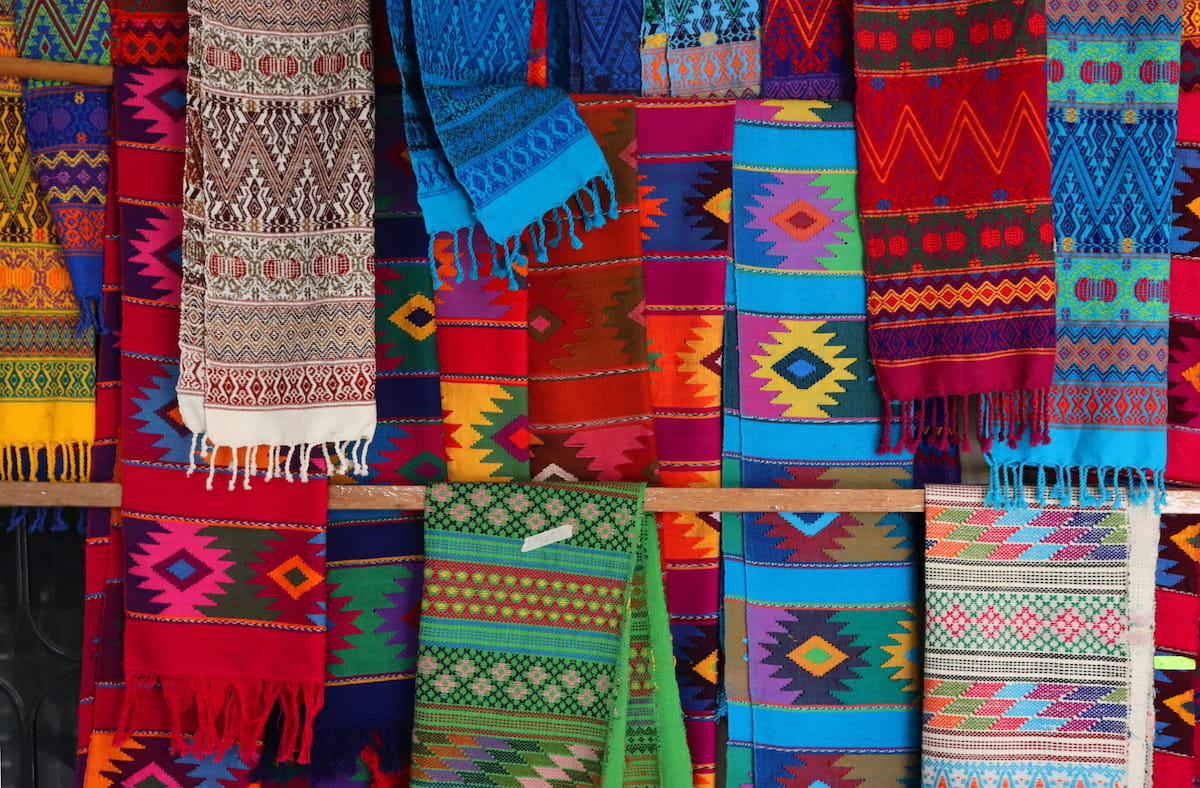
Oaxaca produces some of Mexico’s finest crafts — hand-woven Zapotec rugs from Teotitlán del Valle, black clay pottery from San Bartolo Coyotepec, carved wooden alebrijes from Arrazola, and embroidered textiles from San Antonino. The Calle Alcalá galleries and the Mercado de Artesanías have good selections at fair prices, but the best value (and experience) comes from visiting the villages directly — a 30-minute taxi or colectivo ride from the city. Browsing is completely free; buying puts money directly in artisan hands at prices 30–50% below city gallery prices.
💡 Teotitlán del Valle (rugs) and San Bartolo Coyotepec (black clay) are the easiest villages to visit independently — both have clear signage for workshops and welcome visitors. The drive through the Central Valley on the way is beautiful. Colectivo taxis from the second-class bus terminal run regularly and cost $2–3 each way.
Oaxaca’s mezcal bar scene is the most concentrated and authentic in the world. Within a few blocks of the Zócalo, a dozen mezcalerías serve single-agave mezcals from small producers — espadín, tobalá, tepextate, arroqueño — at prices that reflect their position at the source rather than at the end of an international supply chain. A 1–2 oz copita of quality mezcal runs $4–6. The standard accompaniments — orange slice, sal de gusano (worm salt), and chapulines — are typically included. Serious mezcal exploration in Oaxaca means finding out what these spirits actually taste like when the distance between distillation and your glass is 30 miles, not 3,000.
💡 In Situ mezcalería on Calle Morelos has over 40 Oaxacan mezcals from small producers and the most knowledgeable staff in the city — a copita from a wild agave like tepeztate or tobalá runs $8–12 but is a revelatory experience. For something more casual, La Mezcalerita near the Zócalo has a relaxed atmosphere and fair prices.
Oaxaca is the birthplace of the seven canonical moles — negro, coloradito, rojo, amarillo, verde, chichilo, and manchamanteles — each requiring dozens of ingredients and hours of preparation, each with a distinct flavor profile, color, and cultural context. Building your own self-guided mole tasting over several days is one of the defining Oaxacan experiences: negro mole at a market fonda ($5–8), coloradito at a mid-range restaurant ($12–15), mole negro enchiladas at a traditional spot like Las Quince Letras ($10–14). The same dish costs $40+ at equivalent quality restaurants in Mexico City or New York. You’re eating at the source.
💡 The market fondas in Mercado 20 de Noviembre serve the most traditional moles at the lowest prices — point at the prepared sauces and ask what they’re served with. Restaurant Itanoni on Calle Belisario Domínguez specializes in traditional corn-based dishes and is one of the best introductions to the breadth of Oaxacan food beyond mole.
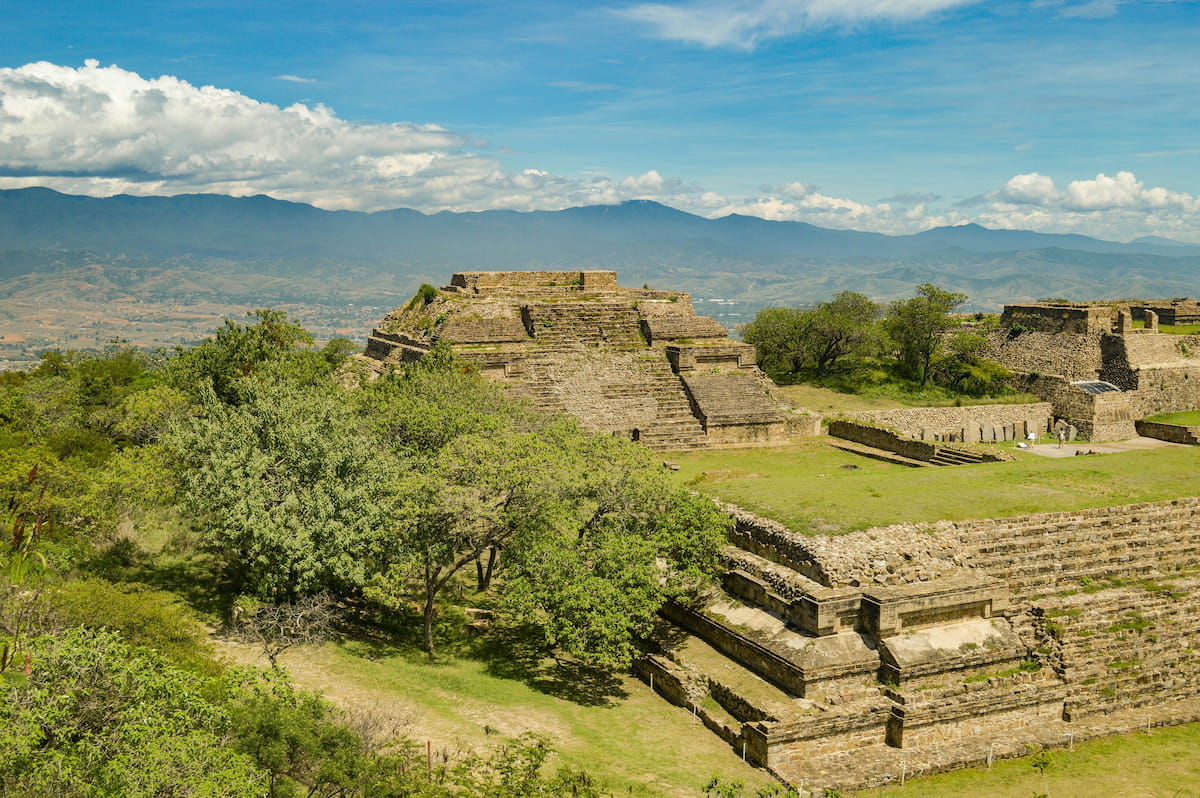
Monte Albán was the capital of the Zapotec civilization for over 1,300 years — founded around 500 BC, abandoned around 850 AD, and still unexplained in the fullness of its story. Perched 1,300 feet above the floor of the Oaxaca Valley on a mountaintop that was artificially flattened, the site commands 360-degree views across three valleys while the Gran Plaza — one of the great open spaces of Mesoamerica — stretches nearly the length of a kilometer between its North and South Platforms. The carved stone Danzantes, the Observatory building aligned with the stars, and the 170 excavated tombs all speak to a civilization of extraordinary sophistication. At $10.50/adult (210 MXN — the INAH doubled fees at all archaeological sites effective January 1, 2026), it remains one of the great archaeological bargains in the world.
💡 The official shuttle bus departs from Hotel Rivera del Ángel on Calle Mina near the Zócalo hourly from 8:30am and returns from the site hourly — total round trip around $7/person. Arrive at opening (9am) to avoid the afternoon heat and tour bus crowds. Bring water and sun protection — Monte Albán has almost no shade. Allow at least 2.5–3 hours to do it properly.
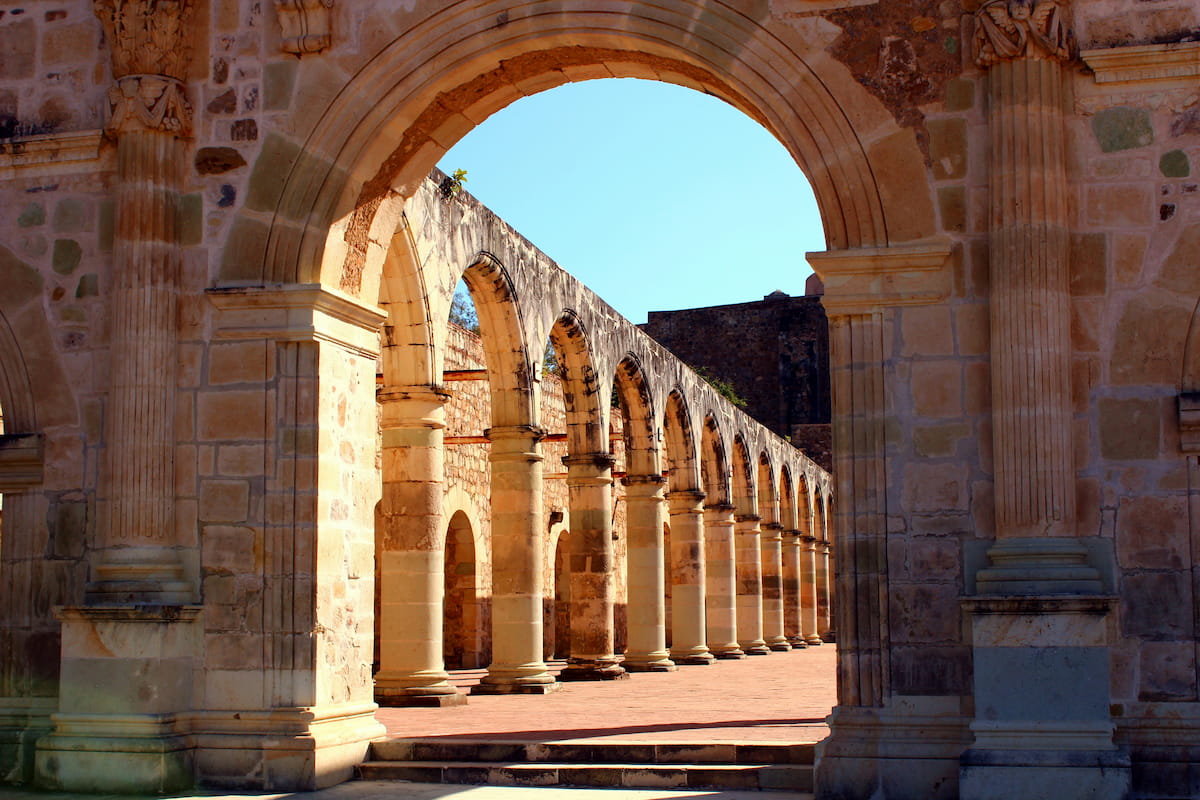
The Ethnobotanical Garden occupies the former Dominican monastery courtyard adjacent to Santo Domingo — a vast enclosed space that has been planted with over 1,000 species of plants native to Oaxaca state, organized by the cultural relationships between Zapotec and Mixtec communities and the plants they cultivated. The garden is only accessible through guided tours, which run in English at 11am daily and in Spanish at 10am. The guides are genuinely excellent and turn what sounds like a botanical garden into a cultural and historical narrative about the relationship between Oaxacan people and their landscape. One of the most underrated experiences in the city.
💡 The English tour at 11am fills quickly in peak season — arrive 10–15 minutes early to secure a spot. There is no advance booking; payment is at the entrance. The tour takes about 90 minutes and covers the garden’s layout, the history of the Dominican monastery, and the cultural significance of specific plants including the black clay used in Oaxacan pottery and the agave species used in mezcal production.
Hierve el Agua is one of only two petrified waterfalls in the world — mineral-rich springs have deposited calcium carbonate over the cliff edge for thousands of years, creating formations that look exactly like frozen cascading water, white and dramatic against the green Sierra Mixe mountains. At the top, natural mineral pools sit at the cliff’s edge with views across the Oaxaca Valley that rival anything in the country. Entry is $2.50/person (50 MXN — community-managed, not subject to the INAH fee increase). The most common approach is a day tour from Oaxaca City that combines Hierve el Agua with Mitla ruins and a mezcal distillery — typically $25–45/person with transport and guides included.
💡 The DIY route (bus to Mitla, then shared pickup truck to the site) costs about $8 total round trip but involves waiting time and requires some navigational comfort. The pools are best November–April when they’re full; during heavy rains the road can become difficult. Bring a swimsuit — swimming in the natural pools with the valley view is genuinely extraordinary.
While Monte Albán gets the majority of visitors, Mitla (45km east of Oaxaca) was the second-most important Zapotec center — and its architecture is in some ways more remarkable. The stone mosaic friezes covering the Palace of the Columns are among the most intricate geometric designs in Mesoamerican architecture: thousands of precisely cut stone pieces fitted together without mortar into patterns that have no parallel anywhere in the pre-Hispanic world. The site is far less crowded than Monte Albán and takes about 1.5 hours to explore. It’s most efficiently visited as part of a combined day trip with Hierve el Agua (45 minutes further east) and the El Tule tree (20 minutes west of Mitla).
💡 The town of Mitla surrounding the ruins has excellent mezcal vendors — this is the Valle de Matatlán, the self-proclaimed “World Capital of Mezcal,” and the small roadside stands sell artisanal mezcal at producer prices. Colectivo taxis to Mitla depart from near the second-class bus terminal for about $2–3/person one way.
Oaxaca produces some of Mexico’s finest chocolate — a different tradition from European chocolate, prepared with cinnamon, almonds, and sugar, ground on volcanic stone and used to make hot chocolate and mole negro. The two most famous chocolatiers, La Soledad and Mayordomo, operate grinding facilities directly in the Mercado 20 de Noviembre where you can watch the process, taste samples, and buy freshly ground paste to make at home. It’s completely free to watch and the $4–8 you’ll spend on chocolate is some of the most rewarding money spent in Oaxaca. Asking them to grind custom proportions for you (more cinnamon, less sugar) is standard practice.
💡 Have them grind a 500g tablet to your specifications — choose the proportion of chocolate, cinnamon, almonds, and sugar, and they’ll run it through the stone grinder while you watch. Take it home in your luggage (it’s shelf-stable); it makes exceptional hot chocolate and genuinely good gifts. Mayordomo has the longer history; La Soledad’s chocolate is often described as slightly finer. Try both.
The state museum occupying the former Dominican monastery adjacent to Santo Domingo holds one of the greatest archaeological treasures in the Americas: the contents of Monte Albán’s Tomb 7 — gold jewelry, jade, turquoise, obsidian, and carved bone objects found in 1932 and representing the pinnacle of Mixtec goldsmithing. Alongside the Tomb 7 collection, the museum presents Oaxacan history from pre-Columbian times through the colonial period with exceptional depth. The building itself — a 16th-century Dominican convent — is extraordinary. Allow 1.5–2 hours for the full collection.
💡 The Tomb 7 gold collection on the upper floor is the unmissable highlight — give it an hour and take your time with each piece. The museum is often less crowded in the afternoon after the morning tour groups have moved on. The monastery cloister visible from the museum corridors is one of the most beautiful spaces in Oaxaca.
The municipality of Matatlán, 45km east of Oaxaca on the road to Mitla, produces around 40% of Mexico’s mezcal and contains dozens of family-run palenques (small distilleries) where mezcal is still made using methods unchanged for generations: roasting the agave hearts in earthen pits, crushing them with a stone wheel pulled by a horse, fermenting in open wooden vats, and distilling twice in clay or copper stills. Guided distillery tours include tastings of 6–10 mezcals from small producers, explanations of the different agave varieties and production methods, and the chance to buy bottles at production prices. It’s the closest you can get to understanding mezcal as a living agricultural tradition rather than a product on a bar shelf.
💡 Mal de Amor distillery near Matatlán is highly regarded for tours — they grow their own agave on adjacent fields, which is increasingly rare. Tours with transport from Oaxaca City run $30–50/person including tastings. If organizing independently, a taxi to Matatlán for a half-day costs $25–35 round trip. Buy mezcal at producer prices to take home — a quality bottle runs $15–30 versus $60+ internationally.
A half-day Oaxacan cooking class typically begins with a market tour through Mercado Benito Juárez — identifying the dried chiles, herbs, and mole pastes that define the cuisine — and then moves to the kitchen to make three or four dishes from scratch: typically a mole (negro or coloradito), a tlayuda, a soup, and a dessert, finishing with the meal you’ve prepared. The technique for building a mole from dried chiles, spices, and chocolate over 90 minutes of cooking is both genuinely educational and genuinely delicious. At $55–85/person, it’s more than a market meal but delivers cooking skills and cultural context that the meal alone doesn’t.
💡 Seasons of My Heart (run by food writer Susana Trilling) is the most established school in Oaxaca and runs full-day classes from her ranch in the Central Valley. Casa Crespo in the city center is excellent for shorter half-day programs. Book at least a week ahead — both fill quickly. Classes are conducted in English and Spanish.
Oaxaca hosts two of the most extraordinary cultural events in the Americas. The Guelaguetza — typically held the third and fourth Mondays of July — is a two-day festival in which indigenous communities from all eight regions of Oaxaca state perform traditional dances, music, and ceremonies in the Cerro del Fortín amphitheater; free general admission is available (paid grandstand seating from $25). The mezcal fair, food festivals, and parades in surrounding weeks are free. Día de Muertos (Nov 1–2) centers on the cemetery vigils in San Antonino Castillo Velasco and Xoxocotlán, where families spend the night beside the graves of relatives, surrounded by marigold carpets and candlelight — free to attend respectfully. Either event justifies building a trip around it.
💡 Guelaguetza free general admission (gradas) sells out fast — arrive 2 hours before the Monday performance starts. For Día de Muertos, the Xoxocotlán cemetery vigil (20 minutes by taxi from Oaxaca) is the most accessible for visitors; go after 9pm and dress respectfully. Book accommodation 3–4 months ahead for both events — Oaxaca fills completely and prices spike.
Worth It / Skip It
Don’t Make These Mistakes
Visiting Oaxaca for only 2–3 days. The city and its immediate surroundings — Monte Albán, Hierve el Agua, Mitla, the mezcal villages, and the artisan communities of the Central Valley — require a minimum of 5 days to experience without rushing. Most visitors who “didn’t love Oaxaca” spent fewer than three days. The food scene alone takes two days to explore properly. Five to seven nights is the right amount; a week is not too much.
Arriving for Día de Muertos or Guelaguetza without accommodation booked. These two events — Guelaguetza (July) and Día de Muertos (Nov 1–2) — fill Oaxaca’s hotels completely, often months in advance. Walk-up accommodation during these events is essentially impossible. Every year travelers arrive without bookings and spend hours searching for any available room. Both events are worth planning a trip around; neither is worth experiencing while stressed about where you’ll sleep.
Taking unofficial street taxis. Like most Mexican cities, Oaxaca has a clear distinction between safe authorized taxis (sitio taxis with licensing plates and fixed zone rates) and unofficial street hails that have a history of overcharging tourists. Within the centro histórico, taxis operate at a fixed rate of approximately $4 per ride — agree on the price before getting in, or use Uber/DiDi (both operate in Oaxaca City) for transparent pricing. Airport colectivos (authorized shuttle taxis) are clearly marked at the terminal and cost about $8/person to the centro.
Skipping the Central Valley villages in favor of staying in the city. The villages within 30–60km of Oaxaca City — Teotitlán del Valle (rugs), San Bartolo Coyotepec (black clay), Arrazola (alebrijes), Matatlán (mezcal), Mitla (ruins) — are as much a part of Oaxaca’s identity as the city itself, and visiting them directly connects you with the artisans and traditions that fill the city’s galleries and restaurants. The combined day trip to Mitla, Hierve el Agua, and a mezcal stop delivers more concentrated Oaxacan experience than a full day in the city.
VacayValue Scorecard — Oaxaca
Packing List — Oaxaca
Your Oaxaca Playbook, Pre-Built
The shuttle times to Monte Albán, the market where the best tlayudas are served, the mezcal distillery worth the detour, and how to book for Día de Muertos before it sells out — one email before you go.
Oaxaca Is the Best Food and Culture Destination in North America — and It’s Still Underpriced
The number combination is almost embarrassing when you lay it out: boutique colonial hotels for $75–140/night. A 2,500-year-old UNESCO archaeological site for $10.50. Petrified waterfalls for $2.50. Tlayudas for $2 at the same market stall that’s been making them for generations. Mezcal from small producers at producer prices. And a culinary tradition — the seven moles, the chocolate, the grasshoppers, the cheese — that UNESCO recognized as Intangible Cultural Heritage, eating itself for $5–15 per meal depending on where you sit down.
The flight score is the one drag on an otherwise perfect value picture. Unlike Mexico City, Oaxaca only has direct US connections from Houston and Dallas. Everyone else connects, which adds cost and time. If you’re flying from New York, Boston, or Chicago, budget $450–600 for economy tickets rather than the $250–350 that Mexico City commands. It’s worth it — the flight is the investment that unlocks the experience, and Oaxaca’s on-the-ground costs are so low that you recoup the premium quickly.
The 3.5 flight score reflects the reality of getting there from most US cities. The 5.0s across the board for accommodation, food, activities, and experience quality reflect the reality of what’s waiting when you arrive. Oaxaca has been on every travel writer’s “secret best destination” list for twenty years and has never become mainstream in the way that destination deserves. The people who discover it keep coming back. There’s a reason for that.