
The World’s Best Adventure Destinations — Ranked by Value
$35 park entry at Zion. Tea houses at 15,000 feet in Nepal for under $15 a night. Free trails threading through the most concentrated geological drama on earth. The world’s most extraordinary adventure destinations — with honest cost breakdowns so you know exactly what each one costs before you go.
What Makes a Great Value Adventure Destination?
The best adventure experiences in the world are disproportionately affordable — because the thing you came for is the landscape itself, and landscapes don’t charge admission. What varies is everything around it: permits, guides, gear rental, and where you sleep. We score every destination on the full picture.
Adventure travel has a pricing paradox: the most dramatic experiences are often the most affordable, while the most packaged and marketed ones charge premium prices for access to scenery that’s technically free. Walking The Narrows at Zion costs $35 for seven days of park access — the same price as a single cocktail at a Tulum beach club. Trekking to Everest Base Camp in Nepal averages $30/day including a bed and three meals. The gear, the transport, and the accommodation are where the real cost decisions happen — and our guides tell you exactly where to spend and where to save.
The Adventure Travel Rankings
Ranked by VacayValue Score. Every guide includes verified costs, honest accommodation picks, and our take on what’s genuinely worth doing — and what to skip.
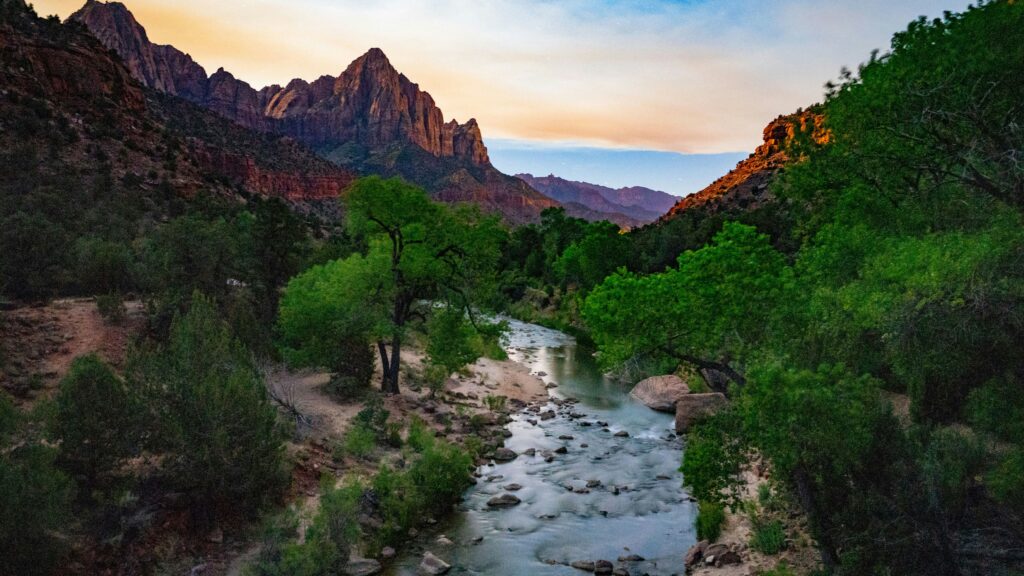
$35 buys seven days of access to The Narrows, Angels Landing, Kolob Canyons, and some of the most concentrated geological drama on earth. The free canyon shuttle eliminates parking stress. The Angels Landing permit is $6. The Narrows — walking knee-deep up a Virgin River slot canyon with 2,000-foot walls on either side — is one of the great underpriced experiences in American travel. 2.5 hours from Las Vegas.
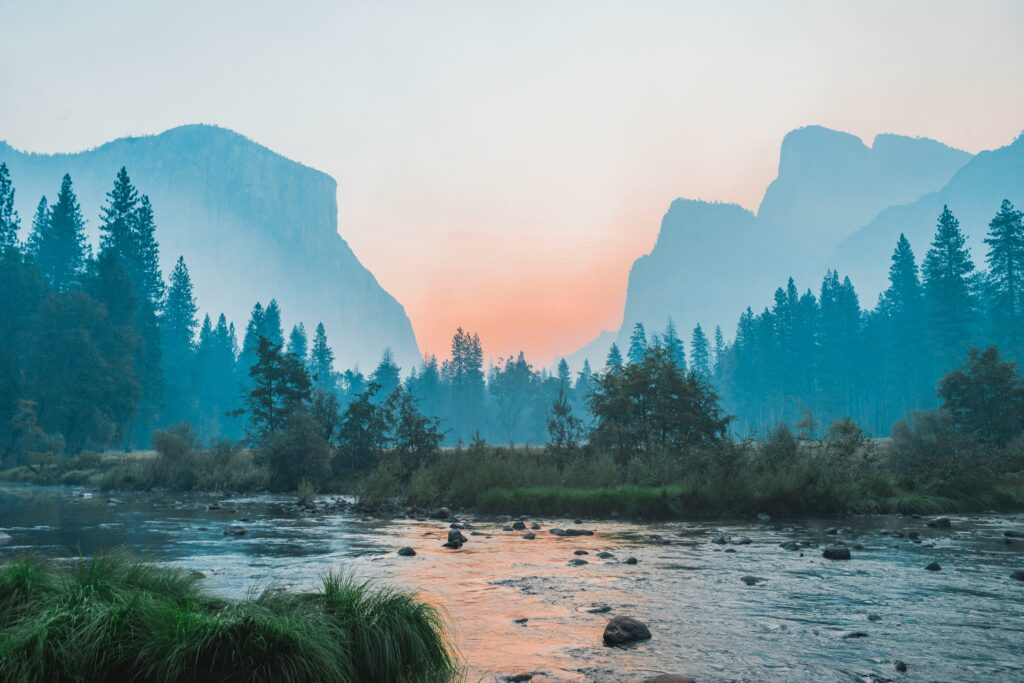
Half Dome. El Capitan. Yosemite Falls. Mirror Lake. The valley floor at dawn before the crowds arrive. Yosemite is one of the most photographed places on earth for good reason — and $35 gets you seven days of access to all of it. The catch is logistics: timed entry reservations, Half Dome permits via lottery, and accommodation that books out months ahead. Our guide tells you exactly how to navigate all of it.
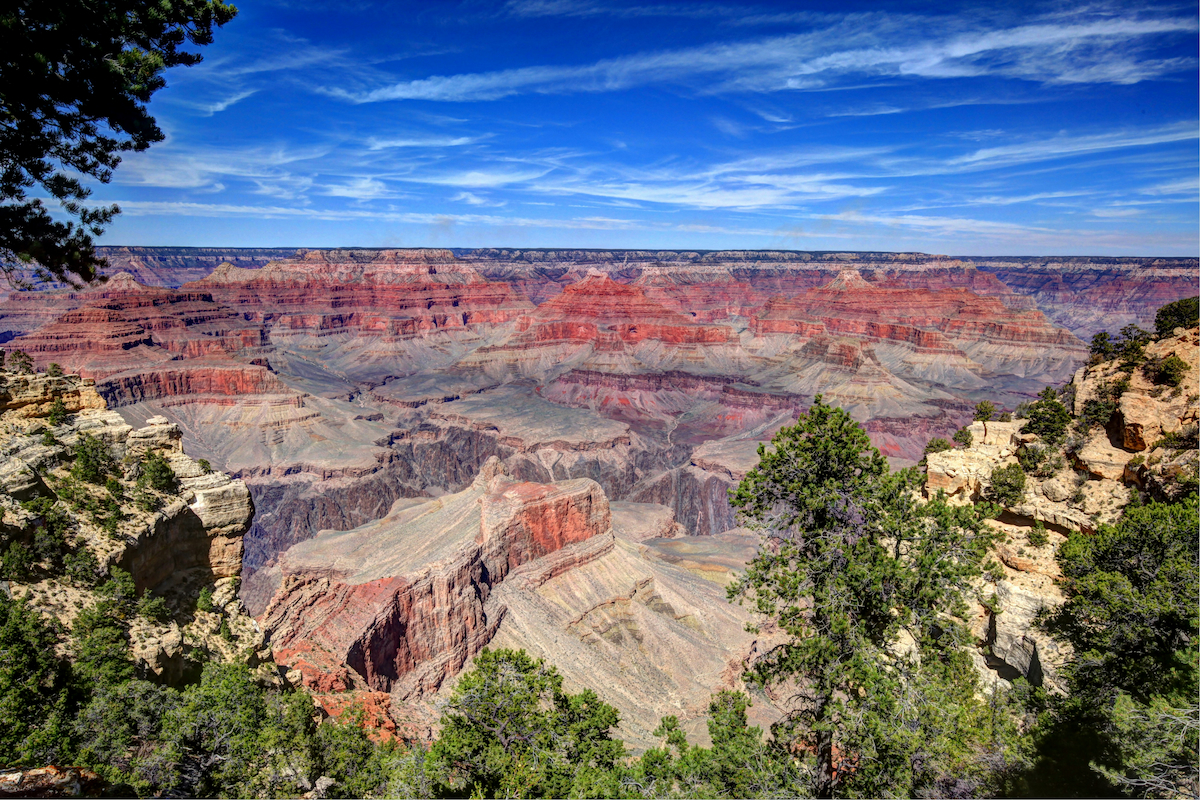
The Grand Canyon is the most visually overwhelming landscape in North America, and $35 gets you seven days on both rims. The South Rim is open year-round and accessible in a day from Phoenix or Las Vegas. Bright Angel Trail descends 4,380 feet to the Colorado River — one of the most punishing hikes in the national park system, where the challenge is always the climb back up. Phantom Ranch at the canyon floor requires a lottery months in advance. The North Rim offers genuine solitude and closes November through May.
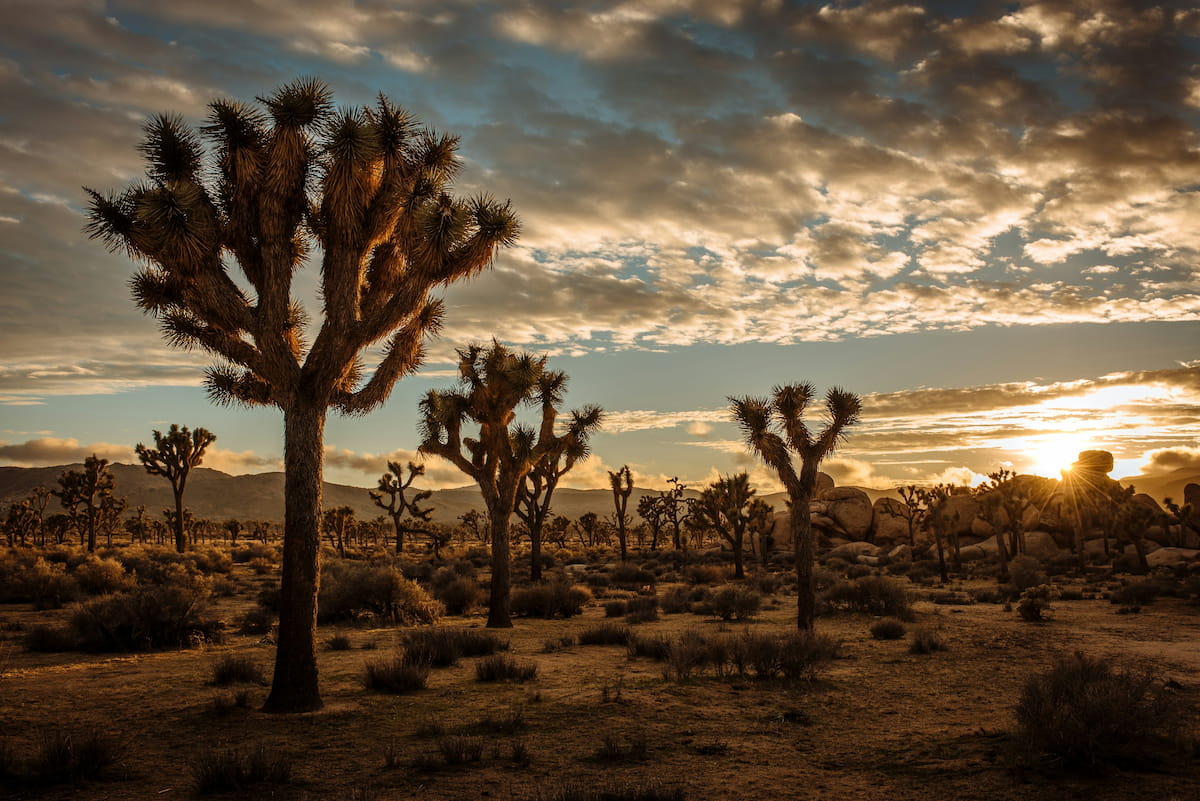
Joshua Tree sits at the collision of the Mojave and Colorado Deserts, where massive granite boulder formations and the park’s iconic spiky namesake trees create a landscape unlike anything else in the national park system. Over 8,000 climbing routes make it one of the premier rock climbing destinations in North America, drawing beginners and experts in equal measure. The park holds an International Dark Sky designation — on a clear night, the Milky Way is visible with the naked eye and no equipment. Two and a half hours from Los Angeles; under an hour from Palm Springs.
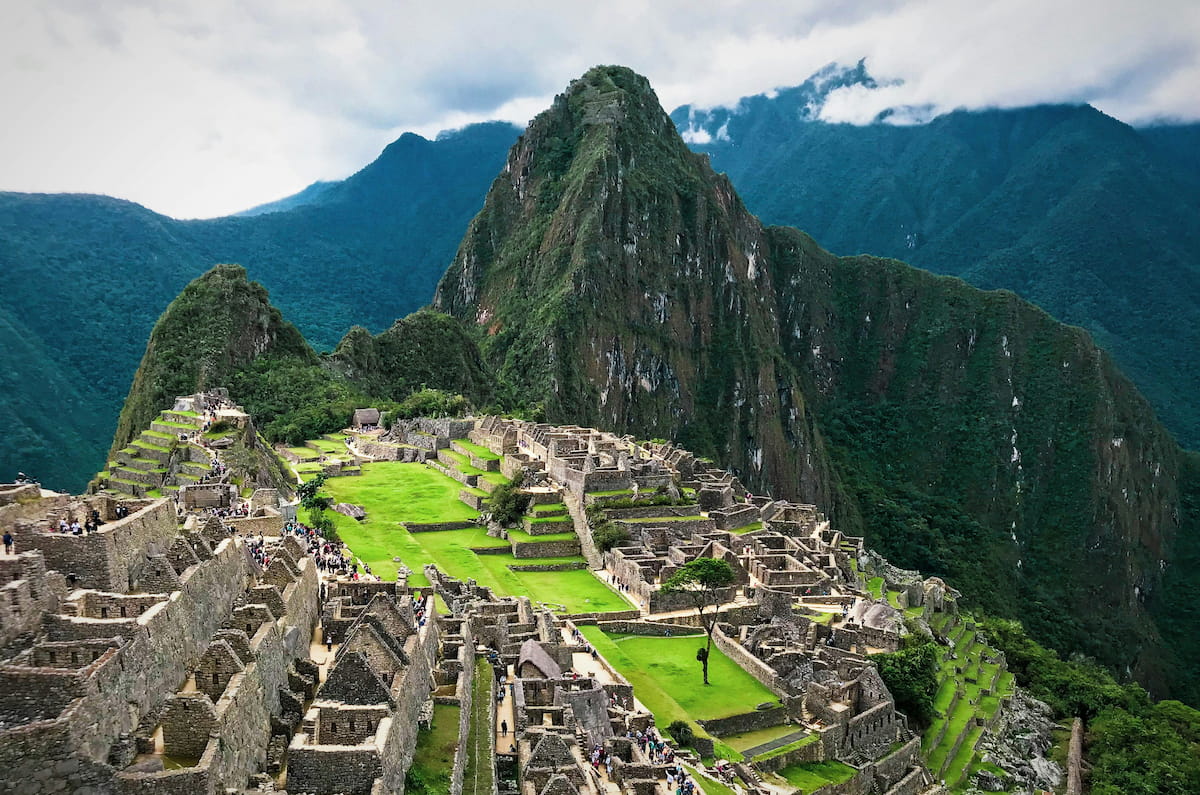
Machu Picchu is one of the most visited archaeological sites on earth because nothing else looks like it — a 15th-century Inca city perched on a mountain ridge at 7,972 feet, cloud forest on three sides, and the Urubamba River far below. The experience ranges from taking a 15-minute train from Aguas Calientes to completing the four-day Inca Trail, a guided trek limited to 500 people per day that requires permits booked months in advance. Huayna Picchu mountain, rising dramatically behind the ruins, offers the classic postcard view. Plan two days at altitude in Cusco before any serious hiking.
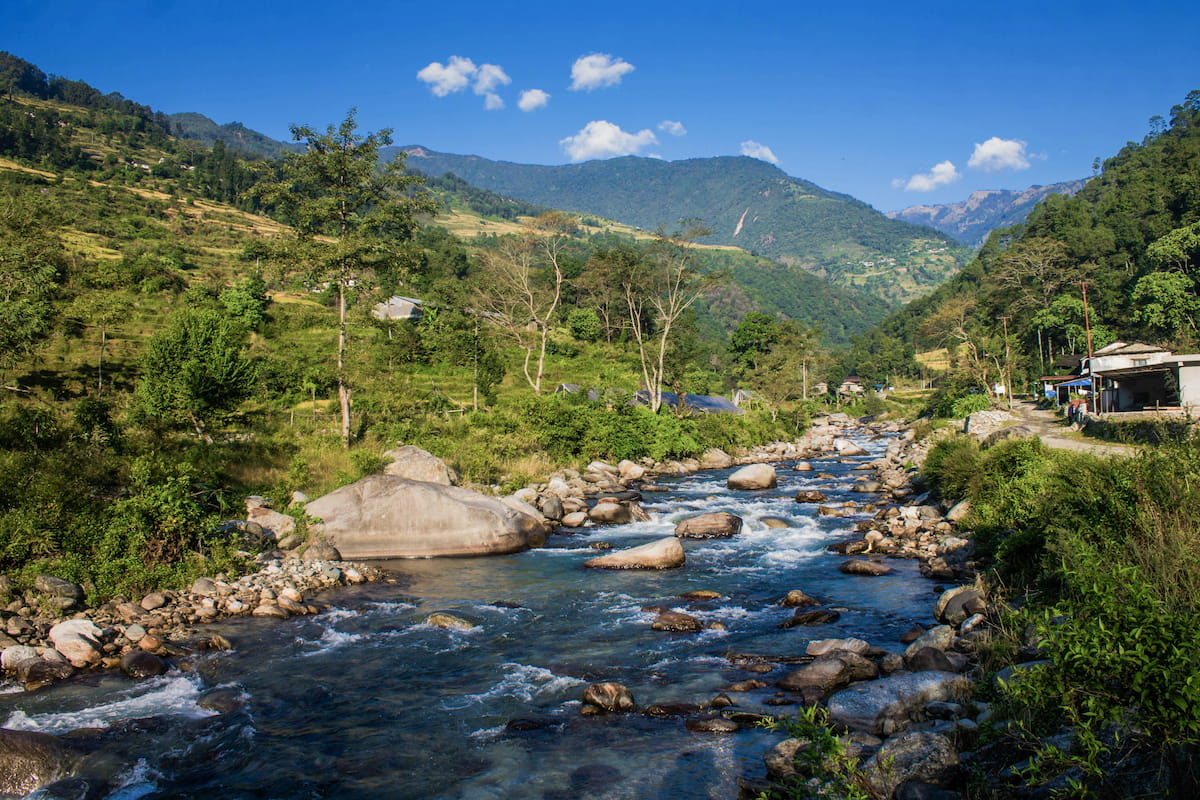
Nepal is where serious trekkers come — a country where you can sleep in family-run tea houses at 15,000 feet, watch sunrise turn the Himalayan peaks pink from your window, and follow routes first walked by Edmund Hillary and Tenzing Norgay. Everest Base Camp is the benchmark: 12–14 days round-trip from Lukla, sleeping in tea houses that run $5–$15 a night with dal bhat under $10 per meal. The Annapurna Circuit crosses Thorong La pass at 17,769 feet and takes 12–21 days. Trekking permits total around $20–$50. The largest concentration of 8,000-meter peaks on earth is free to stand in front of.
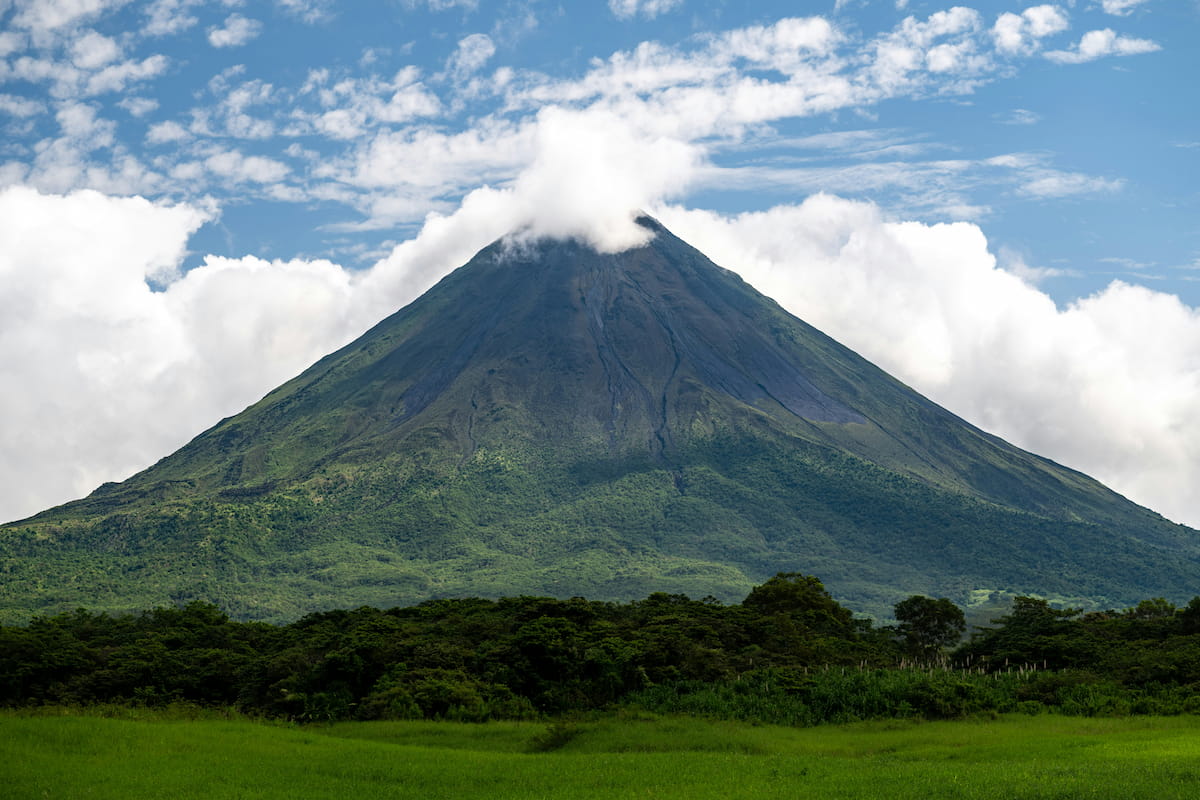
Costa Rica packs more adventure variety per square mile than almost anywhere on earth — an active volcano you can hike, zip-line canopy tours above cloud forest, class IV–V whitewater on the Pacuare River, and wildlife encounters with sloths, toucans, and sea turtles built into almost every trail. Arenal Volcano and La Fortuna make the most logical base for multi-activity itineraries. The adventure infrastructure is mature, safety standards are high, and the country’s biodiversity means even a walk from your lodge to a restaurant can turn into a wildlife sighting.
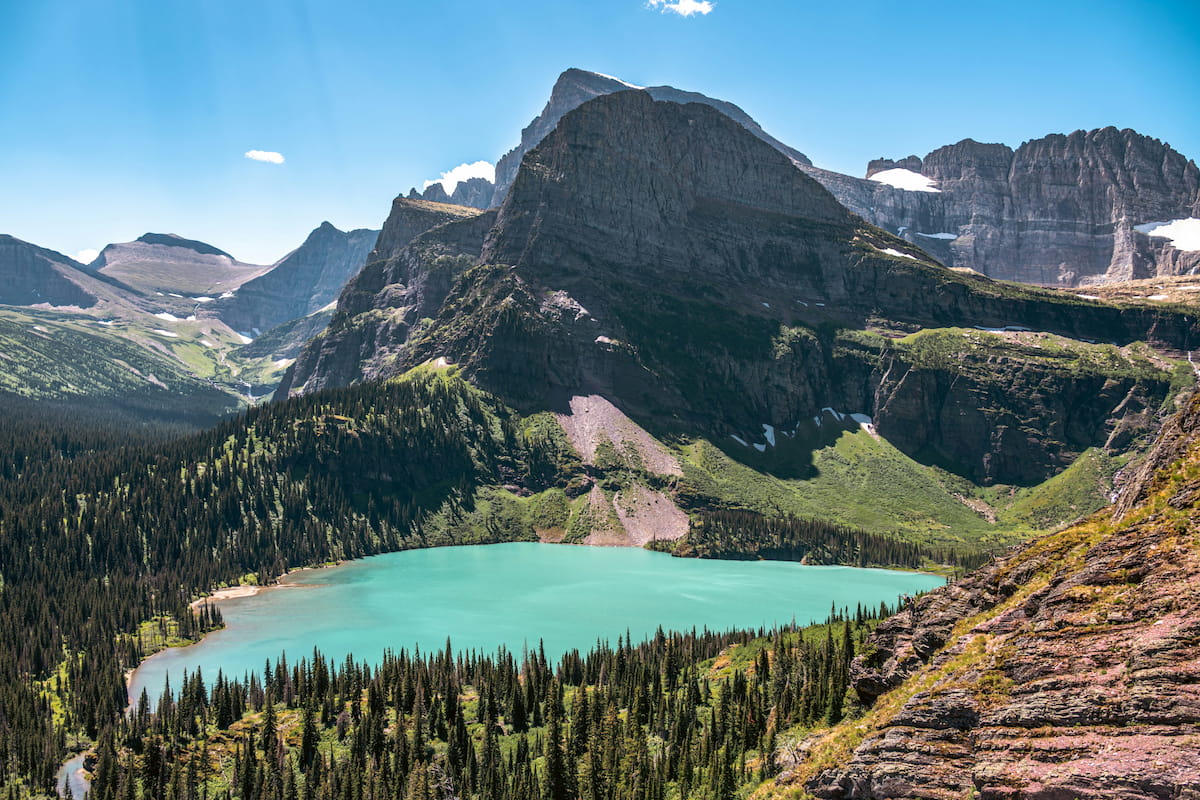
Glacier National Park in northwest Montana holds the most dramatic mountain scenery in the continental US outside of Alaska — 700+ miles of trails, 175 named peaks, 200 lakes, and the Going-to-the-Sun Road, a 50-mile engineering marvel that crosses the Continental Divide at Logan Pass. The Highline Trail from Logan Pass is one of the great full-day hikes in North America. Grinnell Glacier rewards a long approach with a glacial lake reward at the end. Vehicle reservations for Going-to-the-Sun Road are required from late May through early September — book months ahead or arrive before 6am.
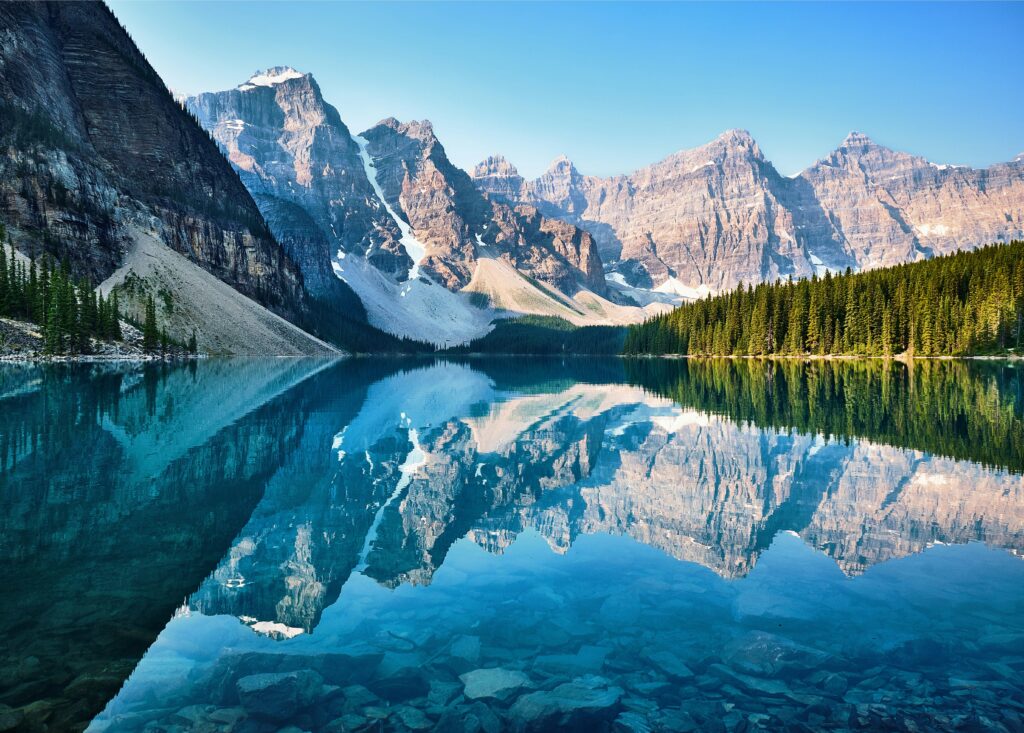
Banff National Park sits in the Canadian Rockies with turquoise glacial lakes, icefields accessible by road, and a trail network covering everything from two-hour valley walks to multi-day backcountry traverses. Lake Louise and Moraine Lake are among the most photographed landscapes in North America — and the crowds to match. A Parks Canada Discovery Pass covers entry to all national parks for a year. The Icefields Parkway between Banff and Jasper is arguably the finest scenic drive in the world: 144 miles of glaciers, waterfalls, and mountain vistas with nowhere disappointing to stop.
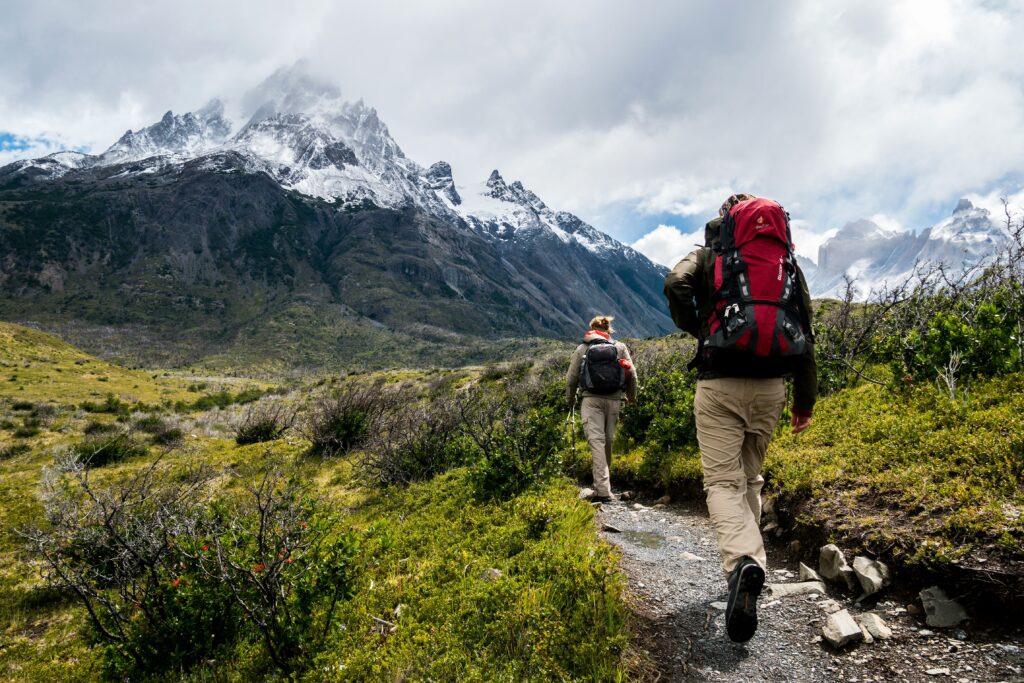
Patagonia sits at the southern tip of South America where the Andes meet the Southern Ocean — granite towers, calving glaciers, turquoise fjords, and pampas stretching to the horizon. The W Trek in Torres del Paine is one of the great multi-day hikes on earth: five days of trail connecting the park’s iconic landmarks, sleeping in refugios and campsites booked months ahead. Perito Moreno Glacier in Argentina lets you walk on an active, advancing glacier with a guide — one of the few places on earth where this is possible. The logistics are complex and the flights are expensive; the landscape is worth both.
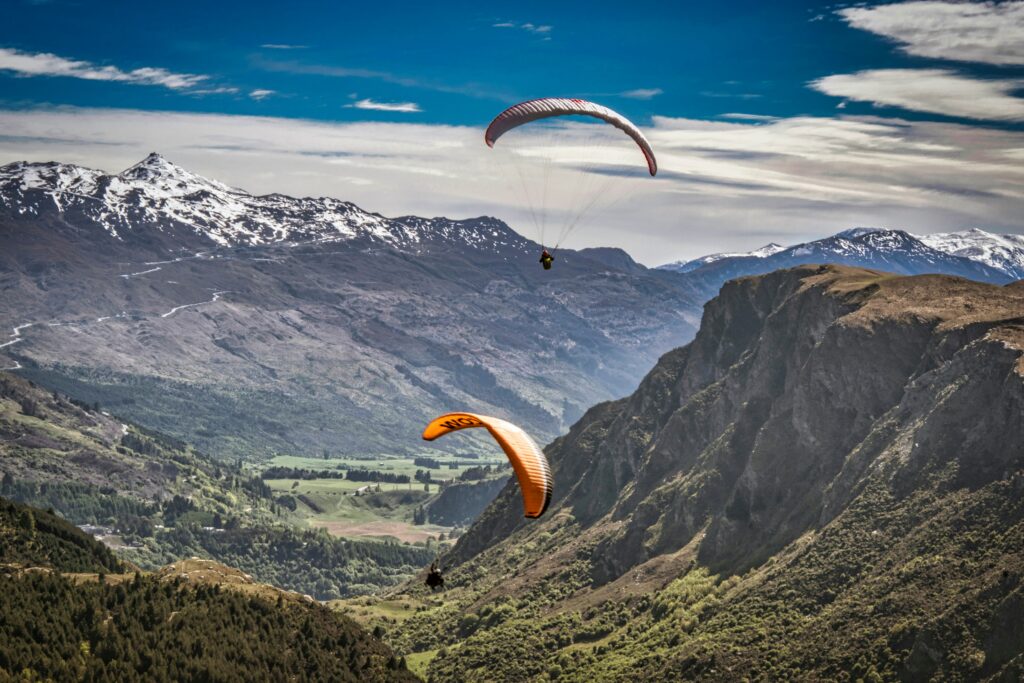
New Zealand is where commercial adventure tourism was born — Queenstown, on the shores of Lake Wakatipu below the Remarkables mountain range, invented the bungee jump and has built an entire economy around structured thrills. Every major activity is available within 30 minutes of the town center: bungee, skydiving, jet boating, white water rafting, and exceptional ski terrain in winter. Beyond Queenstown, the Milford Track is one of the world’s great multi-day hikes, and the South Island’s fjords rival Norway at a fraction of the distance. New Zealand is not a budget destination by any measure; the concentration of experiences per square mile is unmatched.
More Adventure Guides Coming Soon
Four more guides in production. Subscribe below and we’ll let you know when each one drops.
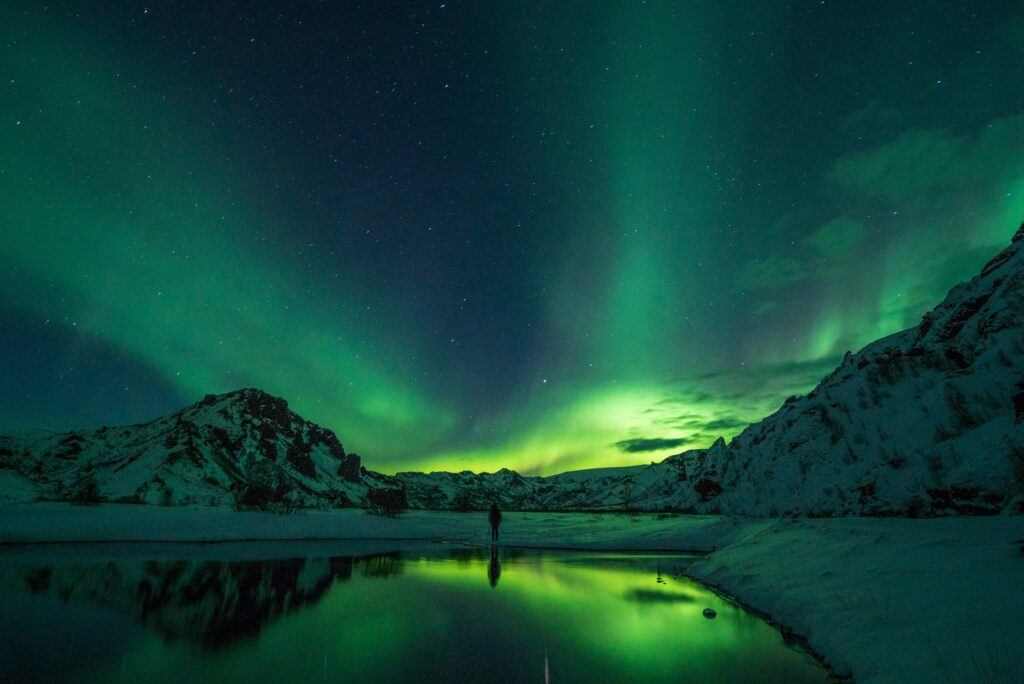
Iceland packs more geological extremity per square mile than any other country — active volcanoes, lava fields, glaciers you can hike, geysers erupting every few minutes, and waterfalls dropping into gorges carved by ancient floods. The Golden Circle covers the country’s most iconic sights in a single day trip. The northern lights are visible from October to March. Iceland is expensive for food and accommodation; the landscapes themselves are almost entirely free. Full adventure guide coming soon.

Chamonix sits at 3,400 feet in the French Alps directly below Mont Blanc with some of the most challenging and rewarding alpine terrain on earth. The Tour du Mont Blanc circumnavigates the massif through France, Italy, and Switzerland over 11 days and is one of the world’s great long-distance hikes. Winter brings world-class off-piste skiing; summer brings climbing, via ferrata, and paragliding above the glacier. Full guide coming soon.
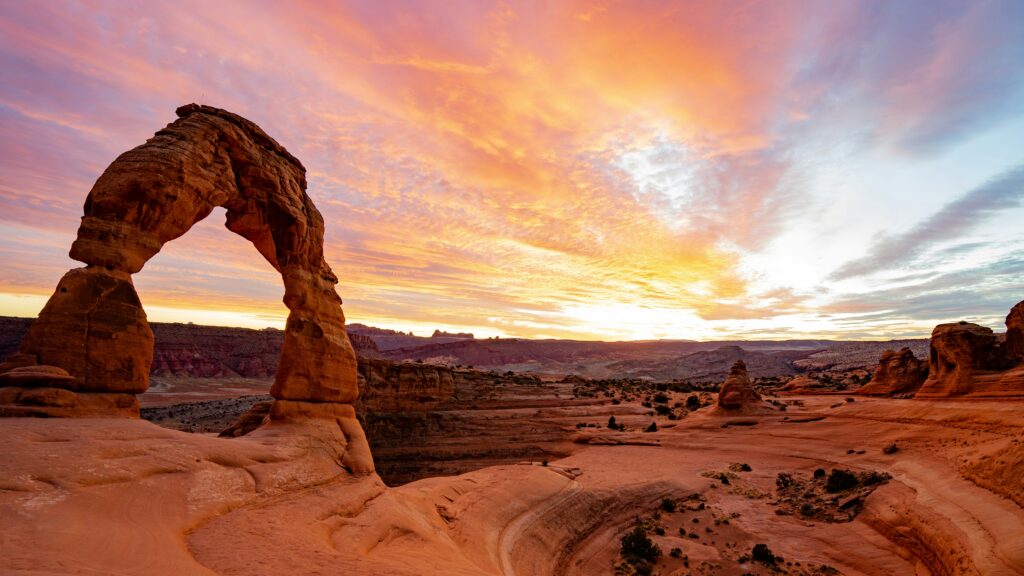
Moab is the gateway to both Arches and Canyonlands National Parks — two entirely different desert landscapes within 30 minutes of each other. Arches has the world’s greatest concentration of natural stone arches. Canyonlands has the Colorado and Green Rivers cutting through layered canyon country. The mountain biking on Slickrock Trail is legendary. Full guide coming soon.
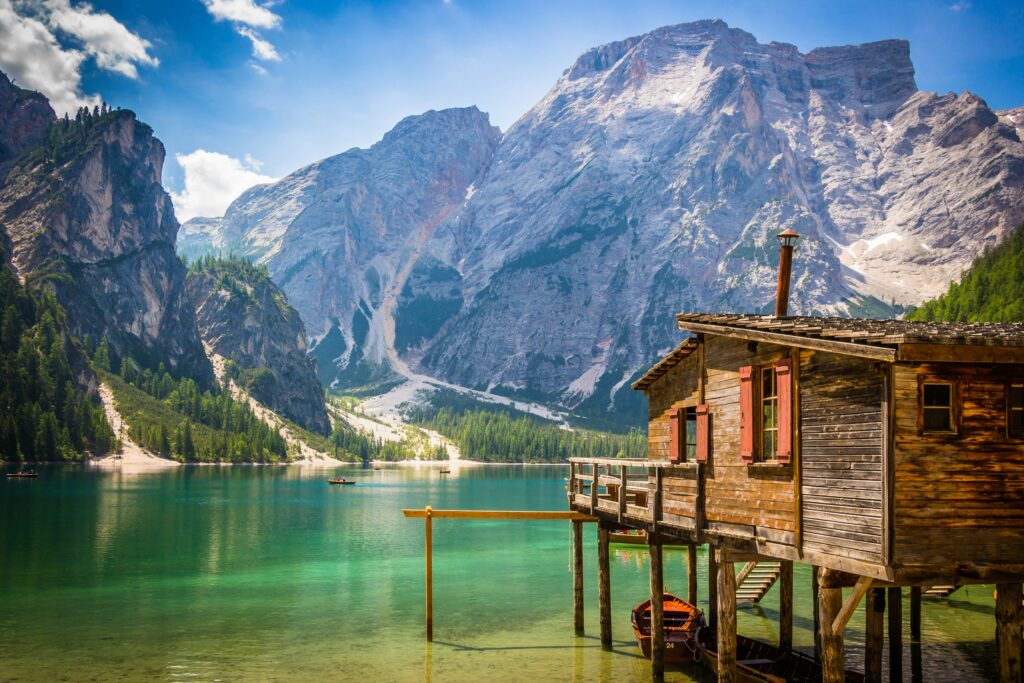
The Dolomites in northeastern Italy are a UNESCO World Heritage Site — vertical pink limestone towers rising from Alpine meadows with a network of via ferrata and multi-day Alta Via trails connecting rifugios where you can sleep and eat a full Italian dinner at 8,000 feet. The scenery is more dramatically vertical than anything else in the Alps. Full guide coming soon.
New Guides Dropping — Be the First to Know
Subscribe and we’ll send you each new destination guide when it drops — plus the budget travel cheat sheet, free.