
Nashville 2026: Music City Without the Tourist Trap Markup
Broadway is free. The hot chicken is legendary. The Opry is worth every dollar. And most of what makes Nashville genuinely great costs nothing at all — if you know where to look.
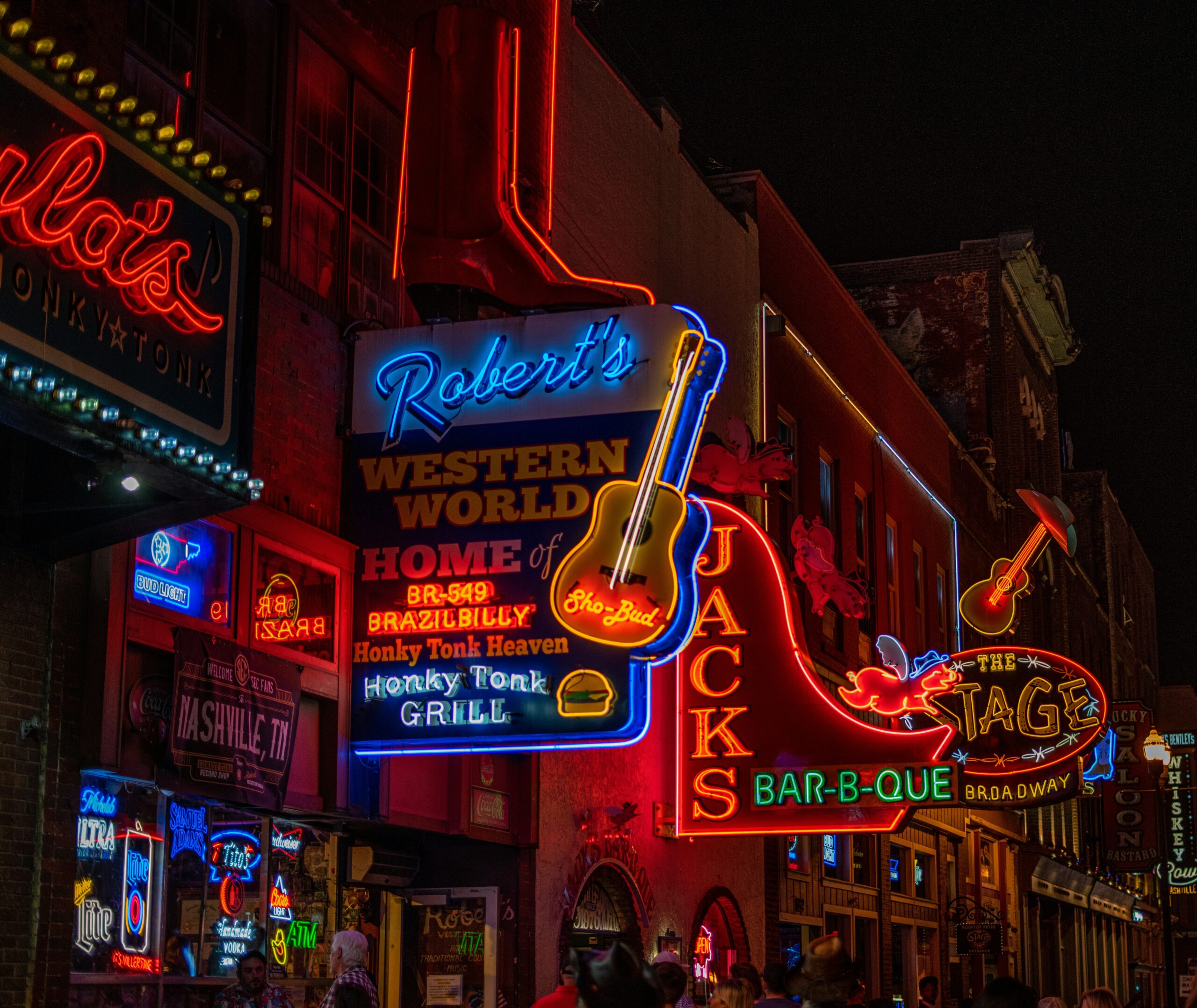
You can spend an entire afternoon on Lower Broadway without spending a dollar. Walk into any honky tonk, find a spot near the stage, and watch musicians who are genuinely good play country music from ten in the morning until two the next morning. No cover. No minimums. The bands play for tips and the crowd stays because the music is actually worth staying for. This is the thing Nashville gets right that no other American city has figured out how to replicate.
Nashville’s tourism explosion over the past decade has created a real problem: the tourist trap version of the city is genuinely expensive and genuinely mediocre. Overpriced Broadway bars, $30 boot-shaped cocktails in novelty mugs, bachelorette party infrastructure that has little to do with the actual music city underneath it. But Nashville underneath it — the Ryman Auditorium, the Country Music Hall of Fame, the songwriter rounds at the Bluebird Cafe, the hot chicken, the 12 South and Germantown neighborhoods — is one of the most interesting cities in the United States. The guide below is about that Nashville. Not the one being sold to you on a neon-lit bar crawl.
What’s In This Guide
📅 Best Time to Visit Nashville
Sweet spot: September and October. The summer crowds are gone, the weather is perfect for walking the neighborhoods, and hotel rates drop meaningfully. January and February are surprisingly good if you don’t mind cooler temps — the music is excellent year-round and you’ll have Broadway almost to yourself on a Tuesday night. Avoid CMA Fest in June unless you specifically have tickets — hotel prices triple and the city is beyond capacity.
Where to Stay in Nashville
Downtown Nashville is the right base for most visitors — walkable to Broadway, the Ryman, the Country Music Hall of Fame, and the restaurant-dense neighborhoods of The Gulch and SoBro. Budget options exist but you’re mostly looking at either airport-area hotels (cheaper but a rideshare away) or slightly outside downtown. Note that Nashville charges a 15.5% hotel tax on top of nightly rates — factor this in when comparing prices. All rates below verified March 2026.
The Comfort Inn Downtown is one of the rare budget options that puts you within walking distance of Broadway, the Country Music Hall of Fame, and the Bridgestone Arena without requiring a rideshare every time you want to go anywhere. Rooms are basic — this is not a boutique property — but they’re clean, well-maintained, and recently renovated. For the budget traveler who wants to maximize time in Nashville rather than in their hotel room, this delivers exactly what it promises. Book well ahead on weekends, when even budget downtown properties fill fast.
Drury Plaza hotels consistently punch above their price point, and the Nashville Downtown location is no exception. The free hot breakfast and free evening drinks (up to three alcoholic drinks plus snacks during the daily “kickback” hour) meaningfully reduce your daily food and drink budget — a genuine savings of $30–$50/day for two people compared to paying for these items separately. Central location near the Ryman and Bridgestone Arena, solid rooms, and one of the best pool setups in the mid-range tier. Book this one if value per dollar is your primary metric.
The Omni Nashville is the premium downtown choice — architecturally striking, directly connected via sky bridge to the Country Music Hall of Fame, and loaded with the kind of amenities that justify the price if you’re going to use them. The rooftop pool is one of the best in Nashville. Multiple dining options including the acclaimed Kitchen Notes restaurant. The location is unbeatable for anyone focused on the music and culture side of Nashville rather than just Broadway nightlife. For a special occasion or a trip where comfort is the priority, this delivers.
Get the Budget Travel Cheat Sheet
Booking shortcuts, packing hacks, and money-saving moves our readers use on every trip — free when you subscribe.
15 Best Nashville Experiences
Nashville’s best experiences split cleanly into two camps: the ones that cost nothing (Broadway, walking the neighborhoods, eating hot chicken at the counter) and the ones worth paying for (the Ryman, the Opry, the Country Music Hall of Fame). The tourist traps are obvious once you know to look for them. This list avoids them.
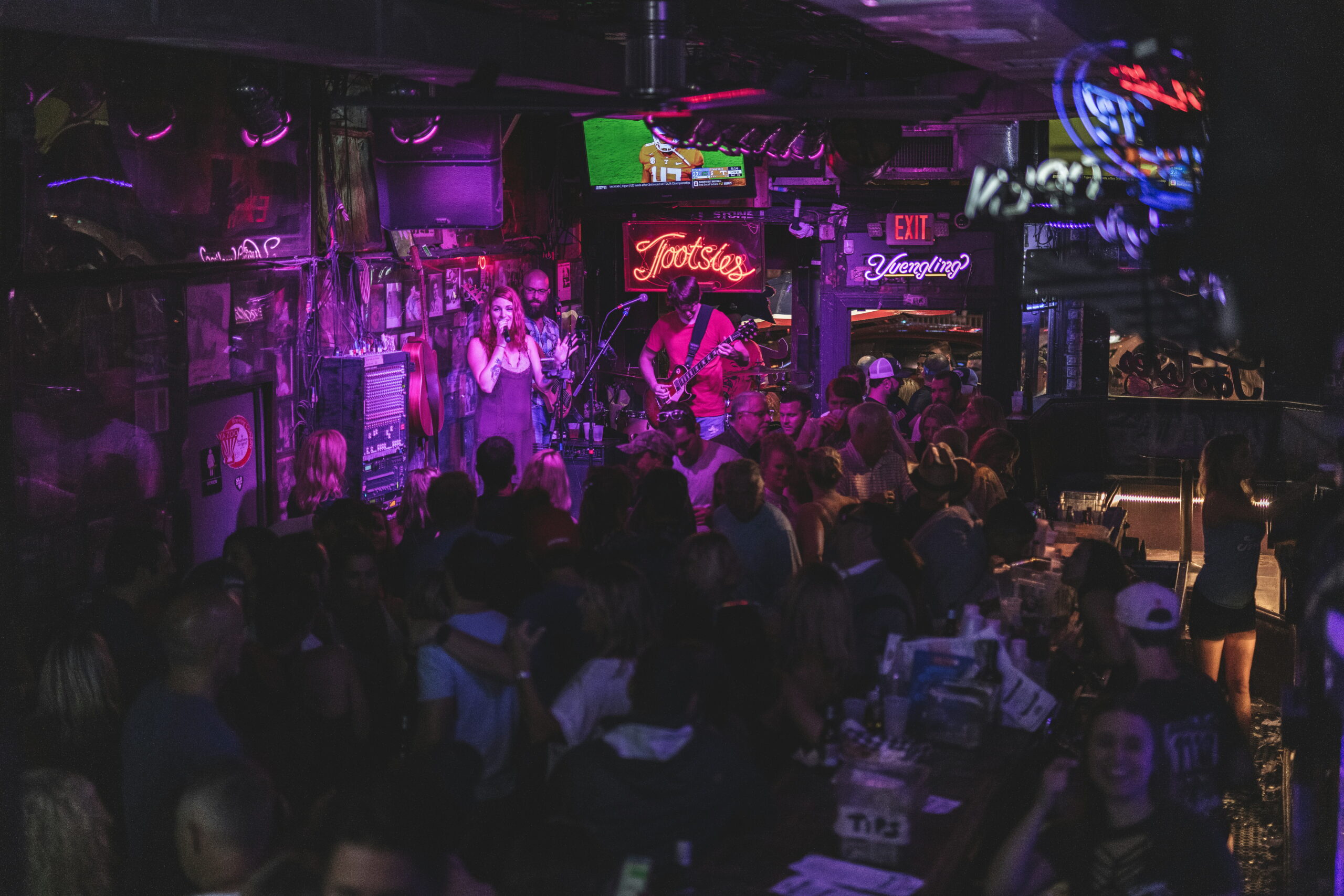
Lower Broadway is one of the great free experiences in American urban travel — a three-block stretch of honky tonks where live bands play country music from 10am until 2am, seven days a week, with no cover charge at any of them. Tootsies Orchid Lounge, Robert’s Western World, Layla’s, Legends Corner — each has its own personality and rotation of musicians, ranging from genuinely excellent to great background music. The bands earn their money through tips; leaving a few dollars every time a musician particularly moves you is the right move. The key is knowing when to be there: weekday afternoons are ideal, weekend nights are wall-to-wall people.
💡 Robert’s Western World is the most authentically classic honky tonk on the strip — they still sell bologna sandwiches and PBRs, the bands are excellent, and it feels the least manufactured. Weekday afternoons are the best version of Broadway that exists. The neon gets better after dark, but so do the crowds.
12 South is Nashville’s most walkable and photogenic neighborhood — a tree-lined street of independent boutiques, cafes, restaurants, and the famous “I Believe in Nashville” mural that has been photographed approximately ten million times. It’s a genuine neighborhood rather than a tourist construction, with locally owned businesses and residents who actually live there. The food scene is outstanding: Biscuit Love for breakfast, Barcelona Wine Bar, Bartaco, and a rotating cast of excellent options. A 20-minute Uber from downtown but worth the trip, particularly for a Saturday morning or afternoon when the street has energy without Broadway-level crowds.
💡 The “I Believe in Nashville” mural is at 2501 12th Ave S — prime photo opportunity. Biscuit Love (directly across the street at 316 11th Ave S) typically has a wait on weekends but moves quickly. Arrive when they open at 7am on weekdays to skip the line entirely.
Germantown is Nashville’s most underrated neighborhood — a restored 19th-century district just north of downtown with brick-lined streets, converted warehouses, and some of the best restaurants in the city. Rolf and Daughters, Butcher & Bee, The Inn at Germantown, Emmy Squared — the food scene is genuinely chef-driven rather than tourist-oriented. It’s quiet enough to have a conversation but interesting enough to spend a full afternoon in. The walk from downtown is about 15 minutes and passes through the farmer’s market on the way, which runs year-round on Saturdays.
💡 The Nashville Farmers’ Market at 900 Rosa L Parks Blvd, adjacent to Germantown, runs Saturday mornings year-round and is one of the best cheap food situations in the city — fresh produce, local vendors, and food stalls with excellent breakfast options for $8–$12. Pair a Saturday morning at the market with a walk through Germantown afterward.
The Music City Walk of Fame is Nashville’s equivalent of the Hollywood Walk of Fame — a park on Demonbreun Street in the heart of the entertainment district with star-shaped markers honoring artists who have made significant contributions to the music that originated in Nashville. Johnny Cash, Dolly Parton, Taylor Swift, Elvis Presley, Bob Dylan — the inductees span genres and decades, with a new class added each year. It’s walkable, free, and one of the more thoughtful outdoor installations in the city. The surrounding area connects to the Country Music Hall of Fame, the Schermerhorn Symphony Center, and the Bridgestone Arena.
💡 The Walk of Fame is at its best on a Tuesday or Wednesday afternoon when you can actually read the markers without navigating around crowds. The park connects to the First Art Museum (free) and sits directly across from the Music City Center convention complex, which occasionally hosts free public events.
Centennial Park is Nashville’s best urban park — 132 acres of green space in Midtown with walking paths, a lake, a sunken garden, and the full-scale replica of the Parthenon that gives Nashville its nickname “Athens of the South.” The park itself and the Parthenon’s exterior are always free and always accessible. The interior museum (featuring the remarkable 42-foot Athena statue) normally charges $15/adult — but the Parthenon is closed from March 1 through approximately June 28, 2026 for HVAC system renovation. The exterior and park remain fully accessible during this period. Plan any interior visit for July 2026 or later; check nashvilleparthenon.com for current status.
💡 The park is a 10-minute drive from downtown (or a short WeGo bus ride). It’s at its best on weekend mornings when the walking paths have energy and the market adjacent to the park is running. The lake is a good spot to decompress after the sensory intensity of Broadway.
The Gaylord Opryland Resort is a 9-acre enclosed tropical garden inside a hotel complex — a genuinely surreal experience where you walk from a Tennessee parking lot into what looks like a climate-controlled rainforest with rivers, waterfalls, restaurants, and a glass ceiling. It’s free to walk through as a non-guest during business hours and is one of the stranger and more interesting things to do in Nashville, especially if you’ve been spending all your time downtown. The resort is 9 miles from downtown (15-minute drive) and is adjacent to the Grand Ole Opry House. Particularly spectacular during the Christmas holiday season when elaborate light displays fill the atrium.
💡 Non-guests can access the interior gardens and walkways without charge during hotel operating hours. Restaurants are open to the public — the Delta Island restaurant inside the conservatory, while tourist-priced, provides a genuinely unique dining setting. Combine with a Grand Ole Opry show visit since they’re literally next door.
Nashville hot chicken is not a tourist gimmick — it’s a legitimate local food culture with deep roots in the African American community on Nashville’s north side, dating back to the 1930s. Prince’s Hot Chicken Shack (the original) and Hattie B’s (the most famous expansion) represent two different approaches to the same dish: fried chicken coated in a cayenne-heavy paste, served on white bread with pickles. The heat levels are genuine and not performative — medium is already significant, hot will challenge most people, and extra hot is not a tourist trap but a commitment with real consequences. Eating hot chicken at a proper spot is a better cultural experience than most of what’s sold as Nashville tourism.
💡 Prince’s Hot Chicken (at the 123 Ewing Dr location) is the original and still the standard. Expect a wait on weekends — it’s worth it. Hattie B’s has multiple locations and shorter waits but a slightly more sanitized atmosphere. Both are excellent. Start at medium on your first visit and calibrate from there — the “extra hot” level is genuinely challenging.
The Country Music Hall of Fame is the best music museum in the United States — a serious, well-funded institution with an extraordinary permanent collection of instruments, stage wear, handwritten lyrics, archival footage, and interactive media tracing country music from its Appalachian roots through contemporary Nashville. The rotating special exhibitions are consistently excellent. The Taylor Swift Education Center is a genuinely thoughtful addition for families. At $32/adult (verified March 2026 from the official ticketing page at countrymusichalloffame.org), it’s the most substantive cultural investment you can make in Nashville. Budget 2–3 hours minimum to do it properly. The optional add-on tours of RCA Studio B ($23 additional) and Hatch Show Print ($23 additional) are both excellent if time permits.
💡 Buy tickets online in advance — prices are the same and you skip any queue. The museum opens at 9am and is least crowded in the first two hours. The free weekly songwriter sessions and programs are included with admission — check the museum’s calendar before your visit for what’s scheduled during your trip.
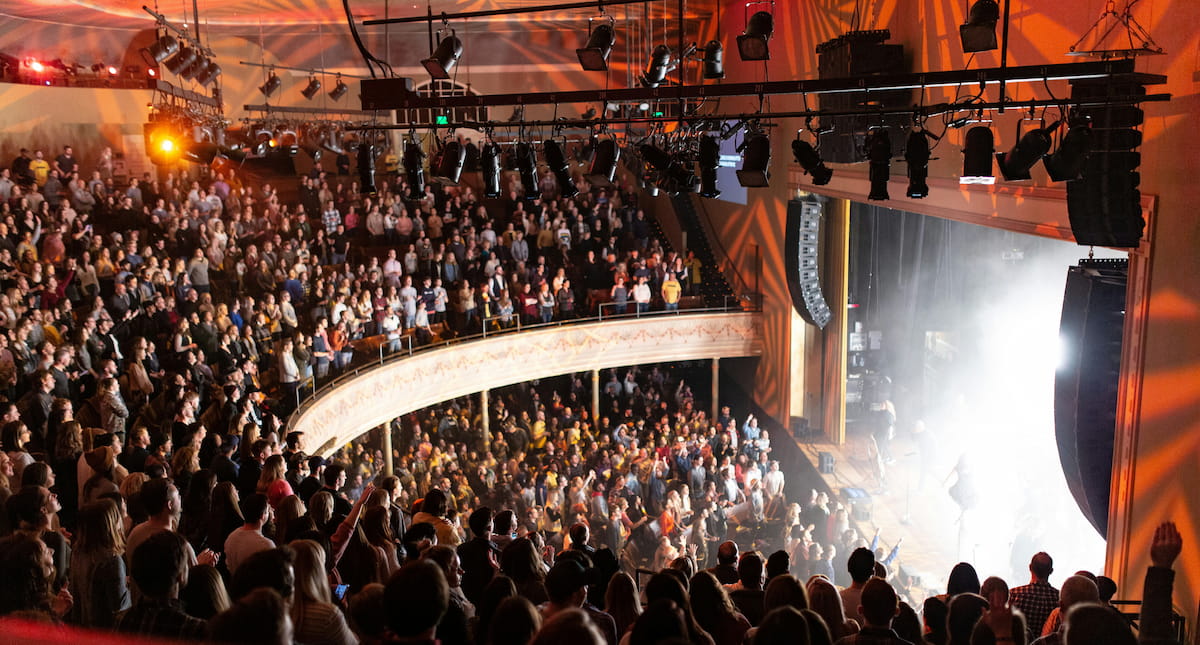
The Ryman Auditorium is one of the most sacred spaces in American music — a former tabernacle built in 1892 that became the home of the Grand Ole Opry from 1943 to 1974 and has hosted everyone from Hank Williams to Elvis Presley to Harry Styles on its legendary stage. The self-guided tour (~$36/adult, children 12 and under free with a paid adult, verified March 2026) includes the immersive Soul of Nashville theater experience, access to all exhibits, and a photo opportunity on the actual Ryman stage. The backstage guided tour (adults $34.95–$35.70, children $26.95) adds a 45-minute expert-guided component for roughly $10 more. Both are worth it. This is hallowed ground for anyone who cares about American music history.
💡 Tours run 9am–4pm on most days. The Ryman’s performance schedule affects tour availability — check ryman.com before your visit. If you’re visiting during a week when the Grand Ole Opry is performing at the Ryman (typically winter months), the post-show backstage tour is a special experience that combines the show and behind-the-scenes access.
The Johnny Cash Museum holds the world’s most comprehensive collection of Cash artifacts — guitars, stage outfits, handwritten letters, gold records, photographs, and the US Air Force uniform from his years of enlistment in the early 1950s. It’s a small museum by footprint but dense with content, and the curating is done with genuine care for the complexity of Cash’s life and legacy rather than just the mythology. Children 5 and under enter free with a paying adult. Located two blocks from Broadway, it pairs naturally with a Ryman visit or a morning walk before the Broadway crowds arrive. Budget 60–90 minutes.
💡 Buy tickets at the door (cash preferred for the $1 discount — or just use the standard $28 + tax online). Go on a weekday morning when the small space isn’t crowded — the museum gets genuinely congested on weekend afternoons. Johnny Cash’s Bar & BBQ is next door if you want to extend the experience into lunch.
The Bluebird Cafe is a 90-seat listening room in Green Hills where professional Nashville songwriters perform the songs they’ve written for major artists, in the round, and tell the stories behind them. Taylor Swift was discovered here. Garth Brooks got his first publishing deal after a Bluebird performance. It’s intimate, focused, and utterly unlike anything on Broadway — the crowd is quiet, the performers are facing each other, and the stories about how the songs got written are often more interesting than the songs themselves. Tickets sell out quickly; the official ticket system opens monthly and disappears within minutes.
💡 Bluebird tickets release on their official website (bluebirdcafe.com) on the first of each month for the following month — they sell out in under 10 minutes. Set a reminder and have your payment info ready. Arrive 30 minutes early, as the seating policy is first-come-first-seated with your confirmed ticket. The two-drink minimum is non-negotiable; factor it into your budget.
The Grand Ole Opry is the longest-running radio broadcast in American history, still running every week since 1925. A live show at the Opry House is genuinely unlike any other concert experience — a rotating cast of country music legends and new artists performing 15-minute sets, each introduced by the previous performer, within a single evening. You might see five acts from different eras of country music in one night, from a Hall of Famer to a brand-new artist getting their Opry debut. In 2026 the Opry is celebrating its 100th anniversary, making this a particularly significant year to see a show. Tickets run $53–$175/person depending on seat tier, verified via opry.com. Buy directly from opry.com for the best selection.
💡 Tuesday, Wednesday, and Thursday nights typically have lower ticket prices than Friday and Saturday. The balcony (Tier 6, lowest price) has good sightlines and excellent acoustics — the Opry House was designed as a radio broadcast facility and sounds great from every seat. The post-show backstage tour ($35.70/adult) is available on some nights and is well worth adding if you can.
RCA Studio B is where Elvis Presley, Dolly Parton, Roy Orbison, Waylon Jennings, and the Everly Brothers recorded hundreds of hits between 1957 and 1977. It’s the most-used recording studio in Nashville’s history and the room where the “Nashville Sound” was born — the smooth, pop-influenced country production style that defined the genre through the 1960s. The guided tour ($23/person as an add-on to Country Music Hall of Fame admission) takes you into the actual studio, still equipped with the original console, and lets you stand where the greatest recordings in country music history were made. A genuinely historic space presented with the seriousness it deserves.
💡 The RCA Studio B tour is shuttle-based from the Country Music Hall of Fame — it departs at scheduled times throughout the day. Book your time slot when you purchase CMHOF admission online. The tour runs about 45 minutes and requires advance reservation; don’t show up expecting to join one on the spot.
Nashville’s food scene has genuinely earned its reputation — hot chicken, meat-and-three diners, biscuits, and a new wave of chef-driven restaurants that have made the city a serious culinary destination. Guided food tours ($65–$90/person from operators like Nashville Food Tours and local alternatives) typically cover 5–7 stops across a walkable area, hitting a combination of institution-level spots and newer restaurants that locals actually eat at. For first-time visitors who want to eat well without spending three hours on Yelp, a food tour delivers genuine value — you’re paying for local knowledge, not just transportation between restaurants.
💡 The best food tours focus on specific neighborhoods rather than trying to cover the whole city — look for tours centered on Germantown, 12 South, or East Nashville rather than Broadway-focused options, which tend toward tourist traps. A morning or lunch tour works better than evening, when restaurants are busier and the experience is more rushed.
CMA Fest is Nashville’s biggest annual event — a four-day country music festival every June with stadium shows at Nissan Stadium, free daytime concerts along the riverfront, and thousands of fan interactions with artists across the city. The festival draws 80,000+ people per day and turns Nashville into something genuinely overwhelming for visitors who aren’t prepared. But if you’re a country music fan and you plan properly — book hotels 12 months ahead, know which shows you want to see, and accept that the city will be at maximum capacity — it’s a bucket-list experience. The official 4-day nightly pass covers all stadium shows; daytime concerts at the Riverfront Stages are free to anyone.
💡 If you’re going to CMA Fest, commit fully. The festival rewards people who lean into it rather than trying to experience Nashville normally around the edges. Book downtown accommodation the moment passes go on sale (usually late fall the year prior) — the hotels in walking distance of Nissan Stadium and Broadway sell out within days of the announcement.
Worth It / Skip It
Don’t Make These Mistakes
Spending your whole trip on Broadway and thinking you’ve seen Nashville. Lower Broadway is one component of what makes Nashville interesting — and not the most interesting component. The Ryman, the CMHOF, the songwriter culture, the food in Germantown and 12 South, the Bluebird — these are the parts of Nashville that people who actually love the city love. A trip that’s entirely Broadway bars is a trip that could be replicated in a themed bar in any major city. Give yourself at least two meals and one afternoon outside the Broadway corridor.
Underestimating the hotel tax. Nashville charges 15.5% hotel occupancy tax on top of nightly room rates. A hotel listed at $180/night actually costs $207.90/night after tax. Over five nights that’s a $149 gap between what you budgeted and what you’re actually paying. Factor it in from the start — the gap between listed rate and actual cost is larger in Nashville than in most US cities.
Trying to get Bluebird Cafe tickets on the day of your visit. The Bluebird doesn’t do walk-in shows — tickets sell out when they’re released on the first of each month for the following month. Walk-ins are occasionally possible for cancellations, but planning on it is not a strategy. Book your Nashville trip dates, then immediately check when the next ticket drop is and put a calendar reminder on your phone. This is the single most common Nashville planning failure.
Planning a visit during CMA Fest without knowing what you’re getting into. The first full week of June, Nashville hosts CMA Fest — one of the largest country music events in the world. If you have tickets and planned around it, wonderful. If you accidentally booked Nashville the same week because June seemed like a nice time to visit, you’ll find hotels triple the normal price, restaurants with 2-hour waits, and a city operating at ten times its usual tourist volume. Check the CMA Fest dates before booking any June Nashville trip.
VacayValue Scorecard — Nashville
Packing List — Nashville
Every Sunday: One Destination. One Honest Take.
Join travelers who plan smarter. One email per week — real costs, specific advice, no filler.
The Tourist Trap Version of Nashville Is Expensive and Mediocre. The Real Version Is Neither.
Nashville has built an enormous tourism industry on top of something genuinely worth coming for — one of the most distinctive music cultures in American history, an actual food scene, walkable neighborhoods with real character, and a collection of music institutions that exist nowhere else on earth. The mistake most first-time visitors make is spending their entire trip in the manufactured layer on top of that.
The honky tonks on Broadway are free and legitimately good. The Country Music Hall of Fame is one of the best museums in the United States. The Bluebird Cafe is a 90-seat room where the professionals who write the songs you know perform them for you personally. These things are not expensive. What’s expensive in Nashville is the hotel tax, the weekend surcharge, and the tourist trap markup on drinks served in souvenir cups that nobody needs.
Nashville rewards visitors who do the homework. The city has two versions of itself running simultaneously — know which one you came for, and you’ll leave wondering why you didn’t come sooner.