
The World’s Best Beach Destinations — Ranked by Value
Free beaches in LA. $3 entry to Santorini’s Red Beach. No passport required in San Juan. The world’s best beach destinations — with verified cost breakdowns so you know exactly what each one costs before you go.

What Makes a Great Value Beach Destination?
The beach itself is almost always free. What you pay for is everything around it — where you sleep, what you eat, and what you do when you come up from the water. That’s where the cost variance between destinations is enormous, and where our rankings actually matter.
The biggest mistake in beach travel is conflating a beautiful beach with an expensive one. Cancun’s public beaches are as good as the resort beaches on the other side of the fence — and they’re free. LA’s Santa Monica and Venice are world-class beaches that cost nothing to access. Santorini charges $3 to visit its most famous beach. The destinations that charge the most for the beach experience itself — exclusive beach clubs, resort fees, mandatory minimum spends — are almost never worth it over simply walking to the sand. We score every destination on what the full experience costs, not just the headline attraction.
The Beach Travel Rankings
Ranked by VacayValue Score. Every guide includes verified costs, honest hotel picks, and our take on what’s worth doing — and what to skip.
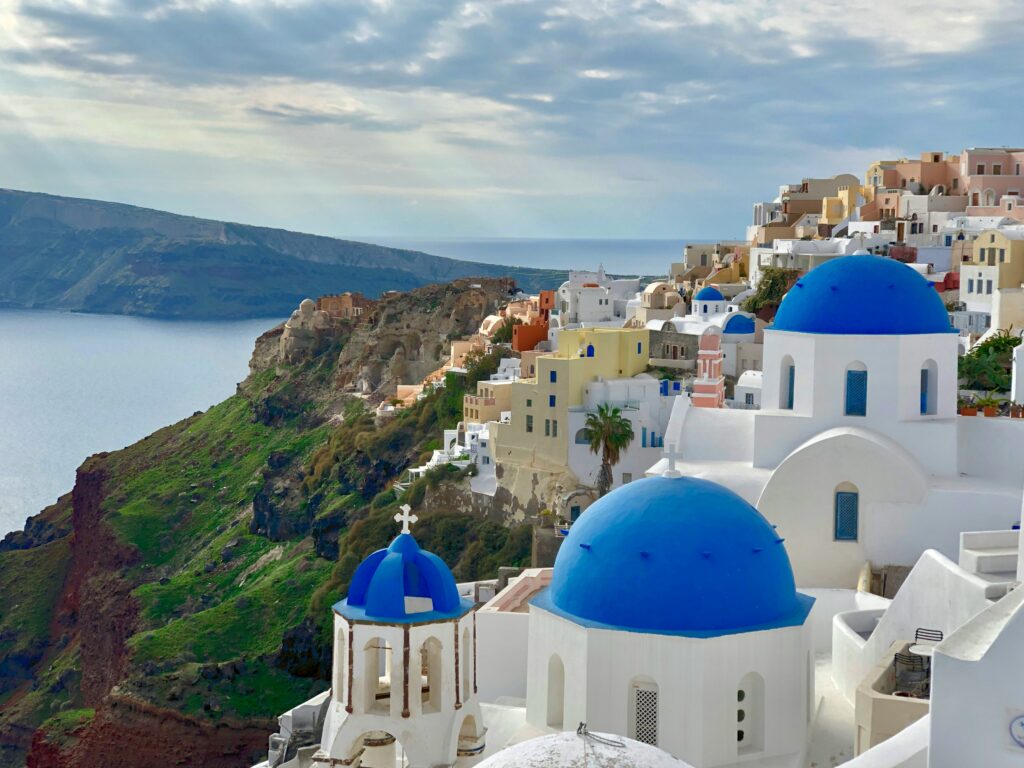
Volcanic caldera cliffs dropping into an electric-blue Aegean. A Red Beach made of dark lava rock. Oia’s whitewashed villages above the water at sunset. Santorini is genuinely extraordinary — and it is genuinely expensive in the wrong neighborhoods and at the wrong times. Our guide tells you exactly which hotels, beaches, and restaurants deliver the full Santorini experience without the Oia markup.
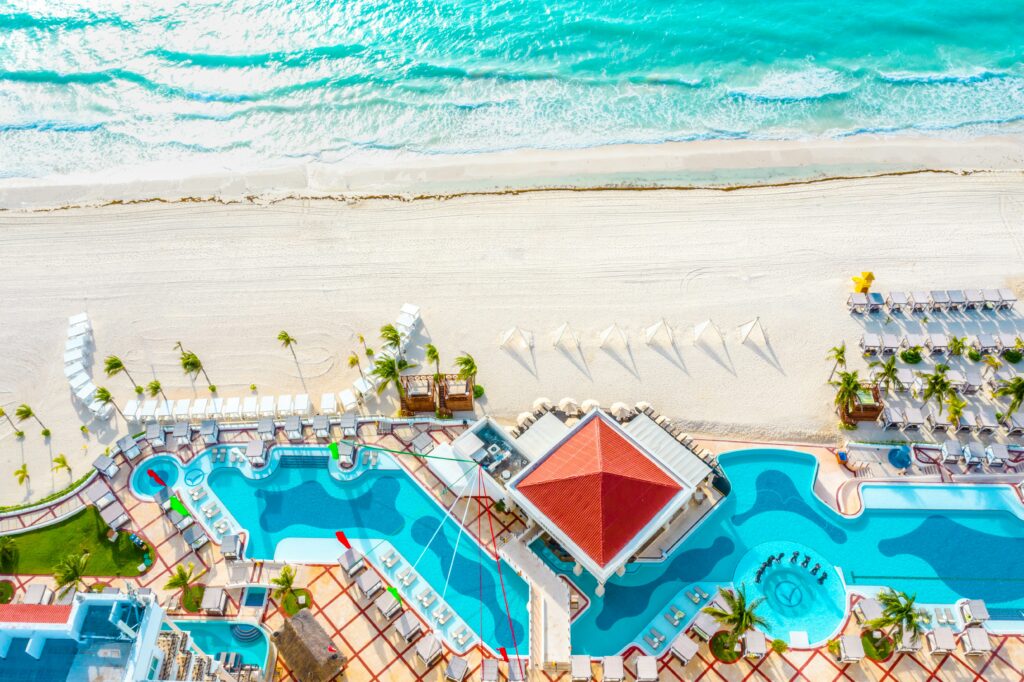
The Caribbean water at Cancun — turquoise, warm, crystal clear — is genuinely world-class. The Hotel Zone charges world-class prices for it. The public beaches, the downtown restaurants, and the cenote day trips accessible from the same base give you the identical Caribbean experience at a fraction of the resort cost. Cancun rewards the traveler who knows where the locals eat and where the non-resort beaches are.
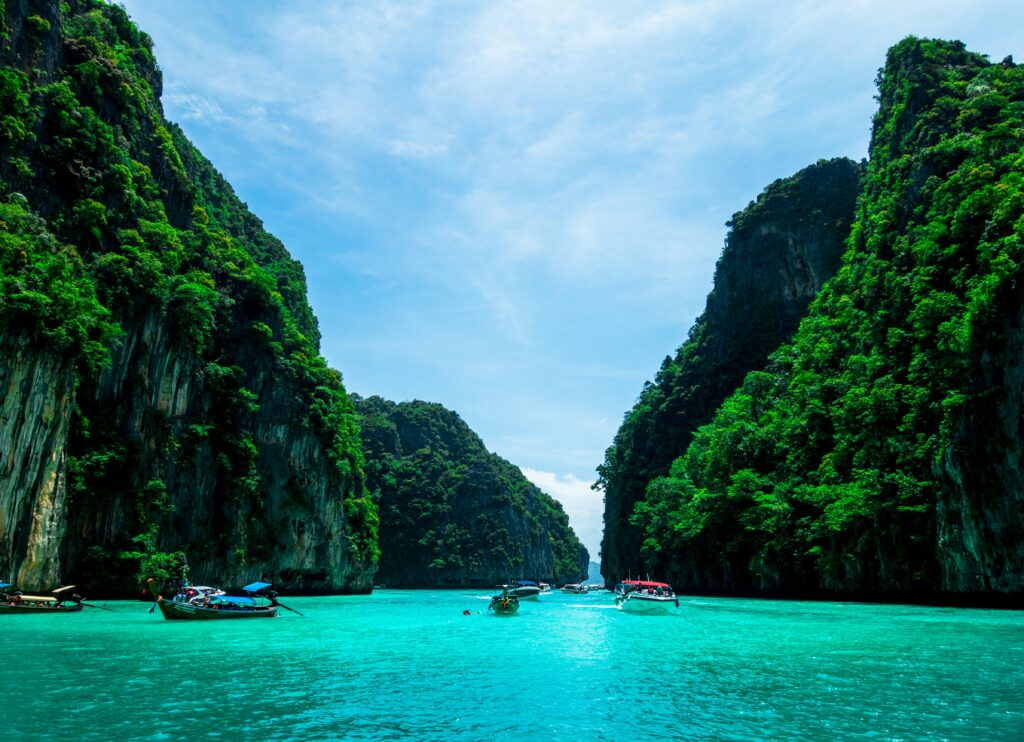
Phuket sits in the Andaman Sea with 30+ beaches across its coastline — from the busy energy of Patong to the quiet limestone bays of the west coast. Pad thai from a street cart costs $2. A longtail boat to a private cove costs $15. A seaside bungalow on a quieter beach runs $30–$50/night. Thailand’s combination of beach quality, food culture, and value is unmatched in Southeast Asia.
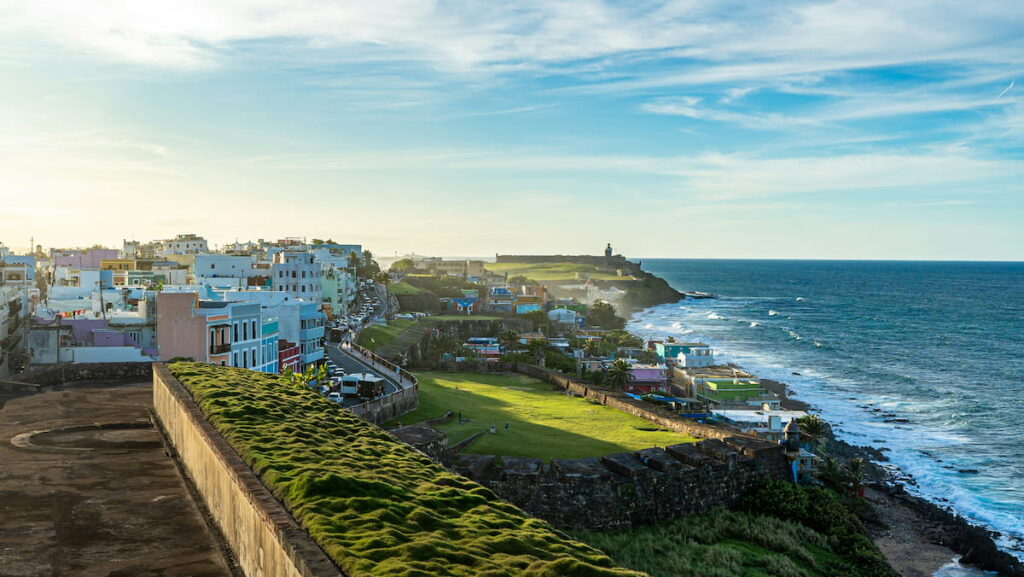
Old San Juan’s cobblestones and pastel colonial buildings, El Morro fortress above crashing Atlantic waves, and warm Caribbean water at Condado and Ocean Park beaches — all accessible without a passport from any US city. Puerto Rico runs on the dollar with no currency math, no roaming charges, and no customs line. The island’s value comes from Caribbean beach quality paired with domestic travel convenience, and direct flights from most major US hubs stay under $350 round-trip.
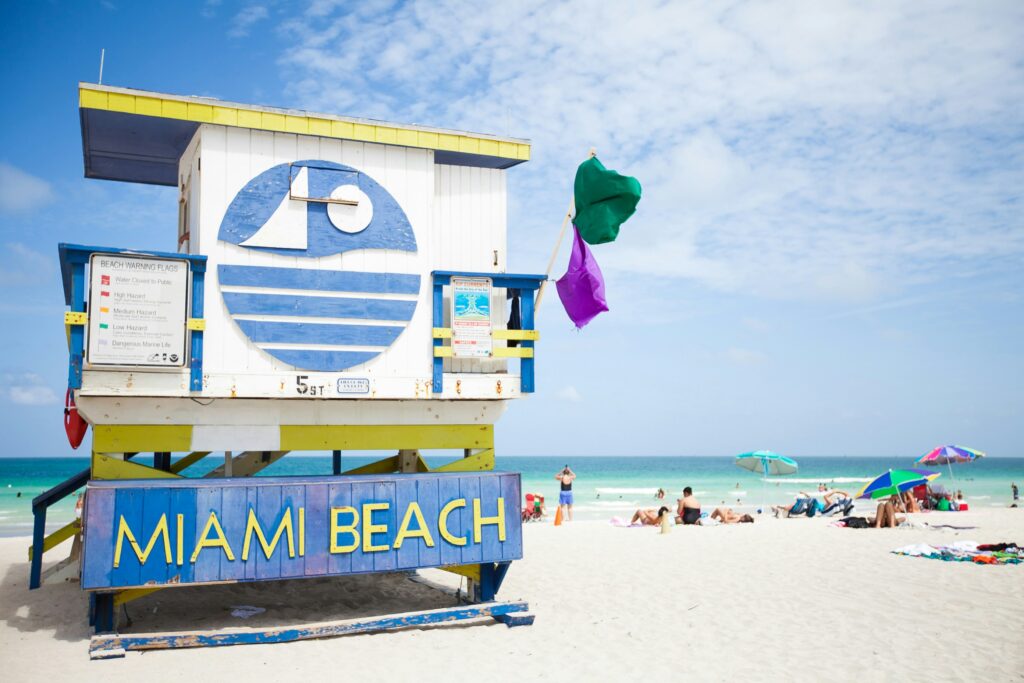
South Beach’s Atlantic is warm, beautiful, and free to anyone who walks onto the sand. The Art Deco buildings behind it are extraordinary. The restaurants on Ocean Drive are overpriced by 40%. Miami’s value is entirely a function of neighborhood choice — stay in Mid-Beach, eat in Little Havana, take the free trolley, and spend your money on an Everglades day trip instead of a beach club minimum spend.
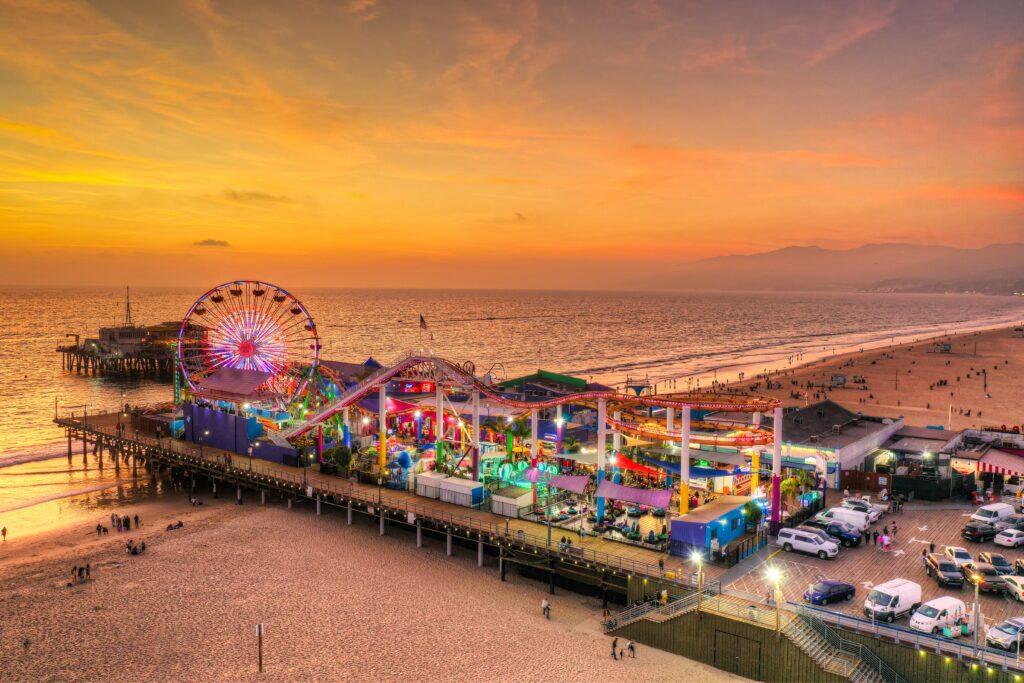
LA has 75 miles of Pacific coastline — all of it free, all of it public, from Malibu to Long Beach. Santa Monica, Venice, Manhattan Beach, and Zuma are each genuinely excellent beaches with no entry fee and no minimum spend. The city’s reputation for expense comes from its restaurants and hotels; the beaches themselves are among the most accessible in the country. Add free world-class museums and $3 street tacos, and the beach experience costs far less than the city’s reputation suggests.
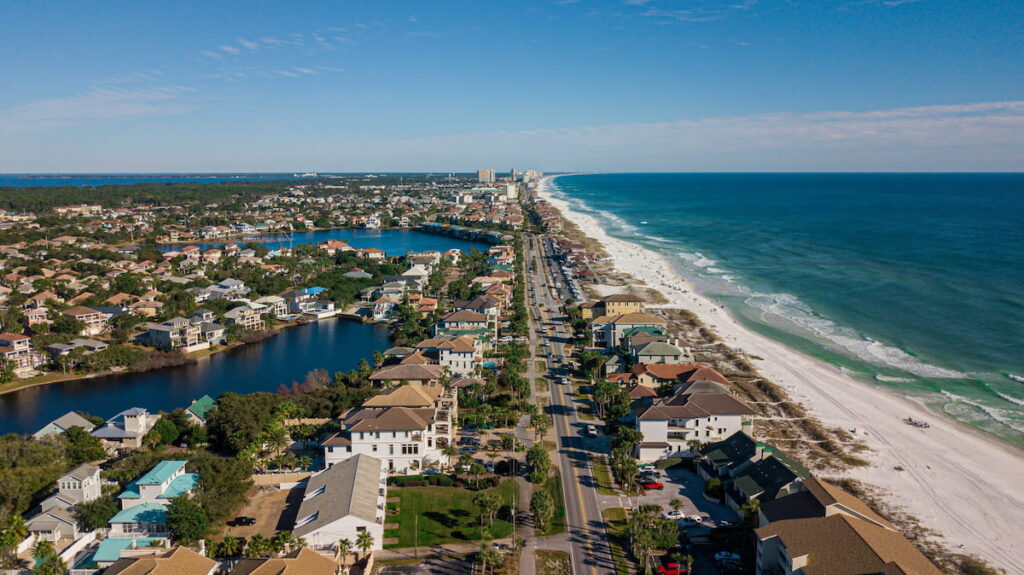
The Emerald Coast’s 30A corridor and Destin harbor some of the finest white-quartz sand beaches in the continental US — the kind that squeaks underfoot and looks impossibly white against Gulf green water. It runs on the beach house rental model, not the hotel model, which changes the cost math entirely: a house shared among two families costs less per person than a single hotel room. Seafood off the Destin harbor runs $15–$25 a plate. The biggest line item here is the rental car — this is not a walkable destination.
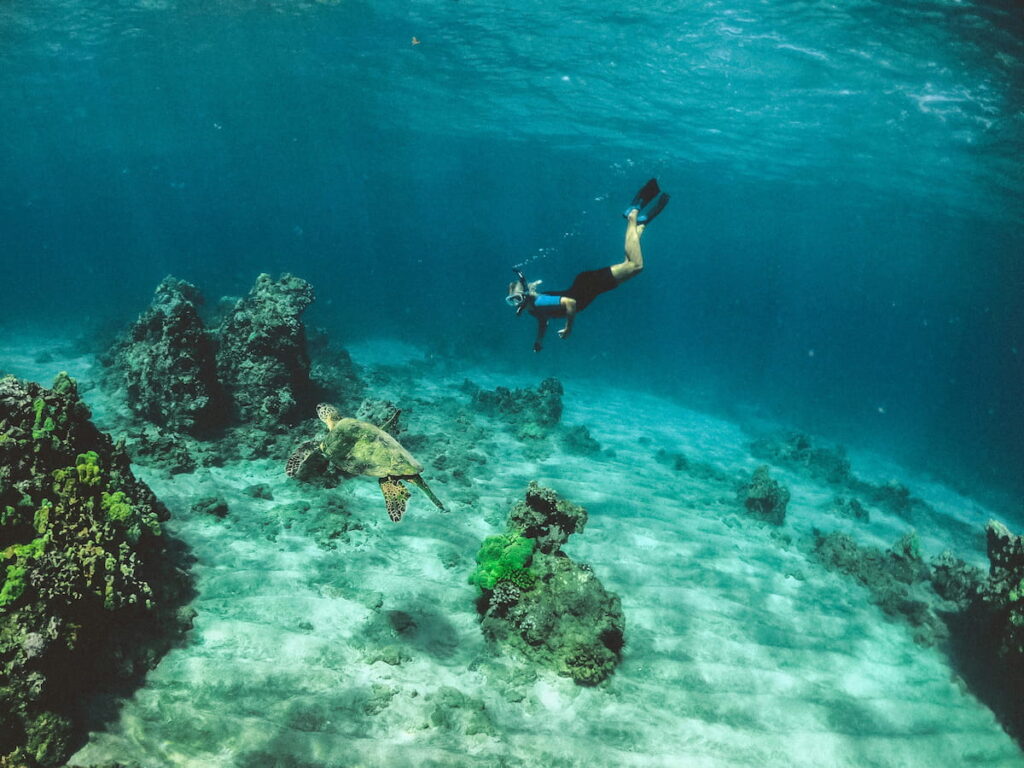
Maui consistently tops best-island rankings — and the costs are real. The Road to Hana is free and one of the world’s great drives. Snorkeling at Molokini runs $90/person on a boat. A mid-range hotel in Wailea starts at $400/night. Maui’s 7.0 score reflects extraordinary experience quality against genuinely high accommodation and activity costs. Our guide covers which beach towns keep costs manageable, which experiences are worth full price, and which overpriced tourist staples you can skip without missing a thing.
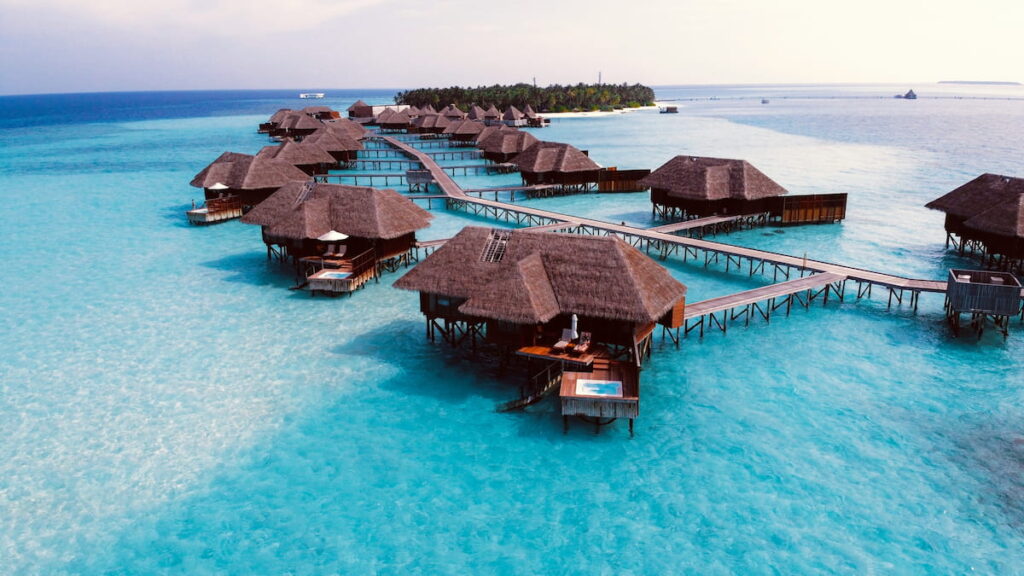
The Maldives’ overwater bungalow reputation prices most travelers out before they look at flights — but local island guesthouses on Maafushi and Thulusdhlu offer the same turquoise water and house reef snorkeling for $60–$100/night. The key variable is the transfer: seaplane vs. speedboat can add $500 per person in unexpected costs if you don’t book right. Our guide breaks down the guest island model, the all-inclusive resorts, and what each tier actually costs in 2026.
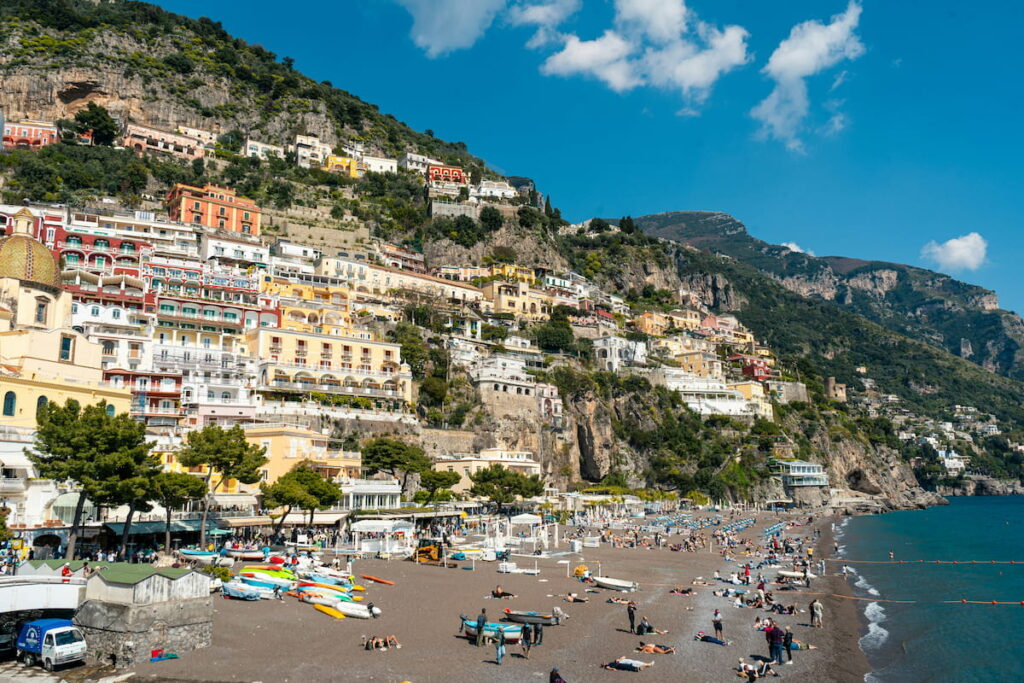
The Amalfi Coast’s 13-kilometer stretch of cliffside villages — Positano, Ravello, Atrani, Amalfi — is among the most photographed coastlines in the world, and among the most expensive to navigate wrong. A room in Positano with a sea view runs $350–$600/night in peak season. Atrani, a 10-minute walk away, runs $120–$200. The SITA public bus costs €2.50. A private boat costs €80. This guide is built around one core insight: the Amalfi Coast rewards travelers who understand the local-vs-tourist price gap at every stage of planning.
More Beach Guides Coming Soon
We’re working through the world’s best beach destinations one guide at a time. Subscribe below and we’ll let you know when each new guide drops.

Bali’s beach scene runs from the beginner-friendly break at Kuta to the world-class left-hander at Uluwatu, with the turquoise coves of Nusa Penida a short ferry ride offshore. The island’s beach culture is layered with Hindu ritual — offerings at the shoreline at dawn, ceremony at the clifftop temple at dusk — making it unlike any other beach destination on earth. Full guide coming soon.

Goa’s beaches run 60 miles along India’s western Arabian Sea coast — from the packed energy of Calangute in the north to the quiet palm-backed coves of Palolem in the south. Portuguese colonial architecture in Panaji, fresh catch grilled at shack restaurants steps from the water, and some of the most affordable beach accommodation in Asia. Full guide coming soon.
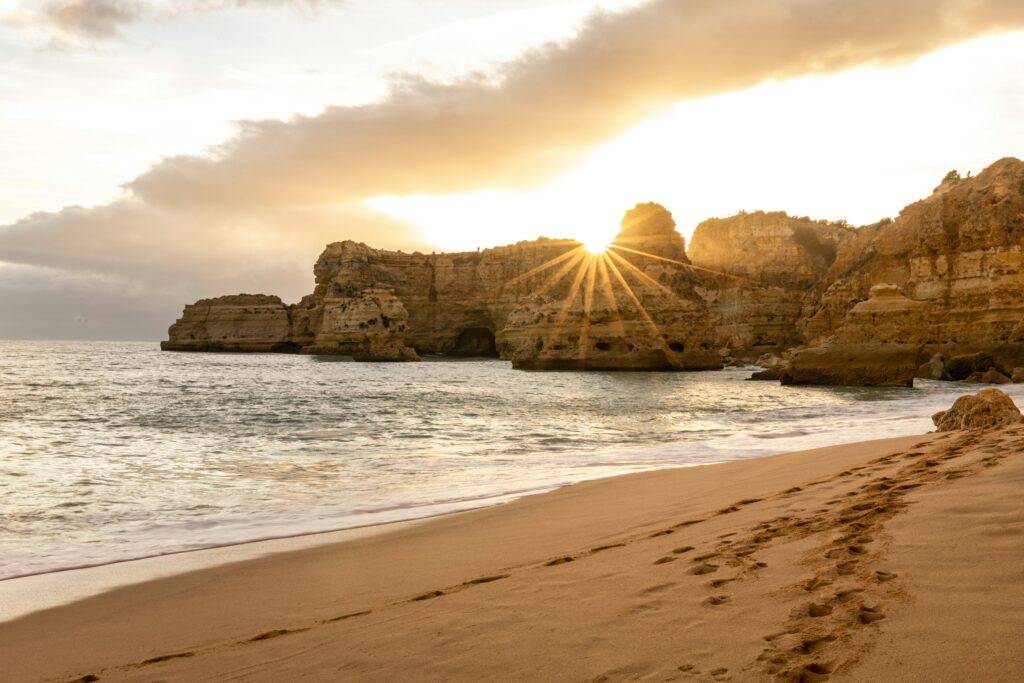
The Algarve’s golden limestone sea stacks, hidden grottos, and Atlantic surf breaks have made it Europe’s fastest-growing beach destination — with Portugal’s characteristically reasonable prices keeping it genuinely accessible. Seafood dinners for $15 in fishing villages, world-class surf at Sagres, and some of the most dramatic coastal scenery in Western Europe. Full guide coming soon.
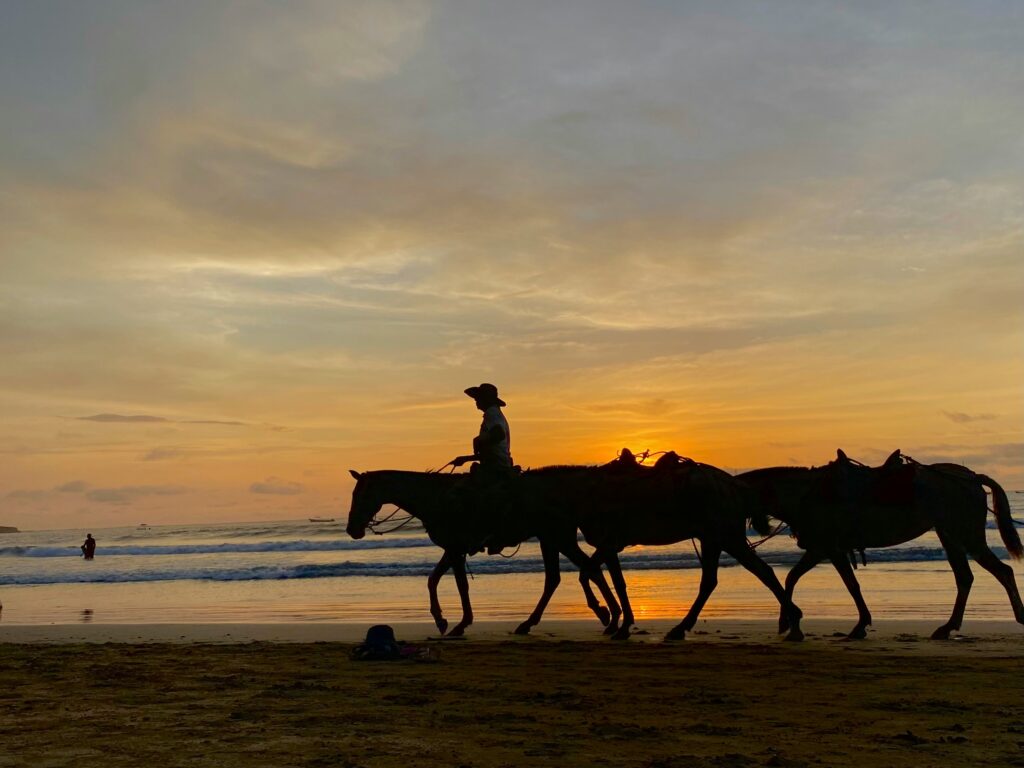
Costa Rica sits between the Pacific and the Caribbean, with dramatically different beach experiences on each coast. The Pacific side — Tamarindo, Santa Teresa, Manuel Antonio — has world-class surf and wildlife-backed beaches where howler monkeys wake you at 5am. The Caribbean side has calmer water, reef snorkeling, and a quieter pace. Both coasts share the country’s extraordinary biodiversity — every beach backed by primary jungle. Full guide coming soon.
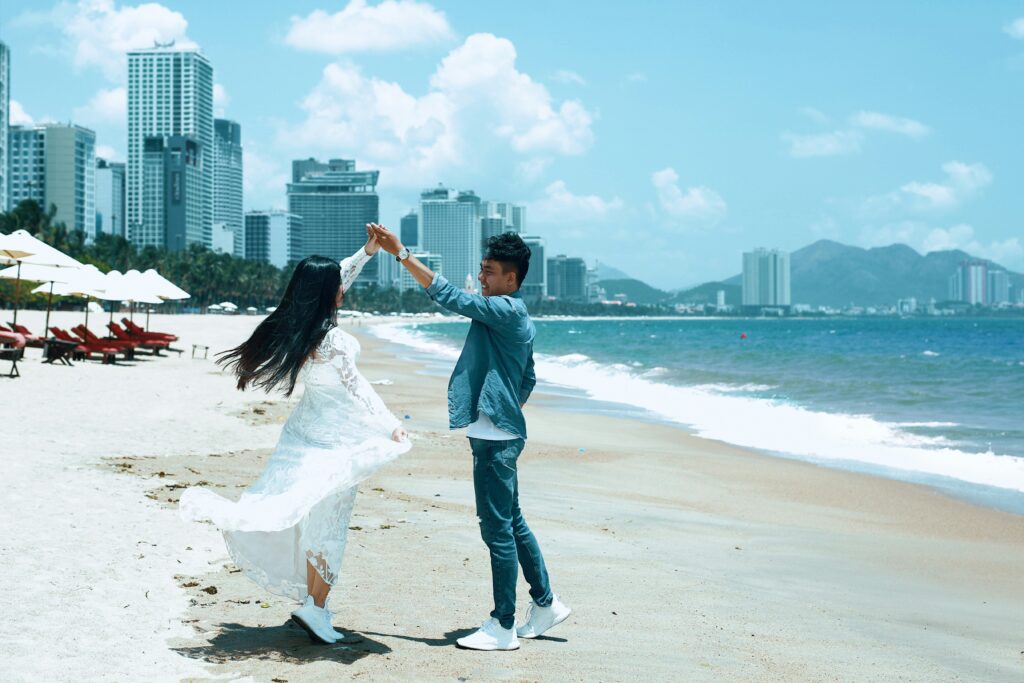
Nha Trang sits on a sweeping bay on Vietnam’s south-central coast — a city beach destination where the water is warm and clear, the seafood market sells fresh catch for pennies, and a mid-range hotel with ocean views runs $20–$40/night. The Hon Mun marine protected area offshore has some of the best snorkeling in Vietnam. Full guide coming soon.
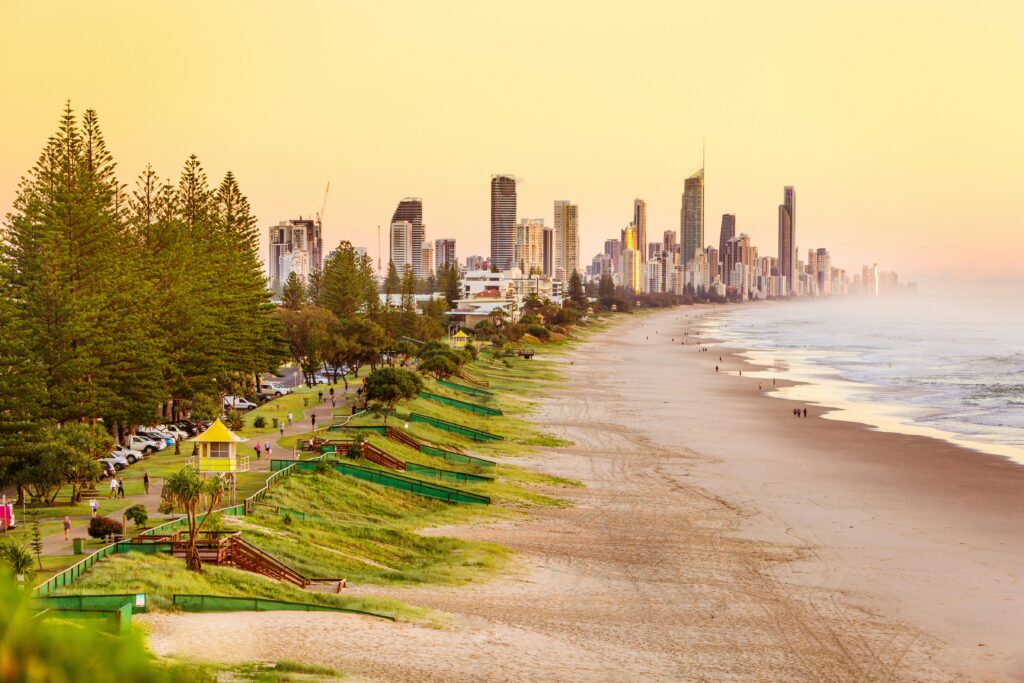
The Gold Coast runs 57 kilometers of uninterrupted Pacific beach south of Brisbane — consistent surf breaks, year-round warmth, and a beach culture that treats the ocean as infrastructure rather than a tourist attraction. Surfers Paradise is the most famous strip; Burleigh Heads and Coolangatta are where the locals actually surf. Australia isn’t cheap — but the Gold Coast delivers genuine beach value relative to what it charges. Full guide coming soon.
New Guides Dropping — Be the First to Know
Subscribe and we’ll send you each new destination guide when it drops — plus the budget travel cheat sheet, free.