
The World’s Best City Destinations — Ranked by Value
$1 tacos in Mexico City. $2 subway rides in Tokyo. Free museums in London. $3 street food in Bangkok. The world’s greatest cities — ranked by what they actually cost, not what their reputation suggests.

What Makes a Great Value City Destination?
Not the number of Michelin stars. Not the hotel lobby. The combination of cultural depth, food quality, transit accessibility, and what it realistically costs to spend a week there. We’ve verified the numbers at all 10 destinations and scored each one honestly — so you can compare cities the way they should be compared.
The most expensive city destinations are not always the best ones — and the most affordable are rarely as limited as their reputation suggests. Mexico City scores 9.4 — the highest in the index — while delivering a food scene, museum culture, and neighborhood energy that rivals any city on earth at a fraction of the cost. Tokyo, widely assumed to be expensive, is one of the most affordable major cities in the world for food, transit, and cultural experiences. Bangkok outscores New York on every value metric while matching it on energy and density. Our rankings reflect what cities actually deliver per dollar spent, not where the algorithm sends people.
The Urban Travel Rankings
10 guides, ranked by VacayValue Score. Every guide includes verified costs, honest hotel picks, and our take on what’s worth doing — and what to skip.
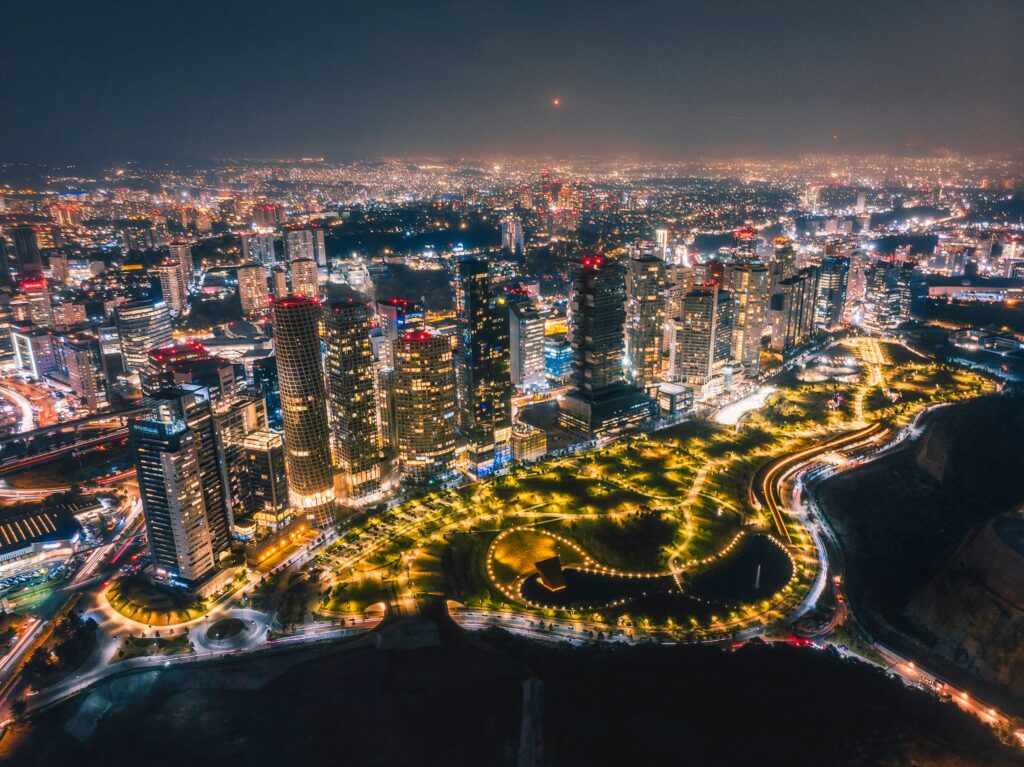
Mexico City scores 9.4 — the top mark in the VacayValue urban index — because nothing else combines this level of food culture, museum depth, neighborhood variety, and daily affordability in a single destination. Tacos al pastor run $1. The Museo Nacional de Antropología is one of the great museums in the Western Hemisphere and free on Sundays. Mezcal bars in Condesa charge $6 a pour. The city’s murals, markets, and colonial architecture are free to walk through. At these prices, CDMX isn’t a budget compromise. It’s the full package at a fraction of what comparable cities charge.
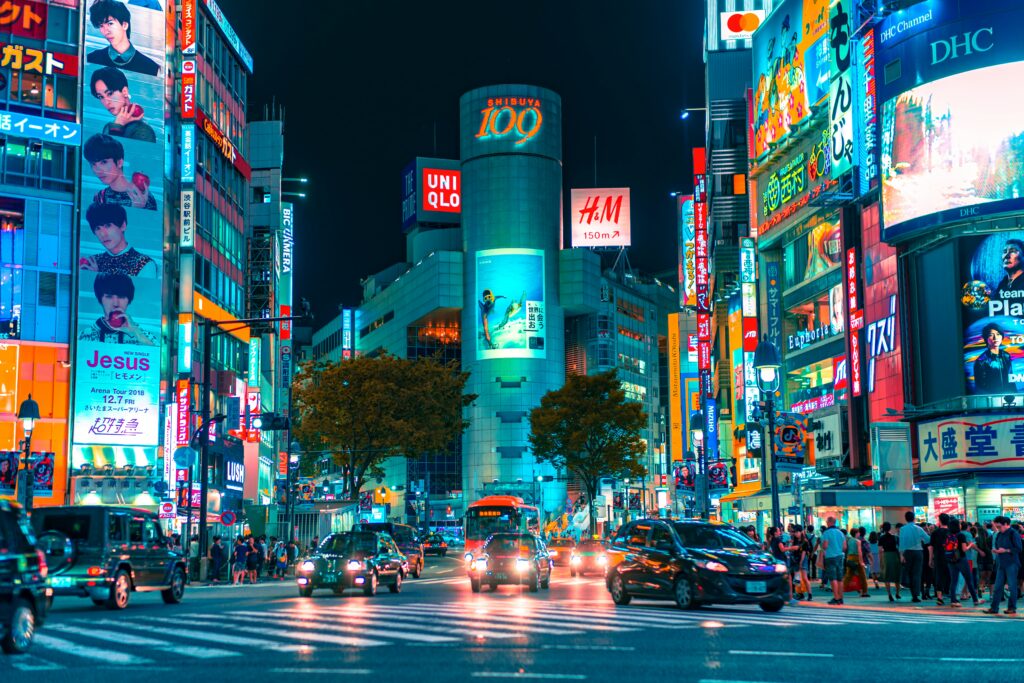
Tokyo scores 9.2 for one reason: the gap between what it delivers and what people expect it to cost is wider than any other major city on earth. A Michelin-starred ramen bowl costs $12. The subway goes everywhere for $2. World-class museums run $5–$15. Shibuya Crossing, Senso-ji Temple, Shinjuku’s neon corridors, and the fish market at Toyosu are all either free or minimal cost to experience. The most visually extraordinary urban environment on the planet — accessible on a budget that would embarrass most European capitals.
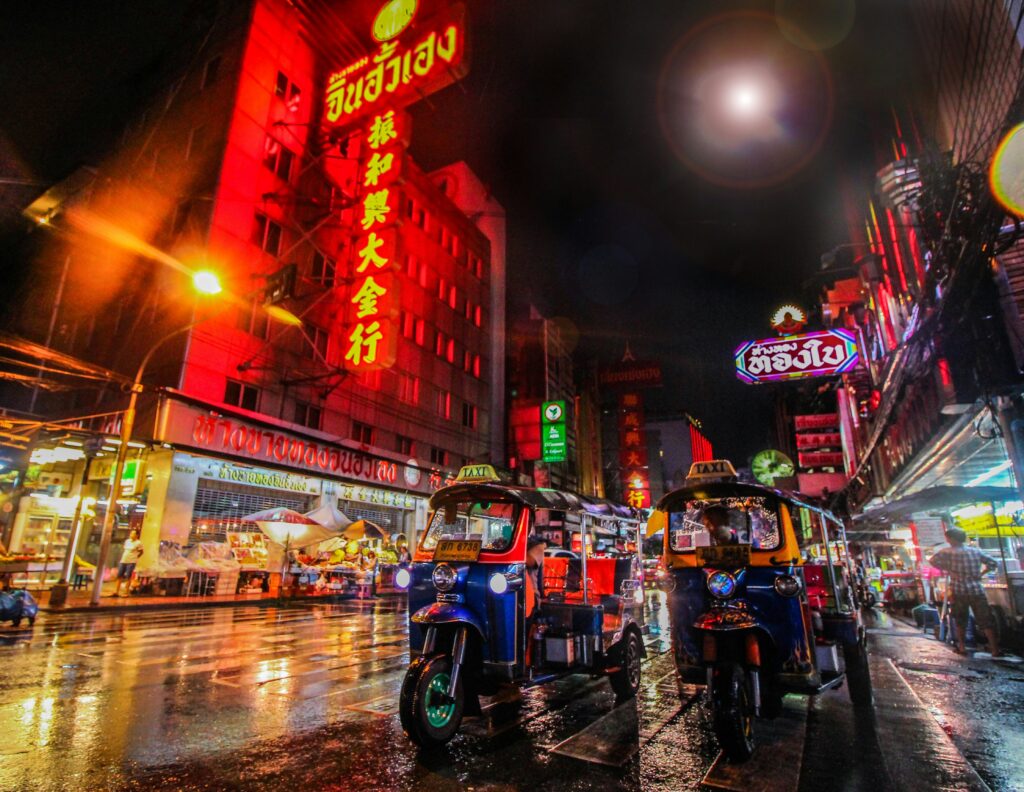
Bangkok is the highest-value major city in Southeast Asia — a metropolis of 10 million with a street food culture that operates at $1–$3 per dish, a river ferry system that costs $0.50, and a concentration of Buddhist temples, rooftop bars, and night markets that makes every day feel like three cities stacked on top of each other. The gap between what Bangkok delivers and what it costs to be there remains one of travel’s great underreported facts.
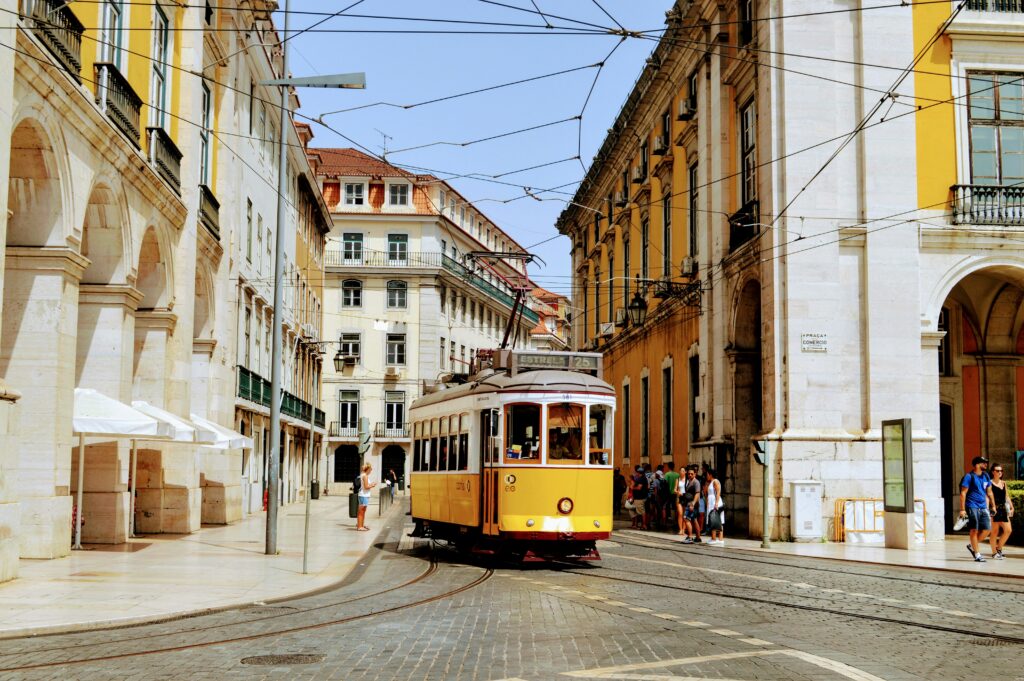
Lisbon is the last major Western European capital where a full meal with wine costs $15, a historic neighborhood tram ride costs $3, and a view of the Tagus estuary from a hilltop miradouro is completely free. The city’s combination of Moorish architecture, Atlantic seafood culture, Fado music venues, and cobblestone neighborhoods is unique in Europe — and the prices are still a full generation behind what comparable cities charge.
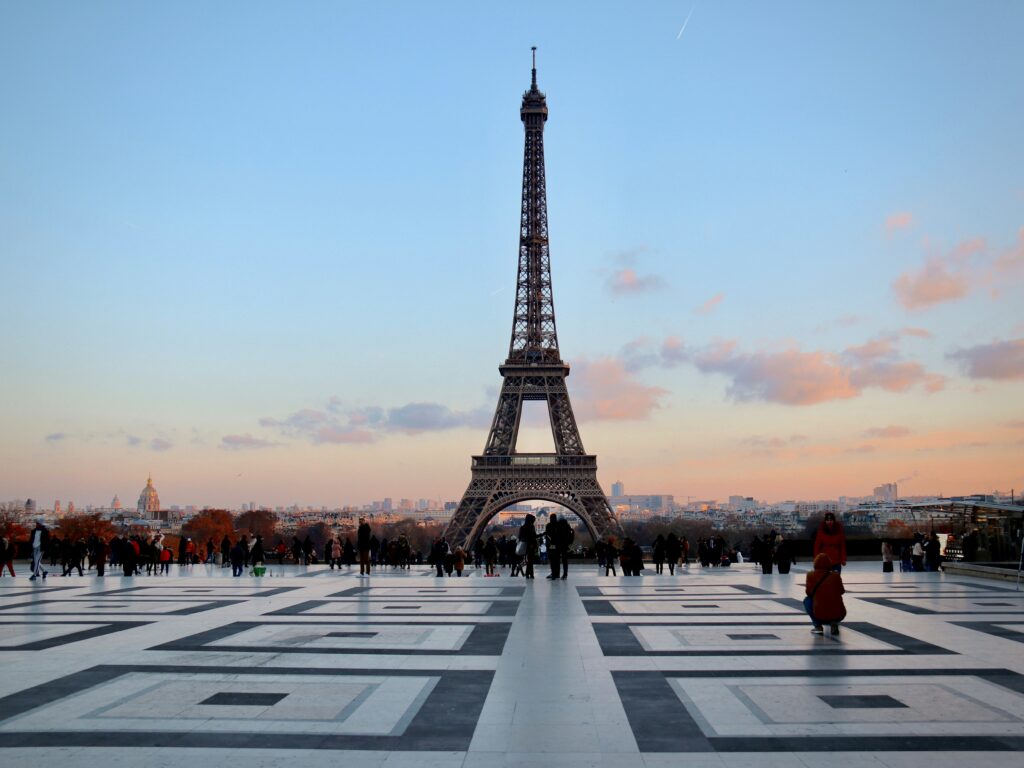
Paris has a reputation for expense that obscures a significant truth: the city’s greatest experiences are disproportionately free or very cheap. The Louvre is free for under-26s and on the first Sunday of each month. The Seine riverbanks, the Marais, the Luxembourg Gardens, and the view of the Eiffel Tower from Trocadéro cost nothing. The bakery croissant is $1.50. Where Paris gets expensive is accommodation — and that’s a booking decision, not a city-level verdict.
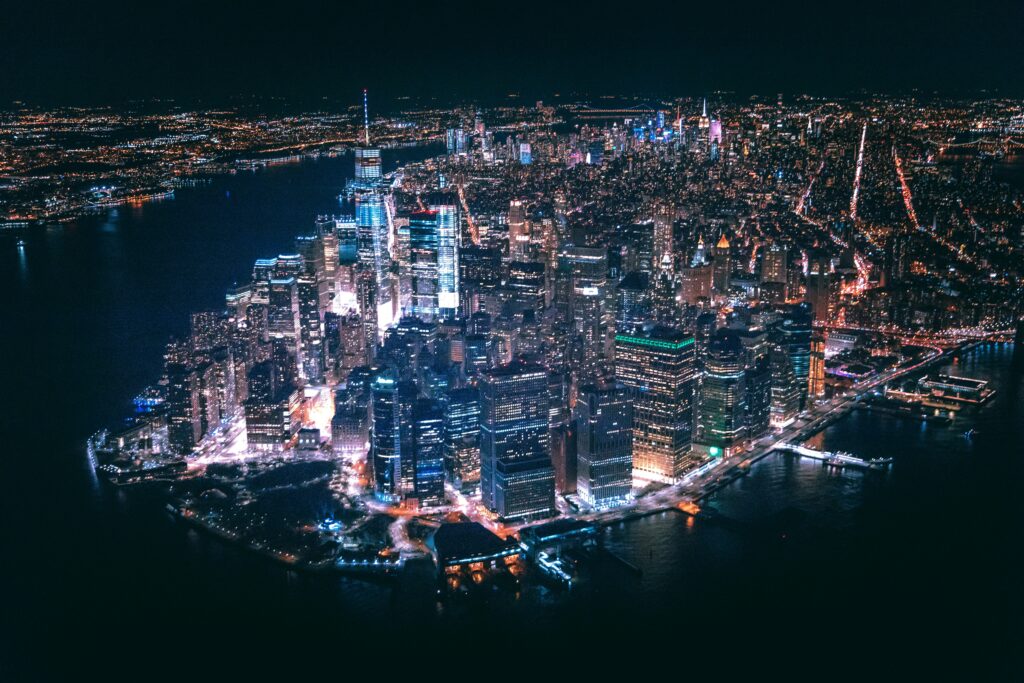
New York is genuinely expensive for accommodation — there’s no workaround for that. Everything else is more negotiable than people expect. The Met, MoMA, and the Natural History Museum are pay-what-you-wish or free on select days. The High Line, Central Park, Brooklyn Bridge, and the Staten Island Ferry view of the Statue of Liberty are free. A $3 pizza slice from a proper NYC joint is one of the best meals in American cities. NYC rewards the traveler who knows where the money actually needs to go.
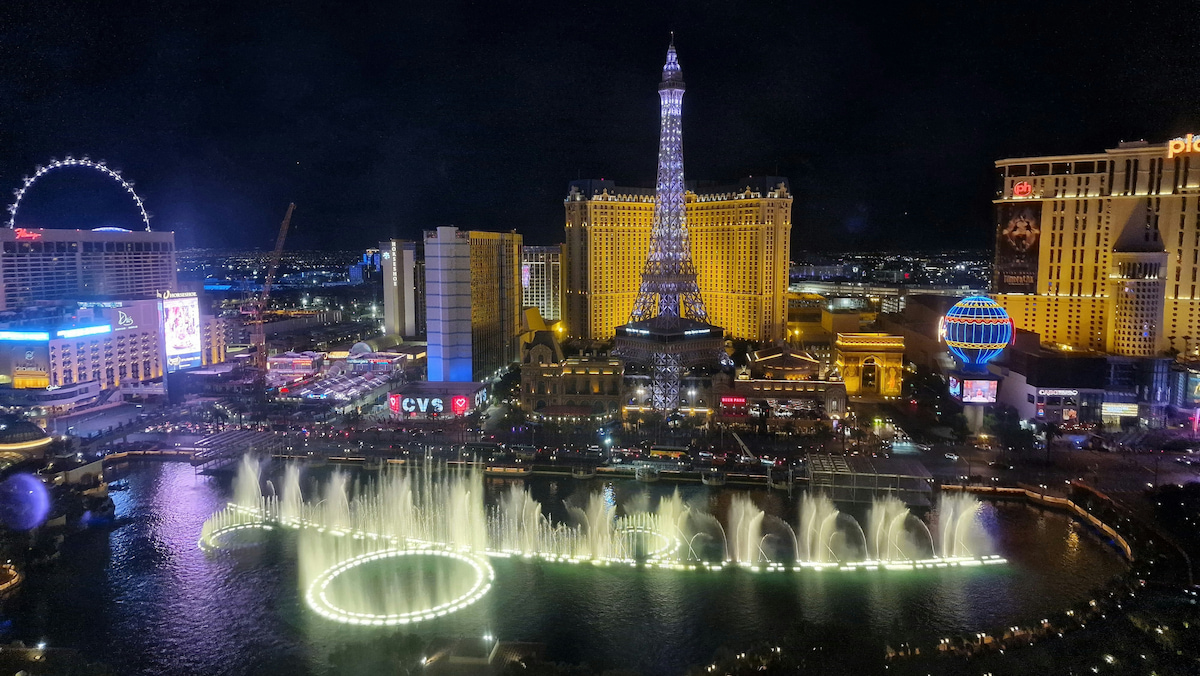
Las Vegas is the only destination in the index where flights are cheap from almost every US city, the entertainment is extraordinary, and the biggest costs are entirely avoidable if you know what to skip. The Strip’s free attractions — the Bellagio fountains, the Mirage volcano, the casino floors themselves — rival paid experiences anywhere. The food scene has quietly become one of the best in the country. Where Vegas turns expensive fast: resort fees on every hotel room, overpriced drinks on the casino floor, and any restaurant with a celebrity name above the door.
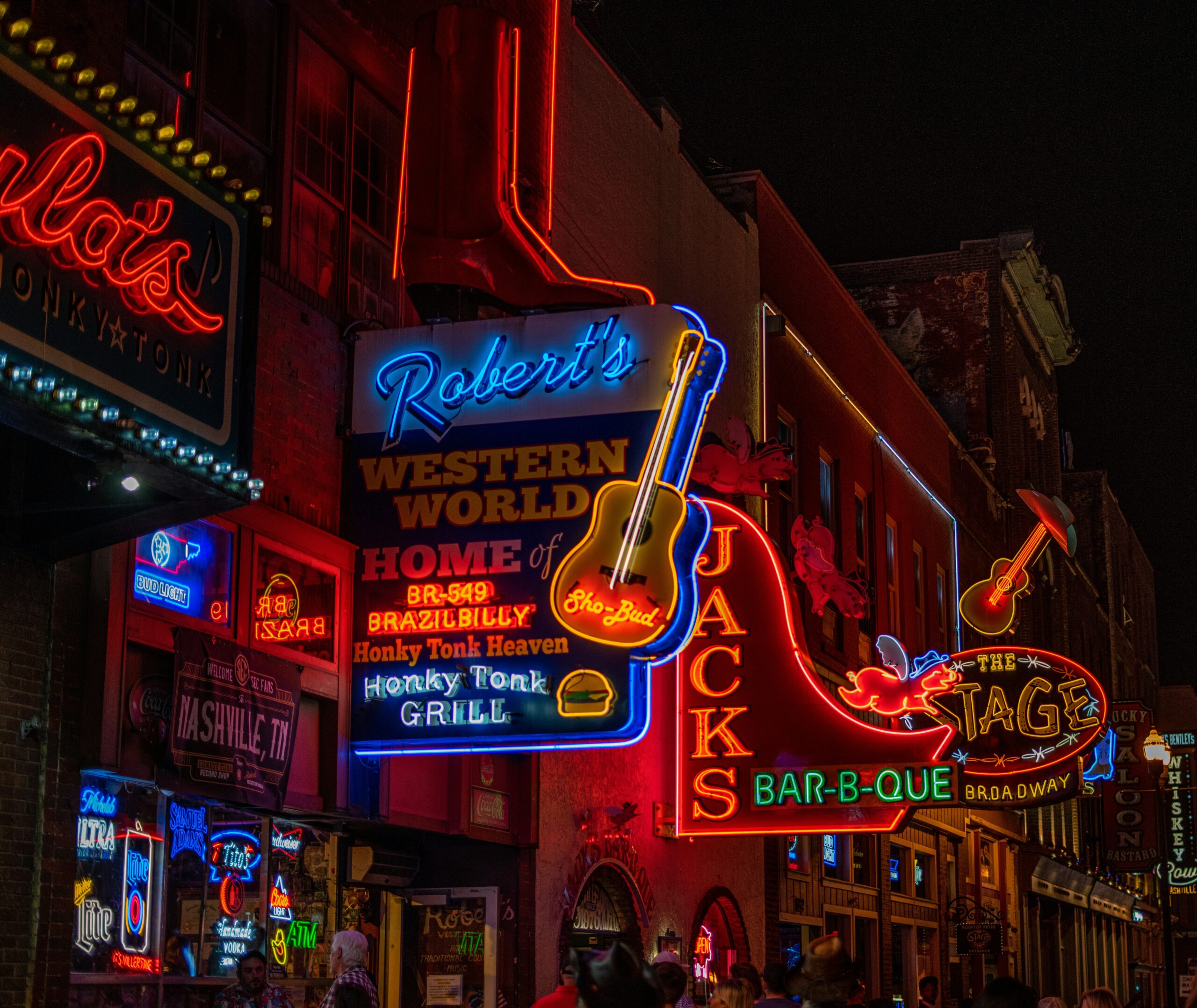
Nashville’s Broadway strip is one of the most concentrated free entertainment zones in American travel — dozens of honky-tonks with live music from noon until 3am, no cover charge at the door. The hot chicken at Prince’s or Hattie B’s is a genuine American culinary landmark. The Country Music Hall of Fame is worth the $30 admission. The rest of Nashville — Centennial Park, the Parthenon replica, the Seigenthaler pedestrian bridge at dusk — costs nothing. Flights are cheap from most of the South and Midwest, keeping the trip cost approachable at every tier.
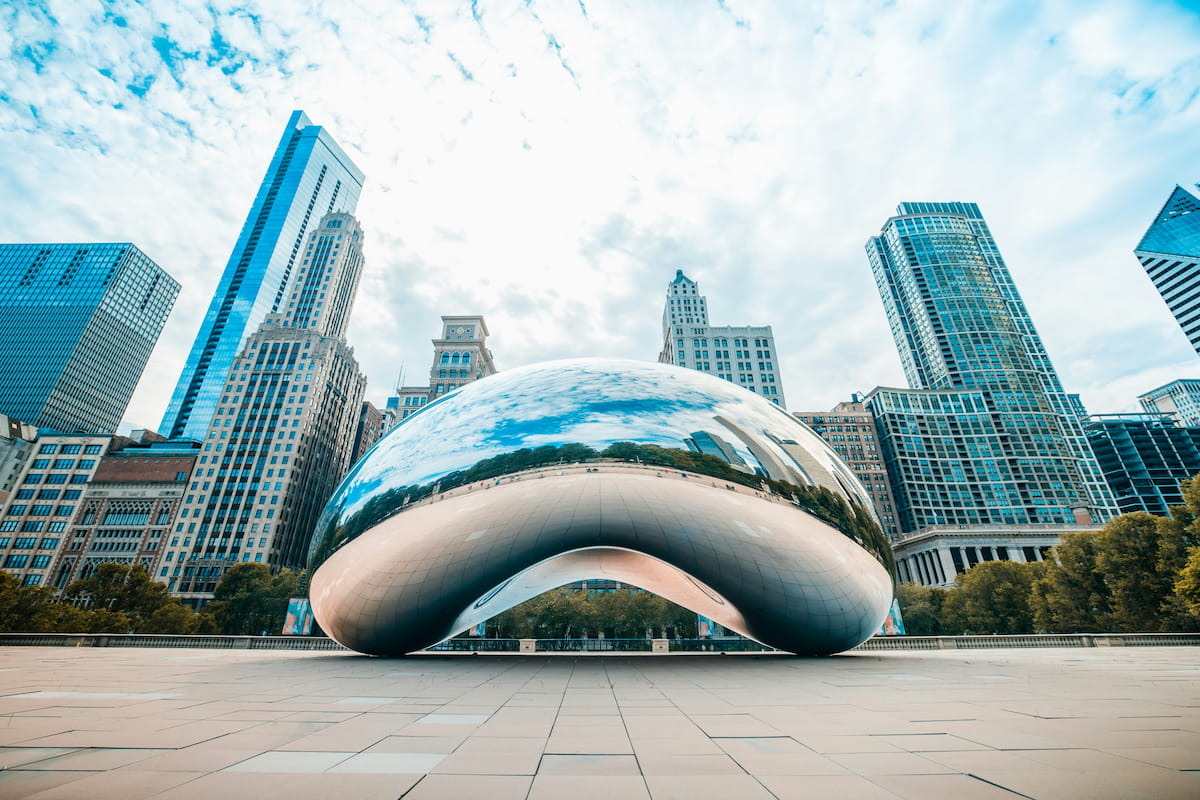
Chicago scores well on cultural value — the Riverwalk, Millennium Park, and 26 miles of lakefront trail are all free. The Art Institute is $26 and among the best museums in the country. The architecture boat tour is $50 and genuinely delivers. Where Chicago’s score drops is accommodation: Loop and River North hotels push the trip budget up compared to Nashville or Las Vegas at similar quality levels. The food scene is exceptional value — deep dish, Chicago-style hot dogs, and Italian beef sandwiches are all under $20 — and the L train covers the city for $2.50 a ride.
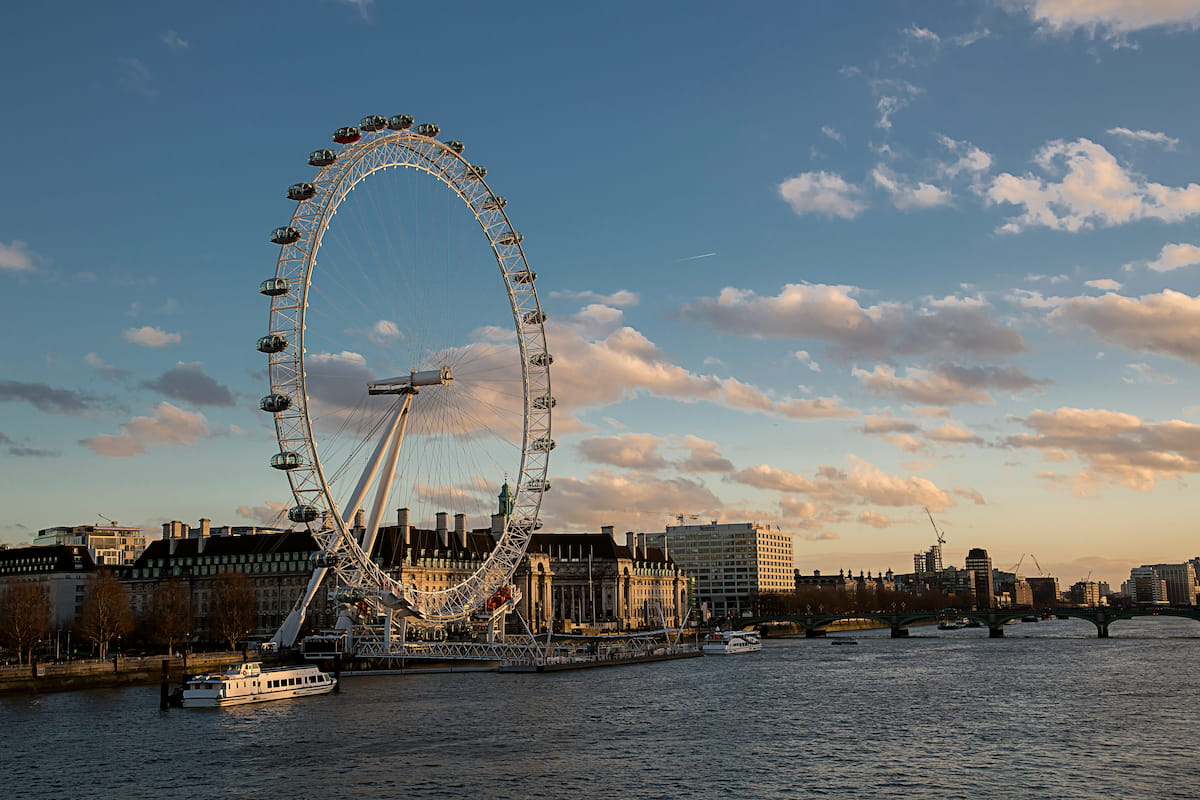
London’s score reflects a genuine tension: the city delivers more free world-class cultural experiences than almost any other capital, then charges accordingly for everything surrounding them. The British Museum, Natural History Museum, Tate Modern, National Gallery, and Victoria & Albert are all free. The Tower of London, Kew Gardens, and Warner Bros. Studio Tour are not — and neither is the Tube, accommodation, or a round of drinks at a pub. The traveler who front-loads free cultural experiences and books lodging outside Zone 1 finds London far more manageable than its reputation. Everyone else pays for it.
More Guides Coming — Be the First to Know
Subscribe and we’ll send you each new destination guide when it drops — plus the budget travel cheat sheet, free.