
Tokyo 2026: The Most Underpriced World-Class City on Earth
Michelin meals under $15. The best transit on earth. A city that keeps revealing new layers no matter how long you stay. Here’s how to do Tokyo right — without the tourist markup.
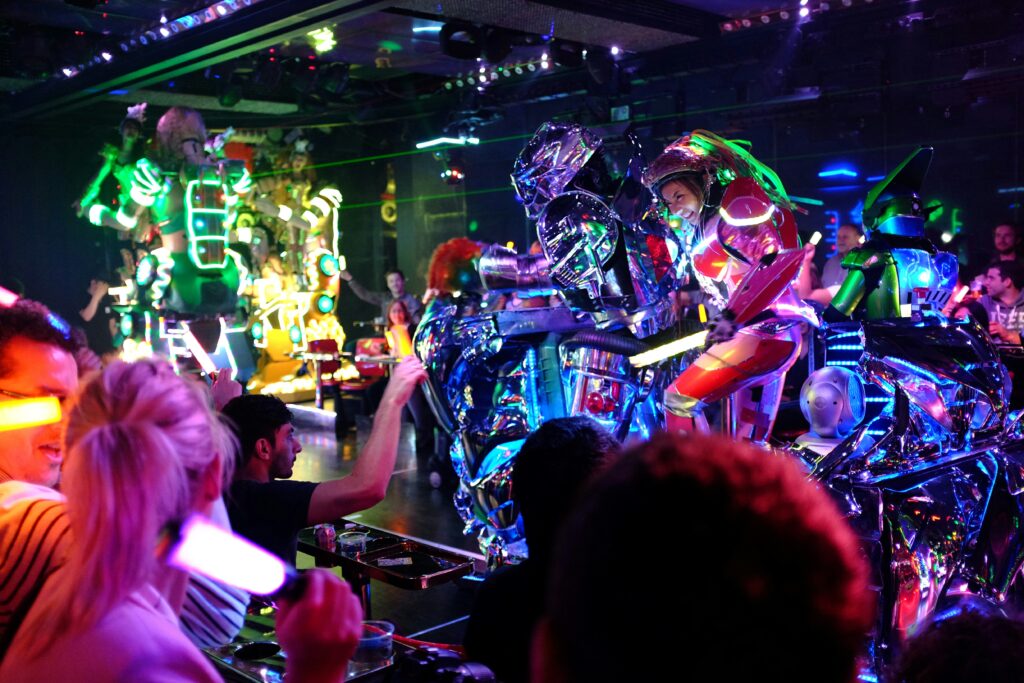
It’s 11pm and you’re sitting at a counter in a basement ramen shop in Shinjuku. The bowl in front of you took the chef 18 hours to make. It cost $12. The guy next to you is a salaryman in a suit who comes here every Tuesday. You’ve been in Tokyo for four days and you haven’t spent more than $70 in a single day. You’re starting to think you should have stayed longer.
Tokyo is the most underpriced world-class city on earth. The flight is long and the jet lag is real — but once you’re there, your money goes further than almost anywhere else at this level of quality. Michelin-starred meals under $15. A transit system so good you’ll never need a taxi. Neighborhoods that could each fill a week of exploration. Most people who visit once start planning their return trip before they land home.
What’s In This Guide
📅 Best Time to Visit Tokyo
Sweet spot: May, September, October, November. Perfect temperatures, manageable crowds, and the city looks its absolute best. Cherry blossom season (late March–April) is magical but requires booking 3+ months ahead and accepting 30–50% higher hotel rates.
Where to Stay in Tokyo
Tokyo’s hotel value is genuinely remarkable at every price point. A $150/night hotel here is cleaner, better located, and more thoughtfully designed than a $250/night hotel in most European cities. Shinjuku and Shibuya are the best bases for first-timers — central, transit-connected, and endlessly walkable. Prices verified March 2026 for dates 2–3 months out.
Dormy Inn is Japan’s best-kept secret for budget travelers. This Shibuya location has natural hot spring baths, a sauna, and free late-night ramen service — all at rates that would be impossible in any comparable city. Situated on a quiet side street between Shibuya and Harajuku, you’re walking distance from the scramble crossing, Takeshita Street, and Yoyogi Park. Nothing at this price point in Tokyo competes with it for amenities.
Shinjuku is Tokyo’s most complete neighborhood — entertainment, dining, transit, and nightlife all within a 10-minute walk. Granbell is a boutique design hotel that punches well above its price point. Rooftop bar with city views on the 13th floor, thoughtfully designed rooms with floor-to-ceiling windows, and a location in Kabukicho that puts you 4 minutes from Higashi-Shinjuku station and walkable to Golden Gai and Omoide Yokocho. A legitimately good hotel for the money.
Set between the 39th and 52nd floors of a Shinjuku skyscraper, Park Hyatt Tokyo is one of the most iconic luxury hotels in the world — and the setting for Lost in Translation. Recently renovated, it delivers 360-degree city views, a sky-high swimming pool, and the legendary New York Bar for jazz and cocktails above the city lights. At this price it’s not a value play — it’s a bucket-list experience. If you’re going to do it once, do it here.
Get the Budget Travel Cheat Sheet
Booking shortcuts, packing hacks, and money-saving moves our readers use on every trip — free when you subscribe.
15 Best Tokyo Experiences
Tokyo is one of the most generous cities on earth for free experiences. The best neighborhoods, temples, markets, and viewpoints cost nothing. Grouped by cost so you can plan your budget.
The most famous intersection in the world is best experienced twice — once from street level at rush hour, and once from the Starbucks window on the second floor of the Tsutaya building directly above it. At night, the neon, the crowds, and the choreographed chaos of 2,000–3,000 people crossing simultaneously is one of the most electric urban experiences on earth. It costs nothing and takes about 20 minutes to really soak in.
💡 Weekday evenings around 6–7pm have the best crowd density. Weekend nights are less dramatic — too many tourists, fewer commuters doing the real-life version.
Tokyo’s oldest temple is free to enter and open around the clock. The approach through Kaminarimon Gate and down Nakamise Street — lined with vendors selling traditional snacks and crafts — is one of the most photographed walks in Japan. The contrast between the ancient wooden temple and the Tokyo skyline behind it is still genuinely striking even after you’ve seen it in a thousand photos. Go very early morning to experience it without crowds.
💡 The temple grounds at 6am on a weekday are one of the quietest, most beautiful places in Tokyo. Worth a single early alarm. At night the lanterns light up the gate — a different kind of beautiful.
Takeshita Street in Harajuku is Tokyo’s most spectacularly weird fashion district — colorful, loud, and unlike anything in the world. Walk 10 minutes south and you’re on Omotesando, one of the most elegantly designed tree-lined boulevards in any city, with architecture by some of the world’s most celebrated designers. The contrast between the two, walked back to back, captures something essential about Tokyo’s personality that no single neighborhood can.
💡 Harajuku is best on Sunday afternoons. Omotesando is best on weekday mornings when it’s quiet enough to actually appreciate the buildings rather than dodge tour groups.
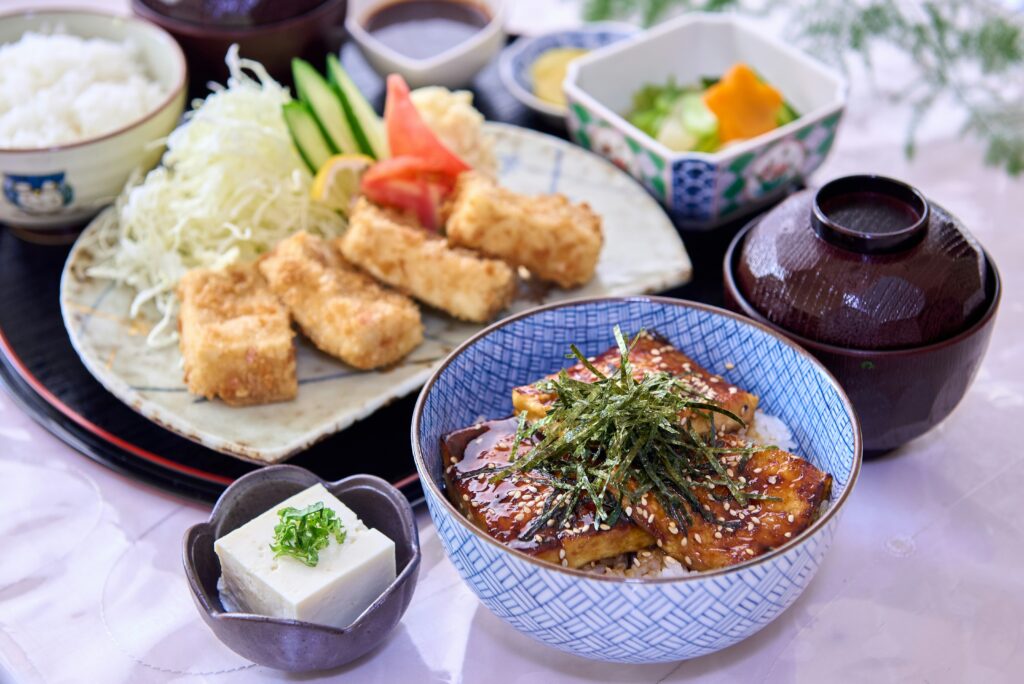
The outer market at Tsukiji is still the best food walk in Tokyo. Arrive at 7am and eat your way through the stalls — fresh tuna sashimi, grilled scallops, tamagoyaki omelets, tamago sushi, matcha soft serve. Budget $15–$20 and leave completely satisfied. One of the most sensory-rich mornings available anywhere in the world, and the entry costs nothing. Note: the inner wholesale market moved to Toyosu in 2018 — the outer market vendors stayed and are still operating.
💡 Most stalls close by noon. Come hungry, bring cash, and don’t skip the fresh tuna sashimi from vendors near the back. Combine with Hamarikyu Gardens (¥300, ~$2) next door if time allows.
The best free city view in Tokyo — 45 floors up, sweeping views of the metropolis in every direction, no admission charge. On clear days you can see Mt. Fuji to the west. Open until 11pm so the night view is available too. The Tokyo Skytree and Tokyo Tower charge $14–$23 for the same general experience. This one costs nothing, and the view is arguably better because you can see both of them from it.
💡 The north tower observatory closes at 5:30pm — go to the south tower which stays open until 11pm. Check the official website for rare closure days before going. Winter mornings offer the clearest Mt. Fuji sightlines.
Yanaka survived both the 1923 Great Kanto Earthquake and WWII bombing, making it the most intact example of Tokyo’s old shitamachi character. Narrow lanes, independent shops, century-old temples, and a cemetery that’s genuinely beautiful rather than somber. This is Tokyo before the neon — and one of the most peaceful, human-scaled neighborhoods in the city. Half a day here provides complete contrast to the sensory intensity of Shinjuku or Shibuya.
💡 Yanaka Ginza shopping street has excellent street food for snacking. Combine with Nezu Shrine (5 minutes away) and Ueno Park for a full, unhurried half-day in old Tokyo.
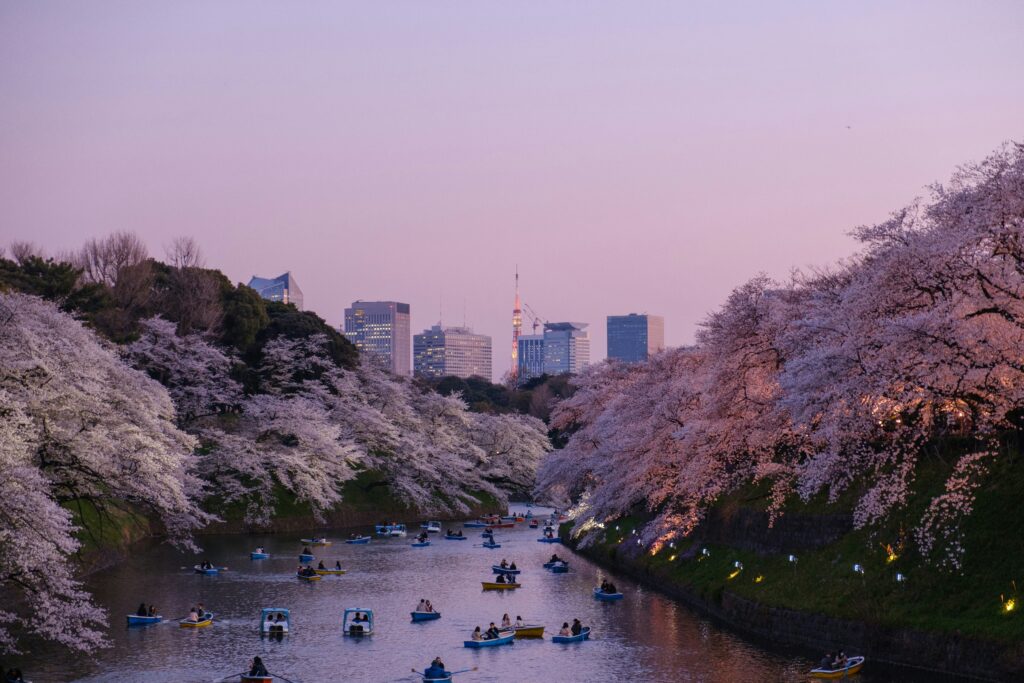
The most beautiful park in Tokyo — 144 acres of French formal, English landscape, and traditional Japanese gardens sharing the same grounds. In cherry blossom season it’s one of the best spots in the city. Year-round it’s the finest antidote to Tokyo’s sensory intensity, a genuinely quiet and green space inside one of the world’s densest urban environments. The ¥500 admission is among the best-value entries in any city on earth.
💡 The greenhouse section has tropical plants that feel surreal surrounded by the Tokyo skyline. Often overlooked by visitors who head straight for the cherry tree lawn. Alcohol is banned in the park — a blessing that makes it noticeably calmer than other hanami spots during blossom season.
Tokyo has more ramen styles than any other city, and doing a dedicated ramen day — three different shops, three different styles (shoyu, miso, tonkotsu) — is one of the best food experiences available anywhere at any price. Budget $35–$45 for the whole day. Ramen Database (ramendb.supleks.jp) is the definitive resource for finding the best shops by neighborhood and style. Nothing on this list delivers more flavor per dollar.
💡 Most serious ramen shops serve lunch and dinner only, and some sell out and close early. Arrive at opening time to avoid waits and guarantee the broth is at its peak. Eat a small bowl so you have room for all three.
teamLab’s immersive digital art installations are genuinely unlike anything else in the world — rooms of infinity mirrors, interactive projections that respond to movement, and installations that dissolve the boundary between art and environment. Planets (Toyosu) is more intense and focused; Borderless (Azabudai Hills, reopened 2024) is the larger, more exploratory experience. Either is worth the ¥4,400 admission — verified at teamlabplanets.dmm.com and teamlab.art.
💡 Book online weeks in advance — these sell out, especially on weekends. Wear comfortable, easily removable clothes. The water installation rooms at Planets require wading, so plan footwear accordingly.
Nikko is two hours from Tokyo by train and contains some of the most elaborate shrine and temple architecture in Japan — surrounded by mountains and old-growth cedar forests. The Nikko Pass World Heritage Area (¥3,000) covers trains from Asakusa and buses within the heritage zone. The All Area Pass (¥8,000, increased from ¥4,520 in 2025) also covers outlying areas including Chuzenji Lake. For a first visit, the World Heritage Area pass covers everything essential.
💡 Note: the Akechidaira Ropeway near Chuzenji Lake is suspended for renovation from January 2026 through August 2027 — factor this in if that was a specific draw. Buy the Nikko Pass at Tobu Asakusa Station before departure.
Opened in February 2024, Toyosu Manyo Club is Tokyo’s most accessible and modern onsen complex — a sprawling multi-floor facility in the Toyosu waterfront district with indoor and outdoor baths, a rooftop foot bath with harbor views, and water sourced daily from Hakone’s renowned hot springs. Open 24 hours, it’s one of the few onsens in Tokyo with flexible hours that work for any schedule. A full afternoon or evening here mid-trip genuinely resets tired legs and jet lag.
💡 Tattoos are not permitted in the shared bath areas — this is standard policy across most traditional onsen in Japan. Arrive in the evening to watch the city lights from the rooftop foot bath, then stay for dinner in the on-site restaurant.
The basement food halls of Tokyo’s department stores are among the finest food retail environments in the world. Isetan in Shinjuku, Mitsukoshi in Ginza, and Takashimaya in Nihonbashi each have entire floors of meticulously presented Japanese confectionery, prepared foods, fresh sushi, and sake. This isn’t grocery shopping — it’s a food museum you eat your way through. One of the most distinctly Japanese experiences available in the city, completely free to walk through.
💡 Visit just before closing (around 7:30–8pm) for significant markdowns on prepared foods. The same bento that costs ¥1,500 at noon often sells for ¥750 at 7:45pm — one of the best budget food hacks in Tokyo.
Tokyo has more Michelin stars than any city on earth, and a proper omakase dinner is the culinary experience the city is most famous for. The chef sources fish that morning, prepares each piece in front of you, and serves it at the precise moment it should be eaten. At the $80–$120 entry level, you’re eating at a quality that would cost $400+ in New York or London. This is the one splurge in Tokyo where the value argument is completely one-sided regardless of budget.
💡 Book through Tableall or Omakase.com for English-friendly reservations at vetted shops. Lunch omakase runs 30–40% cheaper than dinner for the same quality — the best single money-saving move for budget-conscious food travelers in Tokyo.
The world’s second tallest structure has two observation decks — the Tembo Deck at 350m (¥2,100 advance, ~$14) and the Tembo Galleria at 450m, available as an add-on for a combined ¥3,500 (~$23) on weekdays. The glass floor section at the Galleria is legitimately vertiginous and unlike the free Metropolitan Government Building view. If you want the premium observation experience with better retail and facilities, this is the one — but only on a clear day.
💡 Buy tickets online in advance for the lower Tembo Deck price — walk-up same-day tickets cost more. The free Metropolitan Government Building observatory gives a comparable panorama for ¥0. Only pay for Skytree if the height and facilities specifically appeal to you.
Tokyo’s position on the Shinkansen network makes Kyoto (2h15m) and Osaka (2h30m) viable day trips. Kyoto for temples, bamboo groves, and traditional culture; Osaka for street food and nightlife that rivals Tokyo. A round trip to Kyoto runs approximately ¥13,320–¥14,570 each way (Hikari/Nozomi, reserved seat) — around $175–$200 total for the round trip. The Shinkansen itself — gliding at 200mph while Mt. Fuji passes the window — is an experience worth buying on its own terms.
💡 For a single round trip, buying individual tickets at the station is usually cheaper than the JR Pass. The JR Pass makes financial sense only if you’re doing 3+ Shinkansen trips between cities on the same trip. Kyoto Station to Nishiki Market is a 20-minute walk — hit the market first thing to beat the afternoon crowds.
Worth It / Skip It
Don’t Make These Mistakes
Not getting an IC Card immediately. A Suica or Pasmo IC card covers every train, subway, and bus in Tokyo — tap in, tap out, no tickets. You can also pay at convenience stores, vending machines, and many restaurants. Load ¥5,000 at the airport and you’re set for days. Travelers who skip this spend 10x more time at ticket machines and miss connections because they’re fumbling with paper tickets.
Underestimating Tokyo’s size. Tokyo is not one city — it’s 23 wards, each the size of a mid-sized city, all merged together. “Nearby” neighborhoods can be 45 minutes apart by train. Plan your days geographically: group everything you want to see in the same area on the same day. Crossing the city multiple times daily burns time and transit budget even with an IC card.
Skipping convenience stores. 7-Eleven, FamilyMart, and Lawson in Japan are not what you think they are. Fresh onigiri, hot sandwiches, genuinely good coffee, soba noodles, prepared bento, steamed buns — all under ¥500 (~$3). Budget travelers should eat at least one konbini meal per day. It’s not a compromise — it’s a uniquely Japanese experience in its own right, and one of the most direct ways to eat like a local.
Not carrying cash. Japan is still significantly cash-based outside of major tourist areas. Many excellent ramen shops, izakayas, and small restaurants are cash-only. Withdraw ¥20,000–¥30,000 from a 7-Eleven ATM on arrival (these reliably accept foreign cards when other ATMs won’t) and keep it on you. Running out of cash at 10pm at a brilliant back-alley izakaya is an entirely avoidable problem.
VacayValue Scorecard — Tokyo
Packing List — Tokyo
Every Sunday: One Destination. One Honest Take.
Join travelers who plan smarter. One email per week — real costs, specific advice, no filler.
Tokyo Is the Best Value World-Class City on Earth. It’s Not Close.
The flight is the biggest cost — and once you land, you’ll realize it was worth every dollar. Nowhere else can you eat at a Michelin-starred counter for $12, sleep in a spotless hot spring hotel for $120, and spend a full day exploring temples, markets, and one of the world’s great cities without spending more than $30 on entry fees combined.
The city rewards curiosity more than almost any destination on earth. Every neighborhood is different from the last. Every alley has something worth discovering. The transit system removes the single biggest friction of city travel entirely — you will never wait for a cab or lose time to traffic. You will not be bored. You will not overpay. You will want to come back.
Go in October or May. Get the IC Card at the airport. Eat at the konbini at least once. Book one omakase dinner, even on a budget. Stay longer than you planned — you’ll still feel like you missed half the city.