🏙️ Urban Travel · Asia Value Showdown
Bangkok vs. Tokyo: Asia’s Two Best Value Cities, Compared
Bangkok vs Tokyo is one of Asia’s great travel debates — and VacayValue scores them identically at 9.2. Here’s exactly what’s different, and which city is right for your trip.
⏱ 12 min read
✅ Updated April 2026
💰 Prices verified April 2026
Asia
Urban Travel
Value Showdown
9.2 VV Score Each
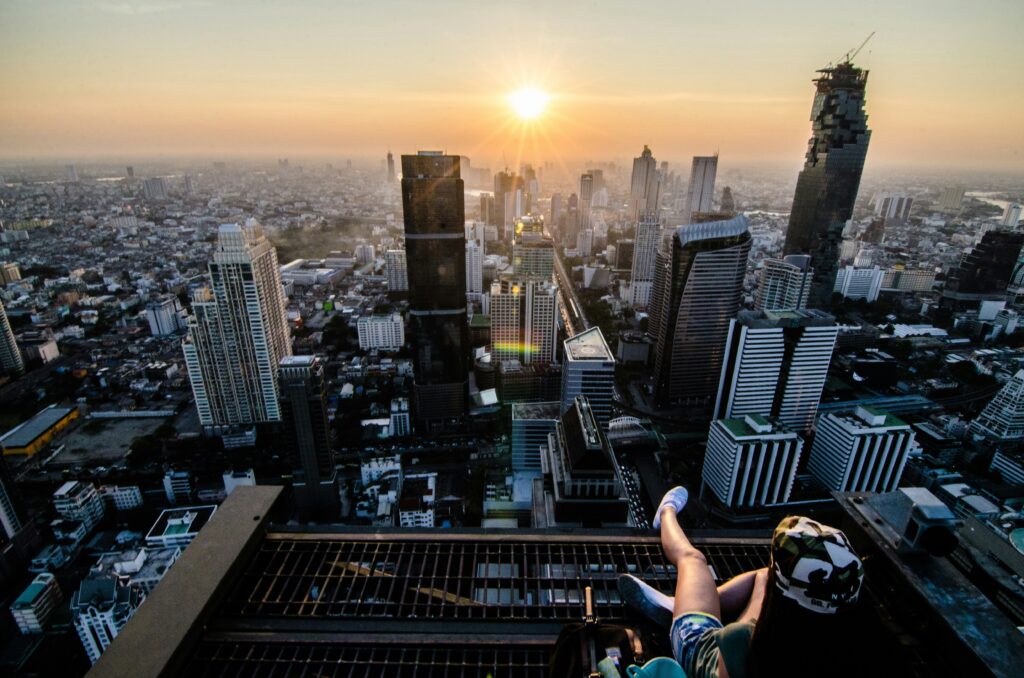
Bangkok, Thailand
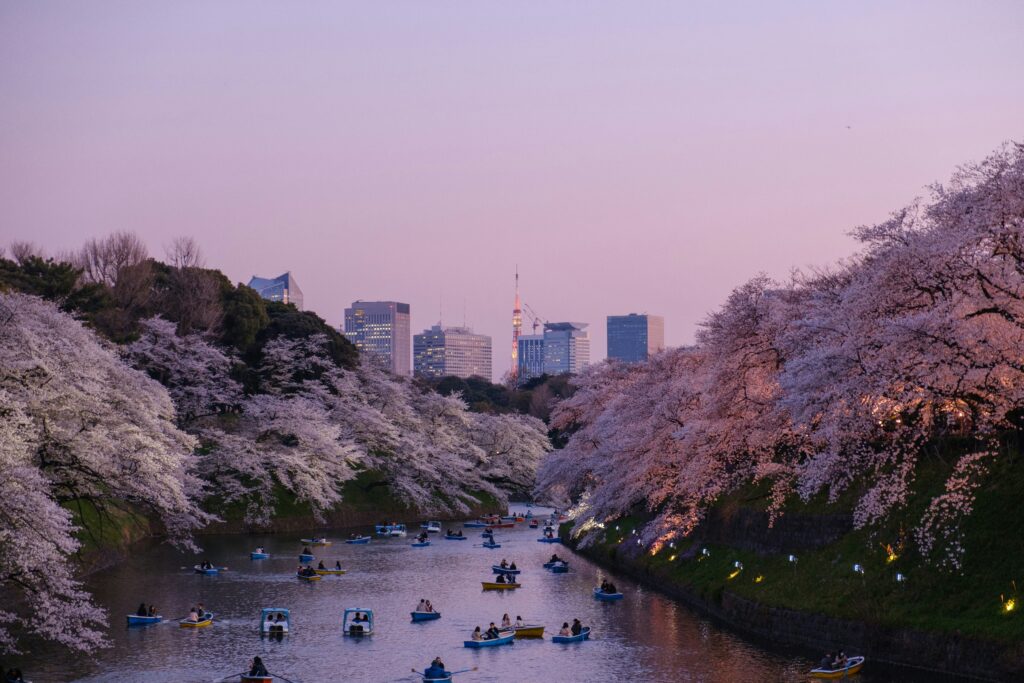
Tokyo, Japan
The most common version of this question goes something like: “We’re finally doing Asia — should we do Bangkok or Tokyo?” The frustrating answer most travel writing gives is “both.” This guide gives you a real one.
Bangkok and Tokyo are the two cities VacayValue returns to most often when someone asks which Asian urban destination delivers the greatest bang for a US traveler’s dollar. The honest reason both keep landing at the top: they’re exceptional at very different things. Bangkok is the city where your dollar goes furthest — where $50 feeds you better than $200 does elsewhere, where hotel rooms at $50/night would cost $180 anywhere else. Tokyo is the city where spending more is still the best value on earth at that tier — where a $12 bowl of ramen carries a Michelin recommendation, and where the transit system alone is worth the flight. Same score. Completely different trips. Here’s how to figure out which one is yours.
Bangkok, Thailand
9.2
VacayValue Score
Cheaper Daily
Best Food Value
Tokyo, Japan
9.2
VacayValue Score
Best Transit
Most Distinctive
✈ Flights — Getting There
Both routes qualify as proper long-haul travel from the US — you’re committing to a transpacific journey either way. But the experience of getting there differs meaningfully.
✈ Round-Trip Flights from Major US Hubs
Bangkok (BKK / Suvarnabhumi)
$490–$720 per person RT
No nonstop from the continental US. Korean Air via Seoul, Cathay Pacific via Hong Kong, and EVA Air via Taipei are the workhorses — all reliable, all adding a connection and 16–20 hours of total travel time. From the West Coast, add roughly 2 hours versus Tokyo.
Carriers: Korean Air · Cathay Pacific · EVA Air · Thai Airways
Travel time: 16–20 hrs with connection
Tokyo (NRT / HND)
$520–$800 per person RT
United, ANA, and JAL all fly nonstop from LAX and SFO in approximately 11–12 hours — the cleanest long-haul routing available to Asia. From the East Coast, expect a connection or a longer nonstop. Slightly pricier on average, but the routing advantage is real if you’re departing from the West Coast.
Carriers: United · ANA · JAL · Delta
Travel time: 11–16 hrs (nonstop from West Coast)
🤝
Category Verdict
Draw — Both Score 3.5
Bangkok wins on price · Tokyo wins on routing. Advantage depends on your departure city.
💡 Booking Tip
If you’re departing from Los Angeles or San Francisco, the nonstop to Tokyo is a meaningful quality-of-life advantage — 11 hours of continuous flight versus 16–20 with a connection. For East Coast travelers, the gap narrows considerably and Bangkok’s lower average fares tip the balance.
Where to Stay — Dollar for Dollar
This is where the two cities diverge most sharply. Both score 5.0 on Accommodation Value — but they earn that score at completely different price points. Rates verified April 2026.
🏨 Accommodation — Nightly Rate Per Room
Bangkok · Budget
$40–$65/night
Excellent guesthouses, boutique hostels with private rooms, and small hotels with rooftop pools. The Lub d chain and NapPark are the benchmarks — clean, social, well-located.
Tokyo · Budget
$65–$100/night
Capsule hotels and Dormy Inn business hotels dominate this tier. Impeccably clean, meticulously organized, and distinctly small. A genuine cultural experience, not a compromise — but a double bed is a luxury.
Bangkok · Mid-Range
$90–$150/night
Genuinely beautiful boutique hotels, often riverside or canal-side, with rooftop pools that would be luxury amenities elsewhere. The Sala Rattanakosin and Riva Surya are the standards to measure against.
Tokyo · Mid-Range
$160–$240/night
This is where Tokyo’s mid-range starts to feel genuinely excellent — the Andaz Tokyo and Kimpton Shinjuku operate at this price point, with the design, service, and views to justify every yen. Still smaller rooms than you’d expect at this price in the US.
Bangkok · Luxury
$300–$600+/night
The Mandarin Oriental Bangkok is one of the world’s great hotels — and it’s priced well below comparable properties in Paris or New York. The Capella Bangkok and Rosewood are the newer competitors at this tier.
Tokyo · Luxury
$500–$1,000+/night
Aman Tokyo and The Peninsula Tokyo are in genuine conversation with the world’s best hotels. At $700–$1,000/night you’re getting something irreplaceable — but Bangkok’s Mandarin Oriental at $350 gives you 80% of that experience for half the price.
🏆
Edge — Accommodation Value
Bangkok
Both score 5.0 — but Bangkok runs 25–40% cheaper at every tier for genuinely comparable quality.
Food & Drink — The Reason People Come Back
Both cities score 5.0 on Food Affordability — the only maximum score in that category. The rationale is different for each, and understanding the difference tells you a lot about which city matches your eating style.
🍜 Food & Drink — What You Actually Spend
Bangkok
Street food meal
$1.50–$4
Restaurant dinner (mid)
$12–$25
Daily food budget
$15–$30 per person
Bangkok is the world’s cheapest city in which to eat brilliantly. The Yaowarat (Chinatown) stretch alone contains more outstanding $2 meals than most cities have total. A $25 dinner at a riverside restaurant will be one of the best meals you’ve had in years.
Tokyo
Ramen / 7-Eleven meal
$5–$12
Izakaya dinner (mid)
$30–$55
Daily food budget
$25–$50 per person
Tokyo’s value proposition on food is different: it’s not the cheapest, it’s the most extraordinary per dollar at every tier. The city has more Michelin stars than Paris and London combined — many of them accessible under $50/person. A 7-Eleven onigiri at 11pm in Tokyo is better than most sit-down sandwiches in America.
🏆
Edge — Food Affordability
Bangkok
On pure cost, Bangkok wins decisively. Tokyo counters with quality-per-dollar at the mid-to-high tier.
Getting Around — The Gap You Don’t Expect
Transit is where Bangkok and Tokyo diverge most sharply in day-to-day feel. Both cities are entirely navigable without a car — but the experience of getting around differs significantly, and it affects trip quality more than most travelers anticipate.
🚇 Transit — Daily Cost Per Person
Bangkok
$8–$15 /person/day
The BTS Skytrain and MRT cover the main tourist corridors well, and the Grab app fills the gaps efficiently. Budget-friendly and generally reliable — until the traffic doesn’t care. Bangkok’s street-level congestion is legendary and genuinely unpredictable. Budget extra time for anything that requires a taxi or tuk-tuk during peak hours.
⚠️ The river express boat is one of Bangkok’s great hidden transport gems — fast, cheap ($0.50), and immune to traffic.
Tokyo
$10–$16 /person/day
The Tokyo metro is the best urban transit system on earth. No debate. Load a Suica IC card from any machine at the airport, tap in, tap out, and you will never need to think about how to get somewhere again. Trains run on time to the minute. Coverage is comprehensive across all 23 wards. Taxis exist if you forget this.
💡 The Suica card works everywhere — trains, buses, convenience stores, vending machines. Load ¥5,000 at the airport and don’t think about it again.
🏆
Edge — Getting Around
Tokyo
Not close. Tokyo’s metro is the best urban transit system on earth. Bangkok’s is good; Tokyo’s is flawless.
Best Time to Visit — Does Your Window Match?
The cities don’t share a single ideal travel window — knowing when you’re going can tip the decision before anything else does.
📅 Seasonal Timing — When to Go
Nov – Feb
Dry season. Temperatures 75–88°F, low humidity, clear skies. The city is at its most livable. Book ahead — this is peak season for a reason.
Late Mar – Apr & Oct – Nov
Cherry blossoms (late March–April) and autumn foliage (October–November) are the twin peaks. Both windows are spectacular and heavily booked.
Oct – Nov
End of monsoon — still some rain early October but rapidly improving. Fewer crowds than peak, good hotel rates. Often the sweet spot for value travelers.
Dec – Feb
Cold (35–50°F) but dry and manageable. Fewer crowds outside New Year. Good hotel rates. Bring a proper coat — it’s genuinely cold, not just “chilly.”
Apr – early May, Jun – Oct
April is Songkran (chaotic crowds) and extreme heat (95–104°F). June–October is full monsoon — daily downpours, humidity you can wear.
Jul – Aug
Hot (88–95°F), extremely humid, and peak domestic tourist season. Crowds at every major site. The city still works — it’s just the least comfortable window.
💡 The Timing Decision
November is the clearest overlap — Bangkok is entering its best season and Tokyo’s foliage peaks in mid-to-late November, making it genuinely excellent for both. If you’re traveling December through February, Bangkok is at its absolute best while Tokyo is cold but functional — Bangkok wins on weather. April through October, neither city is at its peak, but Tokyo handles its off-season far better than Bangkok handles monsoon.
Experiences & Activities — What Your Days Look Like
Where Bangkok and Tokyo diverge most visibly is in how you actually fill your days. Bangkok’s greatest attractions are overwhelmingly either free or deeply affordable. Tokyo’s standout experiences carry a price — but that price tends to buy something irreplaceable.
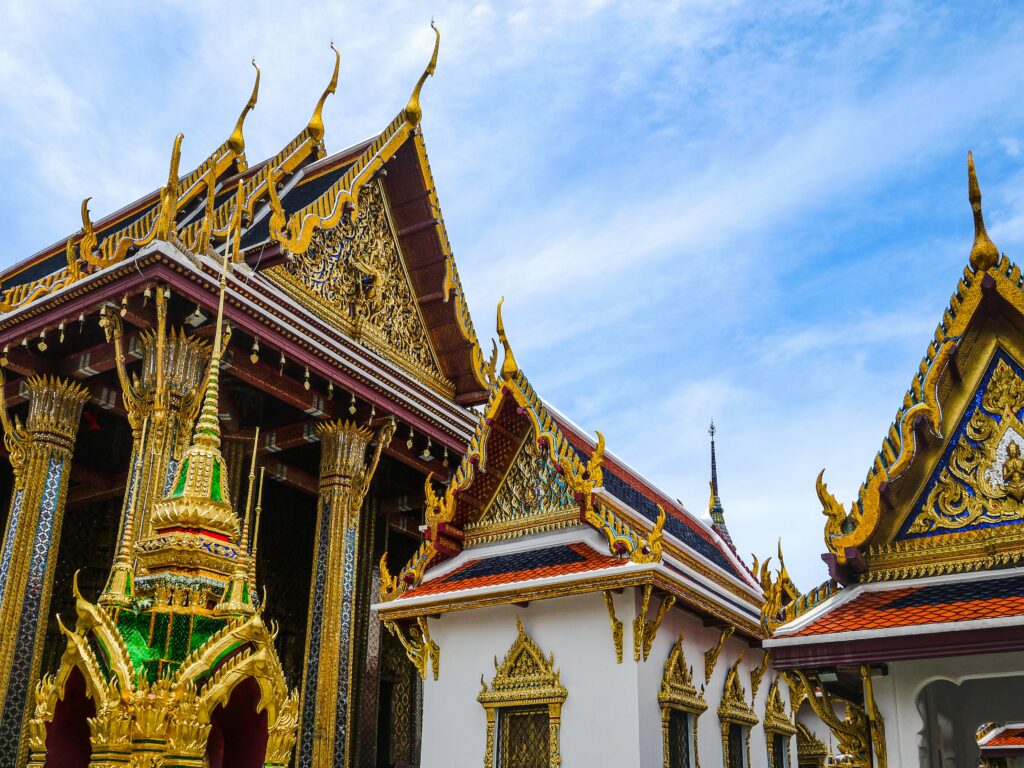
Bangkok, Thailand
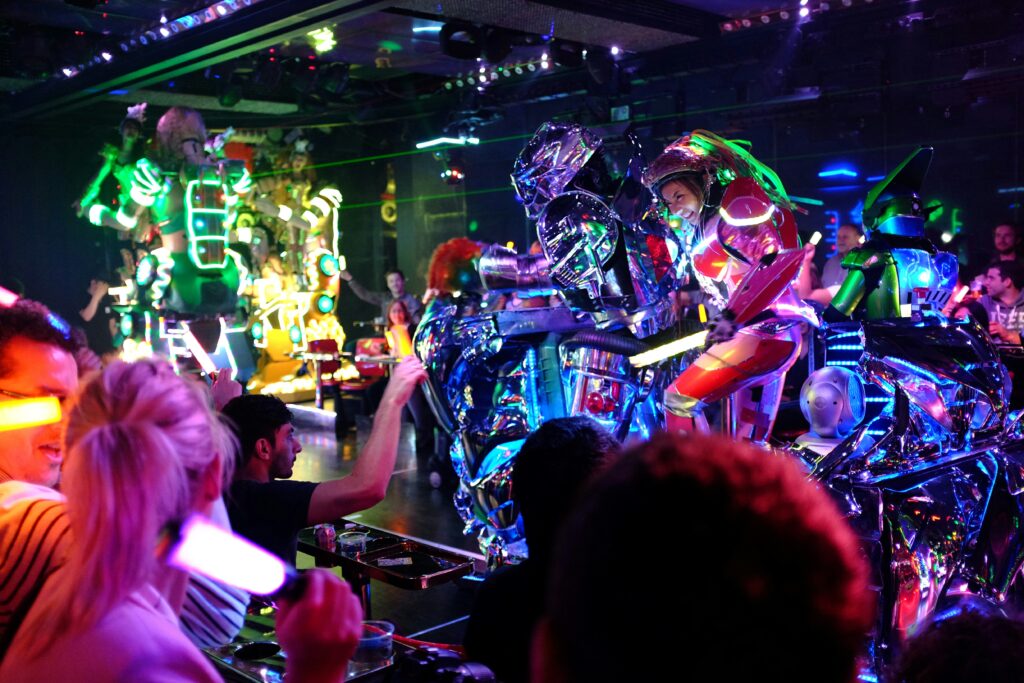
Tokyo, Japan
🎯 Experiences — Activity Cost Score
Bangkok · Activity Cost: 5.0
Bangkok’s greatest trick is making an astonishing amount of its best experiences free or nearly free. Wat Pho (the reclining Buddha) is $6. Wat Arun across the river is $3. The Grand Palace — the most visited site in Thailand — is $16. Chatuchak Weekend Market is free to wander for an entire day. The Chao Phraya riverfront is always free.
Grand Palace$16
Wat Pho (Reclining Buddha)$6
Muay Thai match$30–$50
Thai cooking class$40–$65
Day trip to Ayutthaya$20–$45
Tokyo · Activity Cost: 4.5
Tokyo scores slightly lower on activity cost — not because it’s expensive, but because its most distinctive experiences carry a price. Many temples and shrines are free, but the cultural experiences that make Tokyo singular (teamLab installations, sake breweries, kabuki performances, the Studio Ghibli Museum) require tickets. The payoff is that each of those experiences is genuinely extraordinary.
Senso-ji TempleFree
teamLab Planets (Toyosu)$35
Studio Ghibli Museum$12
Kabuki at Kabukiza$30–$100
Mt. Fuji day trip$50–$80
⚖️
Split Verdict — Experiences
Bangkok on Cost · Tokyo on Memorability
Bangkok scores 5.0 on Activity Cost; Tokyo scores 5.0 on Experience Quality. Depends what you’re optimizing for.
What Your Trip Will Cost — 2 Adults, 5 Nights
The concrete comparison: what a standard 5-night trip costs across both cities, using verified April 2026 pricing. Flights are round-trip per person from a major US hub. All figures approximate — always verify at booking time.
🧮 5-Night Trip Total — 2 Adults
Bangkok
incl. flights, hotel, food, transit, activities
Tokyo
incl. flights, hotel, food, transit, activities
Bangkok Savings
~$500–$800
~$700–$1,100
~$2,200–$6,000
💡 The Budget Takeaway
At the budget tier, Bangkok costs roughly 25–35% less than Tokyo for a comparable trip. At the luxury tier, the gap widens — Bangkok’s Mandarin Oriental experience costs half what Aman Tokyo does.
If budget is a meaningful constraint, Bangkok wins by a margin that matters.
VacayValue Head-to-Head Scorecard
Overall VacayValue Score
The scores are identical. The cities are not. See the Pick Your City section below.
Pick Your City — The Deciding Factors
The score is a tie. The decision isn’t — it just depends on what you’re optimizing for.
Choose This City If…
Bangkok
VV 9.2 · BKK
→Budget matters. Bangkok gives you 25–35% more trip for your dollar at every tier.
→Food is your primary reason to travel. Nowhere else on earth lets you eat this well on this little money.
→You want more for longer. Bangkok’s lower daily costs mean a 7-night trip costs what a 5-night Tokyo trip does.
→Temple culture and river life speak to you. There’s no urban riverfront in Asia more alive than the Chao Phraya.
→You’re comfortable with a bit of chaos. Bangkok rewards those who don’t need everything to run on schedule.
Full Bangkok Guide →
Choose This City If…
Tokyo
VV 9.2 · TYO
→Memorability is the priority. Tokyo experiences carry a distinctiveness that’s genuinely hard to find anywhere else.
→Logistics matter to you. Tokyo’s transit is so good it removes an entire category of trip stress. Nothing runs late.
→You’re departing from the West Coast. The nonstop to Tokyo is a meaningful quality-of-life advantage.
→You want to combine with other Japan destinations. Kyoto, Osaka, and Hiroshima are all Shinkansen-accessible in the same trip.
→You want to spend at the mid-to-high tier. Tokyo’s value proposition gets stronger the more you spend — the gap versus Bangkok narrows.
Full Tokyo Guide →
Before You Go — Practical Essentials
VisaUS passport: 60 days visa-free. No application needed.
CurrencyThai Baht (THB). ATMs widely available; most charge a ~180 THB ($5) fee per withdrawal. Carry some cash — street food stalls are cash-only.
Best TimeNov–Feb (dry season, 75–88°F). Avoid June–October monsoon and April Songkran crowds.
Watch ForTuk-tuk drivers offering “sightseeing deals” near temples — these almost always lead to gem shops or tailor stores. Use Grab for fair-metered rides.
VisaUS passport: 90 days visa-free. No application needed.
CurrencyJapanese Yen (JPY). Japan remains more cash-reliant than you expect — carry yen for ramen shops, temples, and smaller restaurants. 7-Eleven ATMs reliably accept foreign cards.
Best TimeLate March–April (cherry blossoms) or October–November (autumn foliage). Summer is hot and humid; winter is cold but uncrowded.
Watch ForTokyo’s quiet etiquette norms — no eating while walking, no phone calls on trains, trash cans are rare so carry a bag. Small things that matter a lot.
Not Sure Yet? Get the Full Breakdown.
Every Sunday we cover one destination in depth — real costs, honest takes, and the one decision that determines whether your trip works. No filler.
Bangkok vs Tokyo — Common Questions
Is Bangkok or Tokyo better for first-time visitors to Asia?
Both are outstanding first-Asia destinations — but for different traveler types. Bangkok rewards those who want to maximize food experiences, stretch their budget, and embrace a more spontaneous travel style. Tokyo rewards those who want the smoothest possible logistics, the most distinctive urban culture, and a trip that feels genuinely unlike anywhere else. If you’re unsure which describes you, the “Pick Your City” section above is the right place to start.
Is Bangkok cheaper than Tokyo?
Yes, consistently and meaningfully. A 5-night trip to Bangkok costs roughly 25–35% less than an equivalent trip to Tokyo at every budget tier. The biggest gap is food — Bangkok street meals run $1.50–$4 vs $5–$12 in Tokyo. Hotels in Bangkok are also 30–40% cheaper for comparable quality. The gap narrows at the luxury tier but never disappears entirely.
Is it worth visiting both Bangkok and Tokyo on the same trip?
Logistically yes — they’re roughly 3.5 hours apart by air with direct routes. But they’re very different trips, and splitting your time means going deeper in neither. If you have 10+ days, both is a compelling option. Under 10 days, we’d recommend committing to one city fully rather than splitting. Each rewards time spent — Bangkok’s neighborhoods and food scene take days to really settle into; Tokyo could fill two weeks without repetition.
Do US citizens need a visa for Thailand or Japan?
No visa required for either. US passport holders receive 60 days visa-free in Thailand and 90 days visa-free in Japan. Just show up with your passport. No advance applications, no fees, no paperwork — both countries are among the most straightforward entry experiences for US travelers anywhere in the world.
Is Bangkok or Tokyo safer for tourists?
Both are very safe by global standards. Tokyo is one of the safest major cities on earth — petty crime is exceptionally rare, and the city’s culture of order and consideration extends to how tourists are treated. Bangkok is also safe in tourist areas, with the main risks being common tourist scams (gem shop tuk-tuks near temples, “closed today” palace scams) rather than personal safety issues. Both are appropriate for solo travelers, including solo women.
VacayValue Verdict
The Score Is a Tie. The Right Answer Is Personal.
Bangkok and Tokyo are both legitimate answers to “where should I go in Asia?” — and the VacayValue score confirms what the numbers show: they deliver equivalent value by different means. Bangkok does it by costing less. Tokyo does it by being more remarkable at every price point it occupies.
If your trip budget is under $2,500 per person all-in and you want the longest runway for your money, Bangkok is the obvious choice — a genuinely world-class destination at prices that feel almost unreasonable. If your budget is more flexible and you’re chasing the specific kind of distinctiveness that Tokyo has and no other city on earth does, the extra $500–$700 per person is worth every dollar. The city has been the most underpriced world-class destination for decades and the argument for going now is only getting stronger.
“Bangkok is the city where your dollar goes furthest. Tokyo is the city where spending more is still the best value you’ll find at that tier. The question is which one is yours.”
Either way: go. Both cities will reward you more than the research time you’re spending right now. The comparison exists to help you choose, not to delay.
Bangkok
9.2
VacayValue Score
Tokyo
9.2
VacayValue Score