
The World’s Best Family Travel Destinations — Ranked by Value
Nineteen free Smithsonian museums in Washington DC. Bison wandering the road in Yellowstone. Emerald Gulf water and sugar-white sand in the Florida Panhandle. The best family destinations ranked honestly — with real cost breakdowns so you know what you’re getting into before you book.
What Makes a Great Value Family Destination?
The math of family travel is counterintuitive: group size often works in your favor. One hotel room, one rental car, one park pass — split across four people instead of two. The destinations that score highest here do the most with that math, piling on free or low-cost experiences that don’t require four separate tickets to access.
The travel industry adds a “family surcharge” to almost everything — family rooms, kid’s menus, bundled theme park packages. The destinations that beat this pattern are the ones where the main attraction doesn’t come with a ticket. Washington DC has more free world-class museum space than any other city in the Western Hemisphere — nineteen Smithsonian museums, the National Zoo, and every monument on the Mall, all at no cost. Philadelphia puts the Liberty Bell, Independence Hall, the Barnes Foundation on certain days, and Reading Terminal Market within a few blocks of each other. San Diego’s Balboa Park contains seventeen museums and the world’s most visited zoo. These cities didn’t plan to be great for families on a budget — they just are, structurally, and our guides show you how to use that to your advantage.
The Family Travel Rankings
Ranked by VacayValue Score. Every guide includes verified costs, honest accommodation picks, and our take on what’s genuinely worth doing — and what to skip when you’re traveling with kids.

San Diego combines a walkable beach city with one of the most impressive free cultural districts in the country — Balboa Park holds seventeen museums and the world’s most visited zoo, all within walking distance of each other. The beaches are calm enough for kids, the weather holds steady year-round, and Torrey Pines State Reserve offers free coastal hiking above the Pacific. The San Diego Zoo is genuinely one of the best in the world; the San Diego Zoo Safari Park adds a second full day if your family wants more wildlife. Birch Aquarium at Scripps, USS Midway Museum, and the free tide pools at Cabrillo National Monument round out a week without even reaching for a theme park. LEGOLAND California is 30 minutes north in Carlsbad.
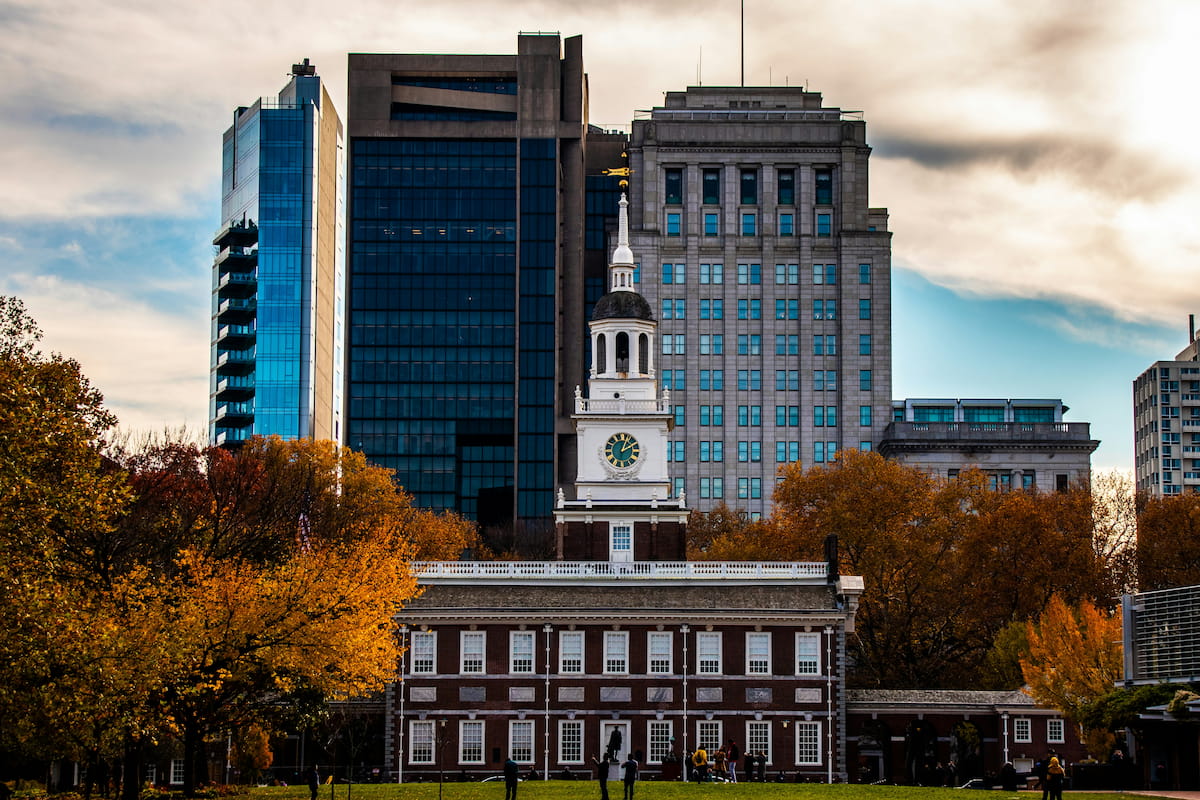
Philadelphia is the most underestimated family destination in the Northeast — a compact, walkable city where the best things to do cost nothing. The Liberty Bell and Independence Hall are free. The Philadelphia Museum of Art is free the first Sunday of every month. The Please Touch Museum and the Franklin Institute are excellent paid attractions that hold kids’ attention for a full day each. Reading Terminal Market is one of the great food halls in America, where a family can eat extraordinarily well for very little. The Mural Arts Philadelphia program has turned the city into an outdoor gallery, and the neighborhoods — Old City, Fishtown, South Philly — each have a distinct character worth exploring with kids who can keep up. Two hours from New York City by train; easy Amtrak access from DC.
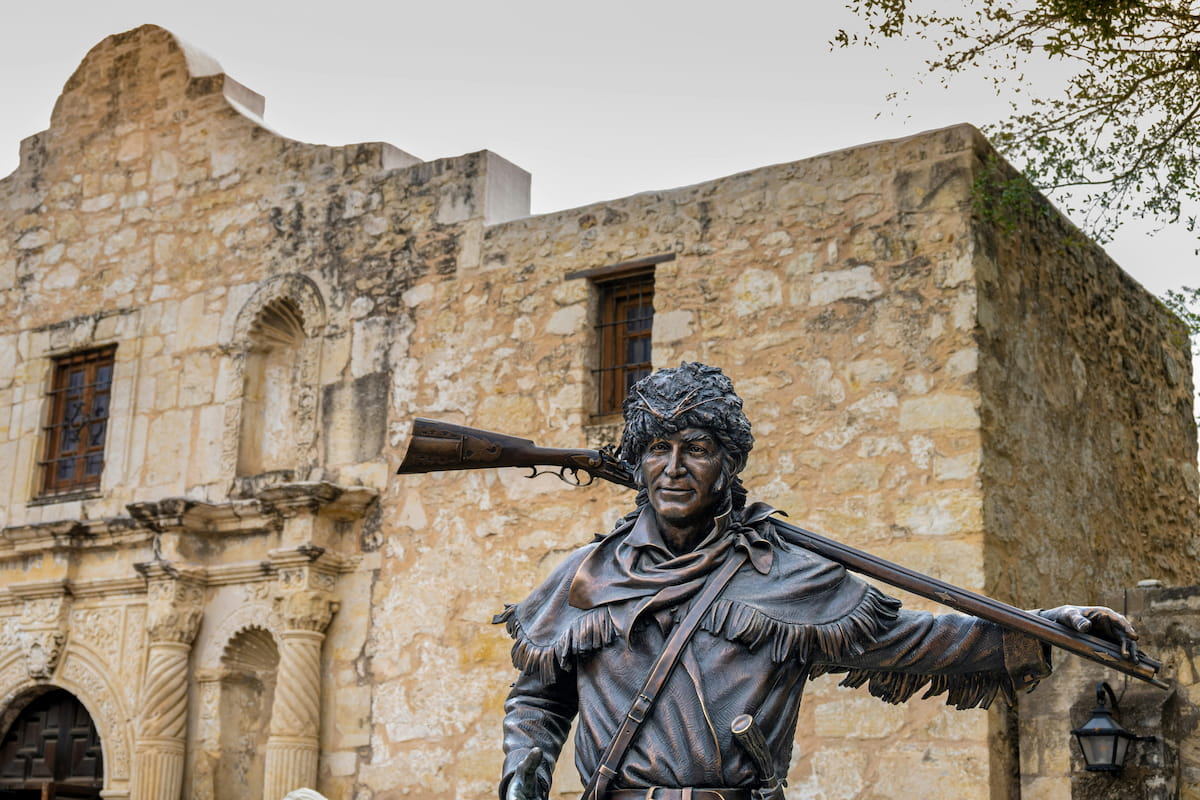
San Antonio delivers a surprisingly complete family trip without the price tag of other major Texas cities. The Alamo is free and central to every kid who’s ever studied Texas history. The River Walk is a 15-mile network of restaurants, shops, and attractions running below street level along the San Antonio River — the family-friendly stretch near the Rivercenter Mall is stroller-accessible and lit beautifully at night. Six Flags Fiesta Texas and SeaWorld San Antonio are both within 20 minutes of downtown, making a multi-day theme park add-on easy to build. The San Antonio Zoo, Natural Bridge Caverns, and Morgan’s Wonderland (the world’s first fully inclusive theme park) fill out a week without effort. The food — Tex-Mex at its most affordable and authentic — is reason enough to visit.
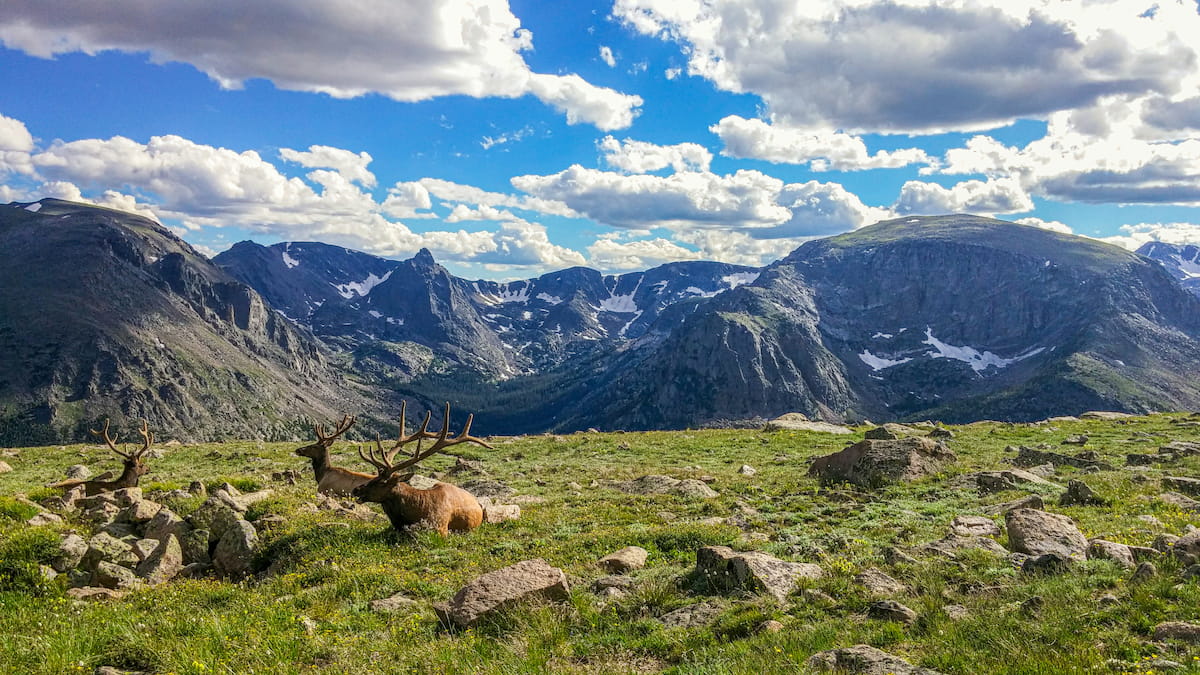
Denver works as a family destination in two distinct modes: as a city with genuinely excellent museums and free outdoor spaces, and as the launchpad for Rocky Mountain National Park, Rocky Mountain Arsenal National Wildlife Refuge, and the Front Range trail network an hour in any direction. The Denver Museum of Nature and Science is one of the best natural history museums in the country. The Denver Zoo and Denver Botanic Gardens are both well above average. Red Rocks Amphitheatre is free to visit during the day as a hiking and photography destination. Rocky Mountain National Park is 90 minutes north — Trail Ridge Road crosses the Continental Divide without requiring a single step of hiking, making it accessible to every age and ability level. In winter, world-class ski resorts are 60–90 minutes from the airport.
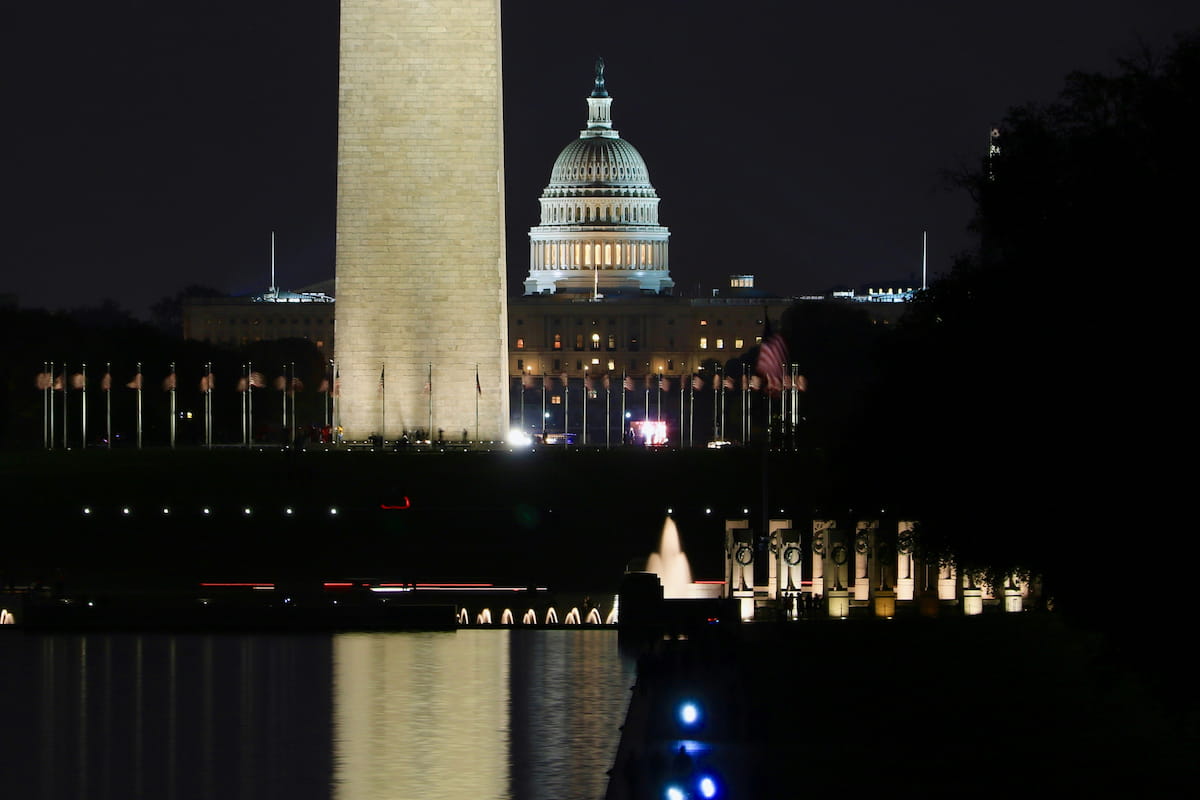
No city in America gives families more for free than Washington DC. The Smithsonian Institution operates nineteen free museums and galleries across the National Mall — Natural History, Air and Space, American History, African American History and Culture, the National Zoo, and more. Every monument and memorial on the Mall is free and accessible around the clock. The challenge of a DC trip isn’t finding things to do; it’s prioritizing and pacing for kids who will hit their limit before the adults do. The National Mall is two miles long — plan for the Museum of Natural History in the morning, lunch at the food trucks, then one monument in the afternoon. The DC Metro is one of the cleanest and most family-navigable transit systems in the country. Hotels near the Mall are expensive; Arlington and Alexandria across the river offer significantly better rates with a quick Metro ride in.
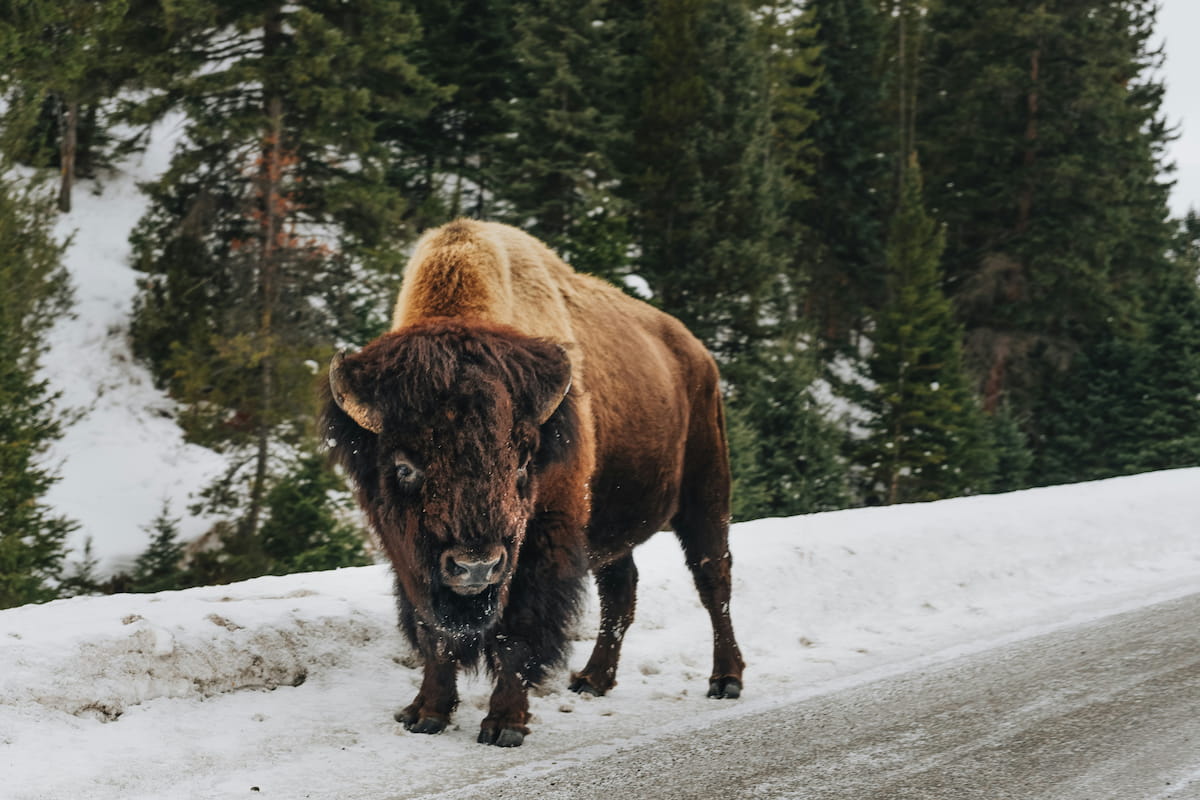
Yellowstone is one of those destinations that genuinely rewires children’s sense of what the earth is capable of — a volcanic hot spot where geysers erupt on schedule, the ground bubbles with mud pots, and the Grand Prismatic Spring turns the landscape into something that looks painted. Old Faithful is exactly as impressive as advertised; the Grand Canyon of the Yellowstone is a surprise the photos don’t prepare you for. The Lamar Valley in the park’s northeastern corner offers the best wildlife density on public land in North America — bison, elk, wolves, and bears visible from the road. Accommodation inside and near the park books out many months ahead; plan accordingly. Getting to Yellowstone is the main logistical challenge — the nearest major airport is Jackson Hole or Bozeman, and a rental car is required throughout.

Williamsburg pulls off a combination no other US destination quite matches: a fully preserved 18th-century colonial capital where costumed interpreters bring American history to life, positioned 10 minutes from one of the best regional theme parks in the country. Colonial Williamsburg spans 301 acres of living history — the Governor’s Palace, courthouse, taverns, and trade shops all staffed by actors in period dress who stay in character. Kids who roll their eyes at “educational” attractions often find themselves fully absorbed. Busch Gardens Williamsburg consistently ranks among the top theme parks in the East for ride quality and European-themed immersive areas. Water Country USA is a solid waterpark add-on in summer. Jamestown Settlement and Yorktown are 15 minutes away if the history appetite holds for longer.
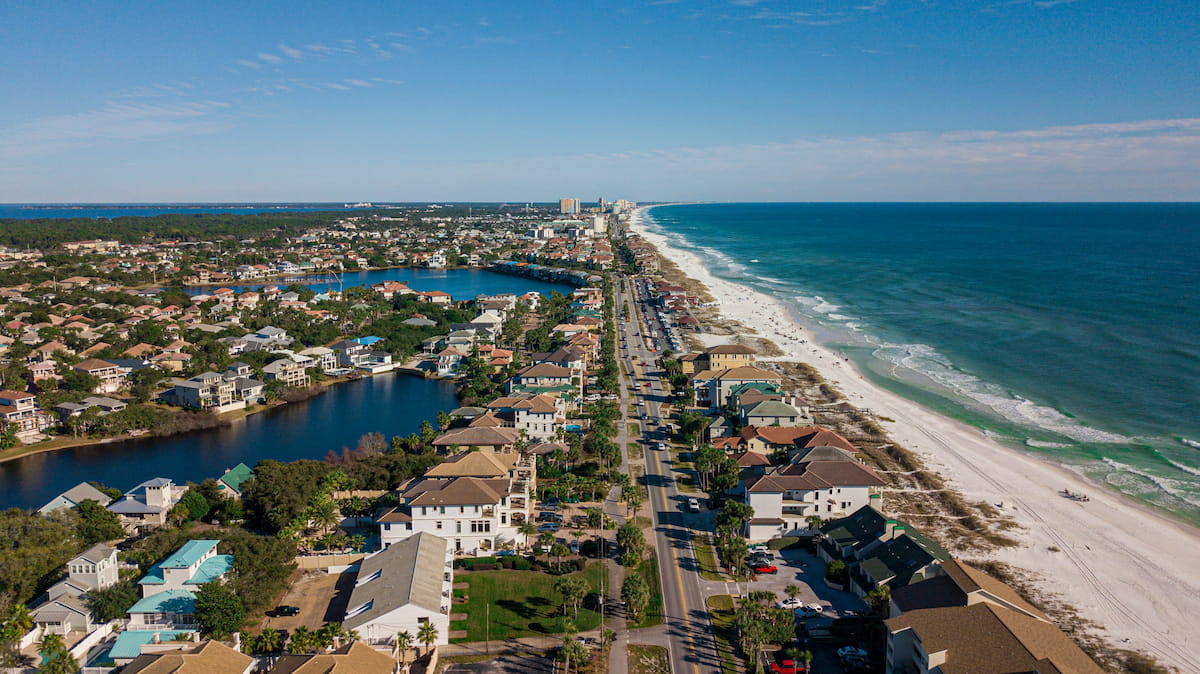
The stretch of Florida Panhandle coastline along Highway 30A and around Destin consistently surprises families who expect a generic beach vacation and find something close to the Caribbean — quartz-white sand, shallow turquoise water warm enough for kids to splash in for hours, and a calm Gulf that rarely produces the surf conditions that make ocean beaches difficult for young children. The 30A corridor between Seaside and Rosemary Beach is architecture-forward and pedestrian-friendly. Destin is more commercial and action-oriented, with a deep-sea fishing fleet, parasailing, jet ski rentals, and a harbor packed with restaurants. Henderson Beach State Park and Topsail Hill Preserve offer free beach access with primitive camping. Best months are May, June, and September — peak summer in July and August brings intense heat and significant crowds.
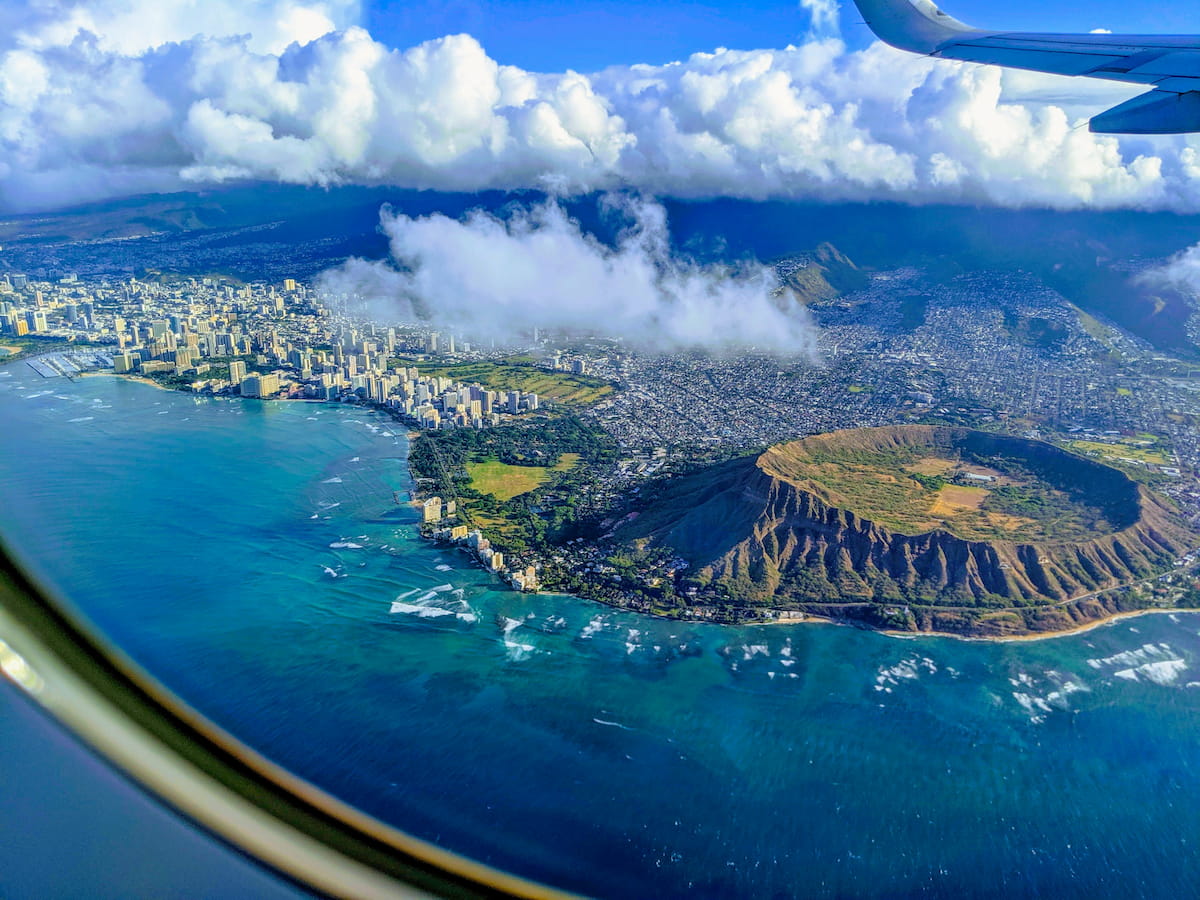
Oahu is the most logistically manageable Hawaiian island for families — a full destination with the infrastructure of a major city wrapped in Pacific island scenery. Pearl Harbor and the USS Arizona Memorial are among the most powerful historic sites in the United States, and the interpretive experience is calibrated well for older kids. Hanauma Bay Nature Preserve offers some of the best snorkeling in Hawaii in a protected, calm bay with good facilities — advance reservations are required and fill quickly. Waikiki Beach is genuinely beautiful and services are dense. The Polynesian Cultural Center on the North Shore provides a full-day immersion in Pacific island cultures. Diamond Head State Monument rewards a short hike with panoramic views across Honolulu. Oahu is expensive at every turn — food, accommodation, rental cars, and activities all carry the Hawaii premium — but the experience density per dollar is higher here than on quieter islands.
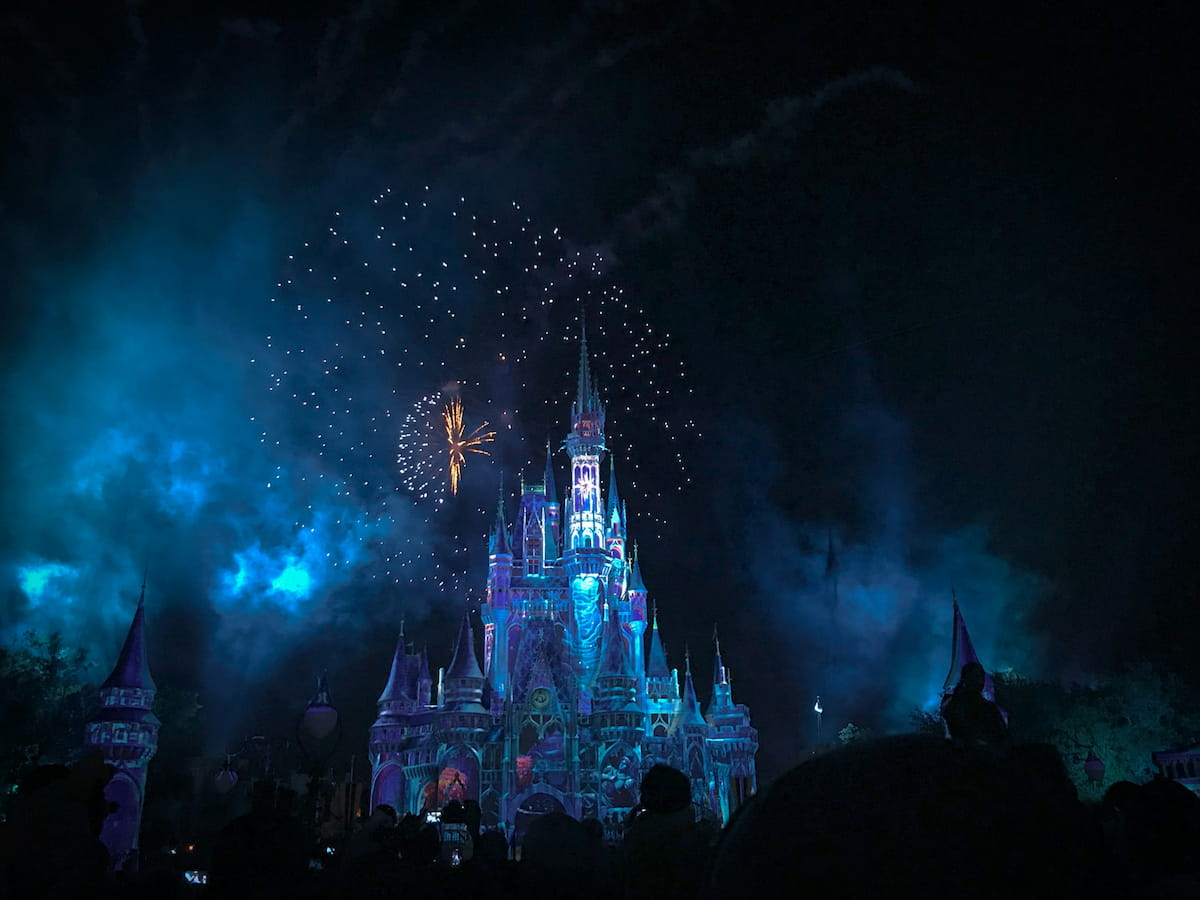
Orlando is the most complete theme park destination on the planet, and our guide doesn’t pretend otherwise — Disney World, Universal Orlando, SeaWorld, LEGOLAND, and Busch Gardens Tampa within driving distance form an ecosystem of engineered family entertainment unlike anywhere else. The honest case for Orlando’s 7.4 VV Score is not that it’s cheap — it isn’t — but that it delivers on its core promise with a consistency no other city can match. When the point of the trip is the parks, Orlando’s infrastructure (dining, accommodation, transportation between parks) is built precisely around that goal and functions well. The value question is how to get into that ecosystem for less: off-peak dates dramatically reduce both admission prices and crowds, Disney’s free Early Theme Park Entry for resort guests is genuinely valuable, and Universal’s on-site hotels include Express Pass access on select properties. Everything outside the parks — grocery stores, strip mall restaurants, non-resort accommodation — is significantly cheaper than what’s inside the gates.
New Family Travel Guides — Be the First to Know
Subscribe and we’ll send each new guide when it drops, plus our free budget travel cheat sheet with the best free things to do in every destination.