
Philadelphia Family Travel Guide: America’s Birthplace on a Real Budget
The most significant square mile in American history costs nothing to visit — and that’s just the beginning of why Philadelphia overdelivers for budget-minded families.
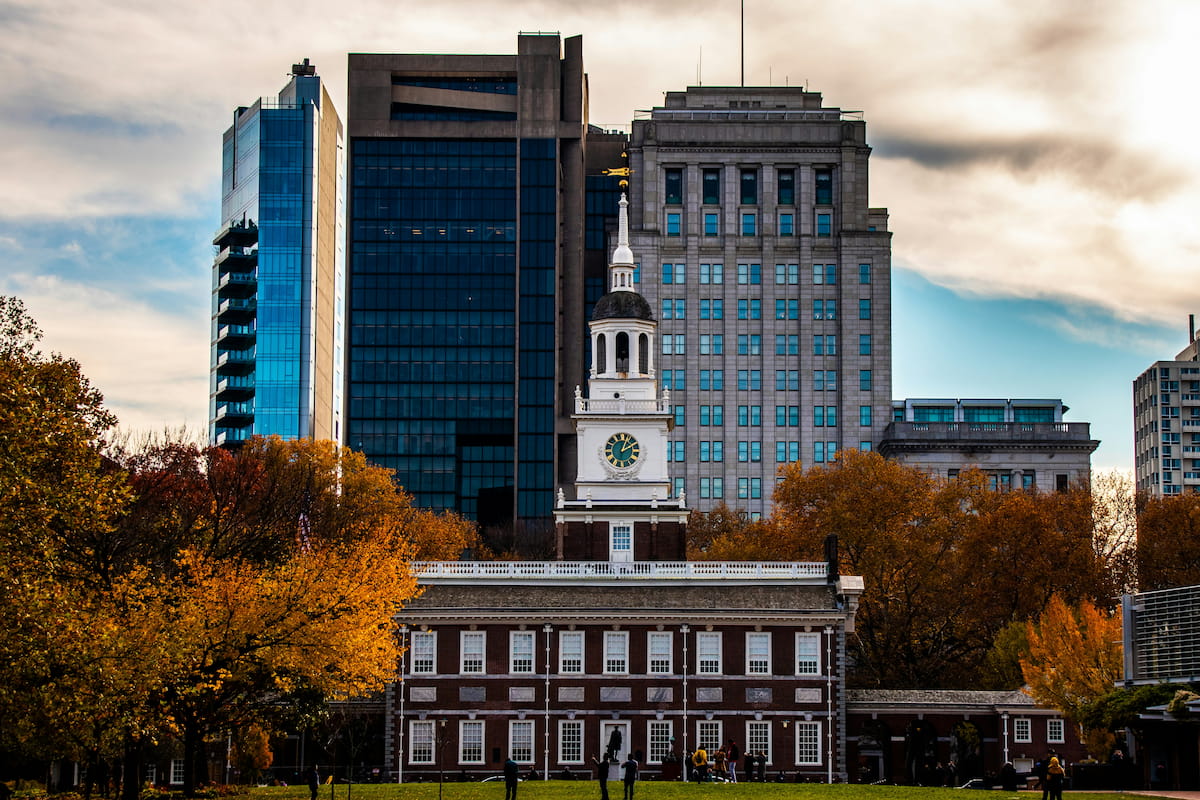
My kids stood in front of the Liberty Bell and were completely silent — which, if you have kids, you know is essentially a miracle. It cost us exactly nothing to get in. That’s Philadelphia in a sentence.
Families sometimes overlook Philadelphia in favor of Washington DC or New York City, which is a genuine strategic error. Philly packs a denser concentration of founding-era American history than either, its food culture is far cheaper to explore, and its compact, walkable core means you can cover an enormous amount of ground without putting kids in a cab every twenty minutes. The city’s crown-jewel experiences — the Liberty Bell, Independence Hall, Franklin Square, and the entire Independence Mall — are free to every visitor who walks through the door. Pile on world-class science and art museums, the country’s oldest zoo, Reading Terminal Market, and an Italian Market that hasn’t been gentrified into oblivion, and you have a five-night itinerary that earns every dollar spent.
What’s In This Guide
📅 Best Time to Visit Philadelphia
The clearest sweet spots are April–May and September–October. Spring brings cherry blossoms and ideal walking temperatures without peak-summer crowds. Fall delivers comfortable days, the city’s best foliage, and significantly lower hotel rates than summer. Both windows work beautifully for families with kids of any age.
Where to Stay in Philadelphia
Center City and the Historic District are the only sensible bases for a family trip. Both neighborhoods put the Liberty Bell, Independence Hall, Reading Terminal Market, and the Museum District within comfortable walking distance. You won’t need a car for a single day of your stay — SEPTA or a short rideshare gets you anywhere the city has to offer. Rates verified April 2026; Pennsylvania’s hotel tax varies by property (typically 15–16% all-in).
Suite-style rooms with a kitchen and separate sleeping area make Home2 Suites a genuinely practical choice for families — you can stock the fridge with breakfast supplies from Reading Terminal Market and save $30 a day without breaking a sweat. The Convention Center location puts you a 15-minute walk from both the Liberty Bell and Rittenhouse Square, and the SEPTA subway entrance is steps away. Rooms are modern and well-maintained for the price point, and the pool is a reliable after-museum decompression tool for kids.
The Monaco sits in a jaw-dropping Beaux-Arts building right in the heart of the Historic District — walk out the front door and the Liberty Bell pavilion is five minutes away. Rooms are large and thoughtfully designed, and Kimpton’s family-friendly approach (pet stays free, rollaway beds readily available, no resort fees) makes the mid-range spend feel genuinely justified. The complimentary evening wine hour is a quietly brilliant perk for parents who need exactly that after a full day of history with children. Rates fluctuate significantly by season — spring and fall offer strong value at this property.
Perched in the Comcast Center tower, this is the closest Philadelphia comes to a genuine sky-high luxury hotel experience. Floor-to-ceiling views of the entire city, the Schuylkill River, and on clear days the Delaware Valley make every room feel like a standout. Jean-Georges at the Four Seasons is the city’s finest restaurant. For families, the concierge team is exceptional at securing timed-entry slots for Independence Hall and organizing activity days — the kind of logistics support that genuinely justifies the nightly rate when traveling with kids who have limited patience for improvisation.
Get Philadelphia Tips Before You Go
Insider timing strategies, the exact Independence Hall reservation trick, and every money-saving move we know — delivered to your inbox.
15 Best Philadelphia Family Experiences
Philadelphia’s experience lineup is unusually generous to budget-minded families. Five of the fifteen best things to do here cost absolutely nothing at the door, including the sites that are most likely to stop your kids in their tracks. The paid tier adds world-class science and natural history museums. At the top end, you’ll find the kind of experiences that generate the stories families still tell twenty years later.
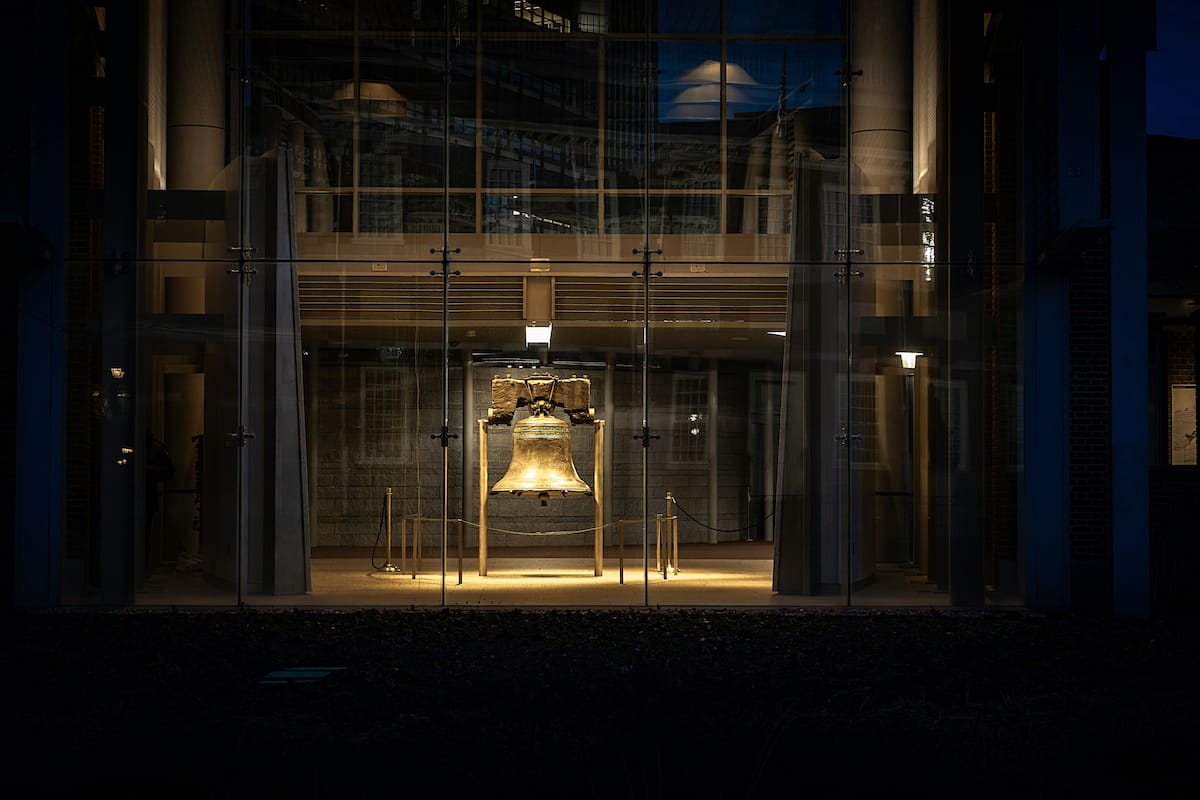
The Liberty Bell is one of those experiences that genuinely lands differently in person than any image or textbook can convey. The National Park Service maintains an exceptional free exhibit space around the bell that walks visitors through its history, symbolism, and role in the abolitionist movement — context that makes the bell itself far more meaningful than simply posing for a photo. The pavilion is small but well-designed, and the view through the back window toward Independence Hall is one of the great urban compositions in America.
💡 Arrive at opening time (9 AM) or after 3 PM to avoid the longest queues. Weekday mornings in spring and fall are the easiest. No tickets required — walk up and in.
The building where the Declaration of Independence was signed and the Constitution was debated is one of the most significant rooms in the world. The National Park Service runs free guided tours that bring the space to life in a way that no self-guided visit could — rangers are genuinely passionate and skilled at making 18th-century political history compelling for children. Admission is free, but timed-entry tickets are required during peak season and highly recommended year-round.
💡 Reserve timed-entry tickets at recreation.gov as soon as your travel dates are confirmed — slots fill weeks ahead in summer. Walk-up tickets may be available at the Independence Visitor Center on the day, but don’t count on it.
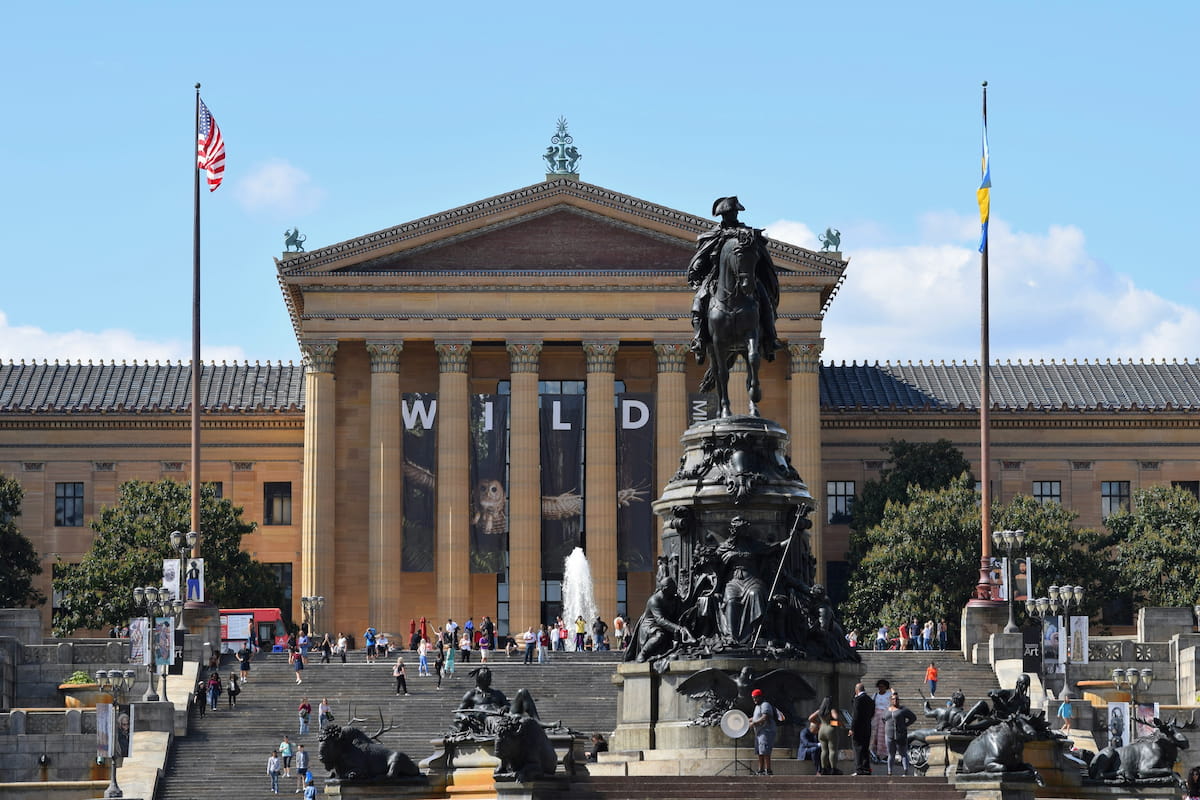
Running up the 72 steps of the Philadelphia Museum of Art is genuinely one of the most joyful physical experiences any city offers, and it costs absolutely nothing. The bronze Rocky statue at the base has been a pilgrimage site for decades. Even if you don’t go inside the museum — though you absolutely should, and kids under 18 are free — the view from the top of those steps across the Benjamin Franklin Parkway is breathtaking and completely unrestricted.
💡 The steps are most photogenic in the morning when the light hits the Parkway from the east. The surrounding Fairmount neighborhood is excellent for a post-run breakfast.
Reading Terminal Market is one of the great indoor public markets in America — a sprawling, chaotic, wonderful mix of Amish food vendors, cheesesteak counters, artisan butchers, flower stalls, and a legendary diner operating out of what was once a train station. Walking through it costs nothing. Eating through it is one of the best-value meals in the city. DiNic’s roast pork sandwich has a cult following that stretches well beyond Philadelphia. The Pennsylvania Dutch vendors sell soft pretzels, sticky buns, and shoofly pie that will derail any nutritional planning you made before arriving.
💡 Go on a weekday before 11 AM or after 2 PM to avoid the lunchtime crush. The market runs Tuesday–Sunday; many Amish vendors are Monday-only or have limited Saturday hours.
The Schuylkill River Trail runs for miles along the river through Fairmount Park, past the iconic Victorian boathouses of Boathouse Row — which are extraordinary at dusk when they’re outlined in lights. The flat paved trail is genuinely stroller- and younger-kid-friendly, and the stretch from the Art Museum past the boathouses is one of the most underrated scenic walks in any American city. Cyclists, joggers, and rowers share the space harmoniously.
💡 Bike rentals are available near the Art Museum through Indego, Philadelphia’s bikeshare system. A family of four can rent bikes and explore several miles of trail for under $30 total.
Franklin Square is one of William Penn’s original five public squares and has been transformed into one of the best free-to-enter urban parks in the Northeast. The square itself is open and free; the fun extras — a beautifully restored hand-carved carousel ($3/ride), miniature golf through Philadelphia landmark replicas ($10/person), and a spectacular fountain — are modestly priced and genuinely worth it. SquareBurger, the park’s dedicated counter, serves a surprisingly solid smash burger.
💡 The park is steps from the Liberty Bell and Independence Hall — schedule it as part of a half-day in the historic district rather than a standalone trip. It’s an ideal spot for younger kids who need a movement break between historic sites.
The National Constitution Center makes the founding documents and their ongoing significance compelling for visitors of virtually any age through a combination of thoughtful exhibits, original artifacts, and the remarkable Signers’ Hall — a room-sized bronze recreation of every delegate to the Constitutional Convention where visitors can walk among the figures and read their biographies. The 360-degree theatrical presentation “Freedom Rising” is one of the most effective pieces of civic storytelling in the country.
💡 Verify current admission prices at constitutioncenter.org before your visit. The center is directly on Independence Mall, making it a natural complement to the Liberty Bell and Independence Hall on the same morning.
One of the great art museums in America, and a genuinely exceptional family value: every visitor under 18 is admitted free, full stop. The collection spans 5,000 years across more than 240,000 objects — from French Impressionism to Japanese temple rooms to American quilts. For families, the highlights are the armor and weapons collection (consistently the most popular room with kids under 12) and the rotating special exhibitions that bring major world art to Philadelphia without the New York premium. The museum cafe has solid, affordable options for families who need a mid-visit refuel.
💡 The museum is large — download the app and pick three anchor galleries before you arrive rather than attempting to cover it all. Free guided tours run daily at 1 PM from the main entrance. Adults pay $30; under 18 is free on every operating day, not just select days. Verify at philamuseum.org.
Opened in 2017, the Museum of the American Revolution is the most modern and immersive Revolutionary War museum in existence. The collection includes Washington’s actual campaign tent — displayed in an extraordinary theatrical reveal at the end of the main gallery — alongside weapons, personal objects, broadsides, and documents that bring the period to life with genuine emotional weight. For families, the interactive zones and kid-friendly exhibit labels make this far more accessible than a typical history museum. Plan 90–120 minutes minimum.
💡 Timed-entry tickets can be reserved in advance at amrevmuseum.org. Verify current pricing before your visit. The museum is one block from the Liberty Bell — combine them for a full morning in the historic district.
Opened in 1874, the Philadelphia Zoo holds the distinction of being the first public zoo in the United States, and it remains one of the most intelligently designed. The Zoo360 animal trail system — a first-of-its-kind network of overhead mesh pathways — lets big cats, primates, and other animals roam above and around visitors in a way that no conventional enclosure allows. Big Cat Falls and the KidZooU area are the standout sections for families. The 42-acre grounds are beautiful in spring and fall. Advance online reservations are required.
💡 Admission pricing is dynamic and varies by date — always purchase in advance at philadelphiazoo.org to secure the best available rate. Weekend summer rates are the highest; spring weekday visits offer meaningful savings. Parking is available at $15 but SEPTA bus routes reach the zoo directly and are far less hassle.
For families with younger children — roughly ages 1 through 7 — the Please Touch Museum in Memorial Hall at Fairmount Park is one of the finest children’s museums in the country. The restored 1876 building is stunning, and the museum’s philosophy of letting children fully engage with exhibits through play, construction, and imaginative scenarios produces the kind of sustained focused engagement that parents of toddlers dream about. The vintage carousel inside the museum, running since the early 1900s, is alone worth the visit.
💡 Verify current admission at pleasetouchmuseum.org. The museum can get crowded on weekend mornings — arrive at opening or plan for a late-afternoon visit when group tours have cleared out.
Eastern State Penitentiary operated from 1829 to 1971 and pioneered the solitary confinement system that shaped prison design worldwide. Today it’s a preserved ruin — roofless cellblocks, crumbling plaster walls, and a genuinely haunting sense of scale — with audio tours narrated by Steve Buscemi that are among the best in any American museum. It’s an experience best suited for children 10 and older; the subject matter and atmosphere are intense. The Halloween Nights event (September–November) is one of the finest seasonal events on the East Coast, though it’s strictly adults and teens only.
💡 Verify current pricing at easternstate.org. The penitentiary is a 15-minute walk from the Philadelphia Museum of Art — combine them for a culturally rich day that spans art and American history in equal measure.
The Franklin Institute is one of the premier interactive science museums in the country — and with the Universal Theme Parks: The Exhibition running through September 2026 (included in general admission), 2026 is a particularly strong year to visit. The permanent collection is extraordinary in its own right: a walk-through giant human heart, a full-scale locomotive, a working planetarium, a sleep science exhibit, and a floor dedicated to sports physics that is essentially a controlled chaos experience for kids of every age. Budget a full day; an hour is not sufficient.
💡 General admission is $47/adult and includes the Universal Theme Parks exhibition through September 7, 2026. Verify current pricing and availability at fi.edu. Timed tickets for the special exhibition sell out on peak weekends — book well in advance.
Located in Camden, New Jersey (a 10-minute Uber across the Delaware River), Adventure Aquarium markets itself as “the world’s most touchable aquarium” — and the touch exhibits, including sharks and stingrays, deliver on that claim. Hippo Haven, where guests get nose-to-nose with Nile hippos through underwater viewing windows, is a genuinely singular experience that no other aquarium in the Northeast replicates. The 40-foot shark tunnel and the penguin exhibit round out what makes this one of the most visit-worthy regional aquariums in the country.
💡 Advance timed reservations are required at adventureaquarium.com — walk-ups are not permitted. Verify current pricing before your visit. The PATCO Speedline train from Center City to Walter Rand Transportation Center puts you five minutes from the aquarium entrance without the parking headache.
Citizens Bank Park is consistently ranked among the finest ballparks in Major League Baseball — the sightlines are superb from essentially every seat, the food options are far above league average (the cheesesteak stands are mandatory), and the South Philadelphia neighborhood creates an atmosphere that’s distinctively Phillies in a way that generic modern stadiums can’t manufacture. For families visiting May through September, a night game under the lights is an experience that earns its place on any Philadelphia itinerary regardless of your baseline interest in baseball.
💡 Seats in the 100-level third-base side run $20–$50 and offer excellent sightlines for families. Upper level seats start under $20. The Phillies Phanatic is one of the great sports mascots — worth a detour to the concourse areas where appearances happen. Verify tickets at mlb.com/phillies.
Worth It / Skip It
Don’t Make These Mistakes
Not booking Independence Hall timed-entry tickets before you arrive. This is the single most common and costly mistake families make in Philadelphia. Walk-up tickets on busy days are limited and frequently gone by 9:30 AM. Families who don’t pre-book often discover on arrival that they can’t get in. Reserve your timed-entry slot at recreation.gov the moment your travel dates are confirmed — it’s free, takes three minutes, and completely eliminates the problem.
Visiting in late July without accounting for the July 4th phenomenon. Philadelphia hosts one of the largest Independence Day celebrations in America — which is extraordinary to witness but nearly impossible to navigate without months of advance planning. Hotel rates spike to two or three times normal levels, crowds at every historic site reach their annual peak, and the city’s transportation infrastructure is pushed to its limits. Visit in late July after the holiday, or plan the July 4th visit with extreme deliberateness: book hotels in January and get reservations for everything well in advance.
Spending the entire trip in the Historic District without exploring the neighborhoods. Old City and Independence Mall are spectacular, but they represent a narrow slice of what makes Philadelphia interesting. Fishtown has become one of the most vibrant food and bar scenes on the East Coast. South Philadelphia’s Italian Market on 9th Street is a working neighborhood market with 100 years of continuity. Fairmount is walkable from the Art Museum and full of exceptional restaurants. The families who leave Philadelphia most impressed are the ones who spent at least one afternoon getting genuinely lost somewhere outside the tourist circuit.
Underestimating how much walking this city demands — and undertipping on footwear accordingly. Philadelphia’s major attractions are walkable from one another, which sounds like a convenience until day three when younger kids have logged eight miles on cobblestoned streets. Pack genuinely supportive walking shoes for every member of the family, build in midday breaks (the museums have seating and cafes), and don’t try to walk every leg of a multi-stop day — SEPTA exists precisely for the moments when young legs give out.
VacayValue Scorecard — Philadelphia
Packing List — Philadelphia
One More Thing Before You Go
We’ll send you the Philadelphia planning checklist — including the exact steps to secure Independence Hall tickets and the neighborhoods most families miss entirely.
Philadelphia is the most underrated family destination on the East Coast — and it’s not particularly close.
The raw value here is staggering once you see it clearly: the Liberty Bell, Independence Hall, the Franklin Square fountains, the Rocky Steps, miles of riverside trail — all free, all world-class. Then layer on a zoo that’s been running since 1874, a science museum that earns every dollar of admission, a children’s museum that could occupy a five-year-old for an entire afternoon, and a culinary culture — cheesesteaks, Reading Terminal Market, Vetri Cucina, the Italian Market — that would justify a trip on its own. Philadelphia does not require you to spend a lot of money to have an extraordinary time. That’s the whole point.
Hotels and accommodation are the one line item where the city doesn’t shine by national standards. Center City rates are comparable to other major East Coast metros, and unlike Washington DC you won’t find free-tier lodging within walking distance of the major sites. But that premium is absorbed quickly by everything else you won’t be spending money on. A family who does three days of free historic sites balanced against two museum days is building one of the most education-dense, memory-generating itineraries available anywhere in the United States — for a total cost that consistently surprises people.
Philadelphia scores an 8.6 because it genuinely delivers across every dimension that matters to families on a budget. The free experience density is nearly unmatched in American cities. The food culture is accessible at every price point. The history is irreplaceable. If your family is choosing between Philadelphia and a more-marketed East Coast alternative, the math almost always points toward Philly.