⚖️ Comparison · Cultural Travel · Japan
Kyoto vs. Tokyo: Ancient Japan or Electric Japan — Which City Wins?
Kyoto vs Tokyo is Japan’s great travel debate. Kyoto scores 9.4, Tokyo scores 9.2 on VacayValue — and most travelers should do both. Here’s how to split your time, and which city to choose if you’re picking one.
⏱ 13 min read
✅ Updated April 2026
💰 Prices verified April 2026
Cultural Travel
Japan
Value Showdown
VV Score 9.4 Kyoto
VV Score 9.2 Tokyo
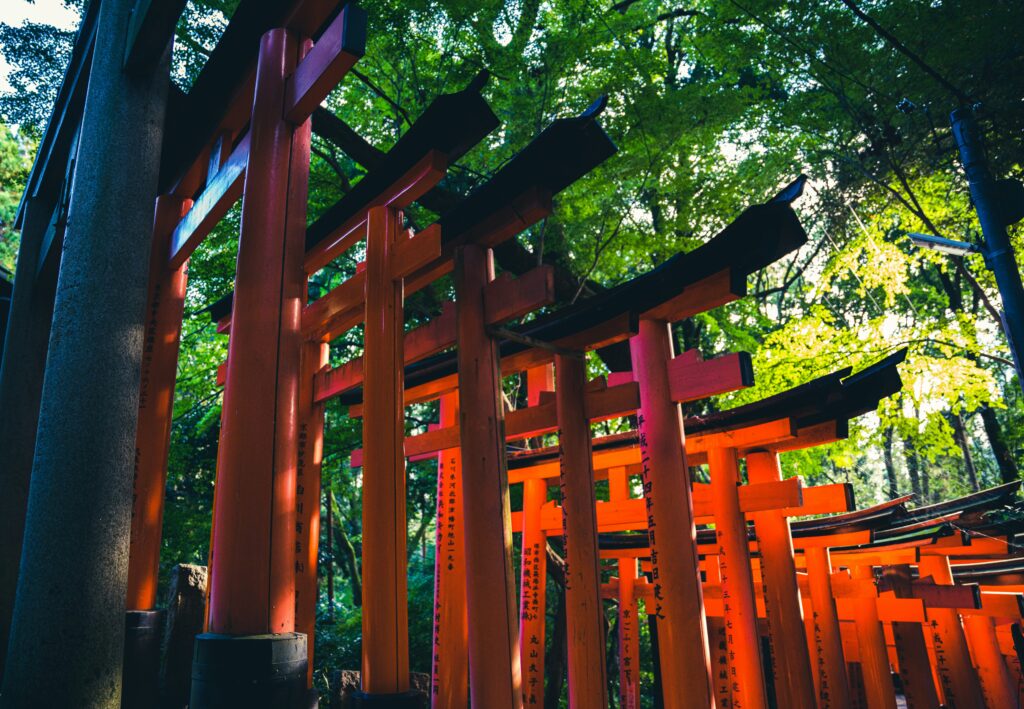
Kyoto, Japan

Tokyo, Japan
They’re 320 miles apart and 1,000 years apart. Kyoto is the Japan people imagine before they go — temples at dawn, bamboo forests, geisha slipping through stone-paved alleys. Tokyo is the Japan that resets every expectation — the most efficient, most surprising, most simultaneously ancient and futuristic city on earth. Most travelers should see both. This guide tells you how.
Kyoto scores 9.4 on VacayValue — the highest score of any Cultural destination in our directory. Tokyo scores 9.2. The half-point difference is real, but it’s not the reason to choose one over the other. What makes this comparison unique is that these two cities are 2 hours apart by bullet train, and the combination is one of the world’s great travel itineraries. The real questions: how do you split your time if you’re doing both, and which city wins if you truly have to choose one? Both answers are below.
Kyoto, Japan
9.4
VacayValue Score
Ancient Japan
Free Temples
Tokyo, Japan
9.2
VacayValue Score
World’s Best Transit
Ultramodern
Flights — Getting There
This is the one comparison category where these two cities aren’t really competing — because you fly into Tokyo regardless. Kyoto has no commercial airport. The route to Japan always starts with Tokyo.
✈ Getting to Japan — Round Trip from Major US Hubs
Kyoto (via Tokyo NRT/HND + Shinkansen)
$520–$800 per person RT
You fly into Tokyo — then take the Tokaido Shinkansen (Nozomi or Hikari service) from Tokyo Station or Shinagawa to Kyoto Station. The ride is 2 hours 15 minutes on the fastest service. A one-way ticket costs approximately 13,600 yen ($90–95) — or is covered if you hold a Japan Rail Pass. Budget this extra leg into your Kyoto-only cost.
Fly into: NRT (Narita) or HND (Haneda)
Shinkansen to Kyoto: ~2h 15m · ~$90–95 each way
Tokyo (NRT / HND)
$520–$800 per person RT
ANA, JAL, and United offer nonstop service from LAX and SFO in approximately 11–12 hours — some of the cleanest transpacific routing available. From the East Coast, expect one connection. ZIPAIR and budget carriers via connections run $500–$650; major carrier economy with bag runs $650–$800. Haneda (HND) is closer to central Tokyo and generally preferred.
Carriers: ANA · JAL · United · ZIPAIR · Delta
Nonstop from West Coast: ~11–12 hrs
⚖️
Split Verdict — Flights
Tokyo wins on routing · Kyoto adds a Shinkansen leg
Same flight, different endpoint. Tokyo is your gateway regardless — Kyoto adds ~$180 round-trip in Shinkansen costs. Both cities score 3.5 on Flight Cost.
💡 Japan Rail Pass — Worth It?
If visiting both cities plus one more destination (Osaka, Hiroshima, or Nara), a 7-day JR Pass (~$330) pays for itself. If you’re only doing Tokyo and Kyoto round-trip, the math is tight — two Shinkansen round-trips ($180) plus a few local JR trains may reach the pass cost, but not by much.
Calculate your specific itinerary before buying.
Where to Stay — Dollar for Dollar
Both cities score a maximum 5.0 on Accommodation Value — and both earn it. The difference is in character: Kyoto adds the ryokan, which is unlike any other accommodation experience on earth. Rates verified April 2026.
🏨 Accommodation — Nightly Rate Per Room
Kyoto · Budget
$40–$75/night
Business hotels (Toyoko Inn, Dormy Inn) and clean guesthouses cover the budget tier. Webase Kyoto and Sakura Terrace are well-reviewed hostel options. Rooms are small — that’s Japan — but impeccably maintained.
Tokyo · Budget
$65–$100/night
Capsule hotels and Dormy Inn business hotels dominate this tier. Tokyo is slightly more expensive than Kyoto at every level, though not dramatically so. The Shinjuku and Asakusa neighborhoods offer the best budget-to-location ratios.
Kyoto · Mid-Range
$100–$180/night
Mitsui Garden hotels and smaller boutique properties with tatami rooms and garden views. At the top of this tier, mid-range ryokan become available — shared bath facilities, yukata robes, and an entirely different travel experience.
Tokyo · Mid-Range
$160–$240/night
Andaz Tokyo, Kimpton Shinjuku, and the Park Hotel Tokyo operate at this tier with genuine style and views to match. Tokyo’s mid-range punches well above its price by any international standard — though you’ll pay 30–50% more than Kyoto for comparable quality.
Kyoto · Luxury / Ryokan
$300–$800+/night (incl. 2 meals)
Tawaraya, Hiiragiya, and Gion Hatanaka are among the world’s finest ryokan — tatami rooms, private onsen baths, kaiseki multi-course dinners, and a level of quiet hospitality that can’t be replicated anywhere outside Japan. The rate includes dinner and breakfast, which changes the value math significantly.
Tokyo · Luxury
$500–$1,000+/night
Aman Tokyo and The Peninsula Tokyo are in genuine conversation with the world’s best city hotels — impeccable service, extraordinary design, and views of the Tokyo skyline that justify the rate. Meals are not included.
🏆
Edge — Accommodation Value
Kyoto
Cheaper at every tier — and adds the ryokan, which is the only accommodation experience of its kind on earth. Both score 5.0; Kyoto earns it at a lower price point.
Food & Drink — Two Kitchens, One Country
Both cities score 5.0 on Food Affordability — Japan’s food culture makes this almost inevitable. But Kyoto and Tokyo feed you differently, and the difference runs deeper than just which dishes appear on the menu.
🍜 Food & Drink — What You Actually Spend
Kyoto
Nishiki Market / street food
$3–$8
Restaurant dinner
$15–$35 per person
Kyoto’s food identity is built around refinement and restraint — tofu cuisine, matcha everything, kaiseki multi-course meals that represent some of the most precise cooking in the world. The Nishiki Market is a free education in Kyoto flavors. Daily spending for budget travelers who eat well: $20–$35 per person.
Tokyo
Ramen / 7-Eleven / standing sushi
$5–$14
Izakaya / restaurant dinner
$20–$50 per person
Tokyo has more Michelin stars than any city on earth and the world’s most extraordinary convenience store food simultaneously. A $12 bowl of ramen in a tiny 8-seat shop in Shinjuku is genuinely the best ramen you’ll ever have. Daily spending for budget travelers: $25–$45 per person. The ceiling is unlimited.
🤝
Draw — Food Affordability
Both Score 5.0
Japan is the world’s greatest value food country at every tier. Kyoto excels at refinement and tradition; Tokyo excels at range and ceiling. Neither loses.
Getting Around — The Gap You Don’t Expect
Both cities have excellent transit systems — but Tokyo’s is legendary and Kyoto’s is functional. The difference matters more than you’d expect because Kyoto’s temples are spread across a much wider geographical area than Tokyo’s tourist zones.
🚇 Transit — Daily Cost Per Person
Kyoto
$8–$15 /person/day
Kyoto’s bus network is the primary way to connect temples spread across the east (Higashiyama), north (Kinkakuji, Ryoanji), and south (Fushimi Inari). A 600-yen day pass covers unlimited buses and is almost always worth buying. The subway covers the central corridor but misses many major sights. Budget more time between temples than you think — distances add up.
⚠️ Kyoto buses get extremely crowded during cherry blossom and autumn foliage peak seasons. Build 20–30 minutes of buffer into any timed itinerary.
Tokyo
$10–$16 /person/day
Load a Suica IC card at the airport, tap in, tap out, never think about transit again. Tokyo’s metro covers all 23 wards comprehensively, trains run on time to the minute, and the system is so intuitive that even first-time visitors navigate it with minimal friction. The Suica card also works at convenience stores and vending machines throughout the country.
💡 Get a Suica card from any airport machine. Load ¥5,000. Use it everywhere — trains, buses, 7-Eleven, vending machines — for the entire Japan trip including Kyoto.
🏆
Edge — Getting Around
Tokyo
Tokyo’s metro is the world standard. Kyoto’s bus system is functional but requires planning. Not close.
Best Time to Visit — Does Your Window Match?
Both cities follow the same seasonal patterns — they share a climate zone. But cherry blossom and autumn foliage affect Kyoto’s crowds and accommodation prices far more severely than Tokyo’s, making timing especially critical if Kyoto is on the itinerary.
📅 Seasonal Timing — When to Go
Late Mar – Apr & Oct – Nov
Cherry blossom season (late March to mid-April) transforms Kyoto into the most beautiful version of itself — but crowds are at their absolute maximum. Autumn (late October, November) offers foliage nearly as spectacular with slightly thinner crowds. May and early June are also excellent — warm, green, and significantly less crowded.
Late Mar – Apr & Oct – Nov
Same peak windows as Kyoto — cherry blossoms in Shinjuku Gyoen and Ueno Park are genuinely stunning. But Tokyo handles peak season crowds far better than Kyoto does; it’s a much larger city and the sights are more spread out. The experience is more manageable even at maximum tourist load.
May – Jun & Sep – early Oct
Late spring (May–June) is warm and lush with temple gardens at peak green. September offers cooling temperatures after summer heat. Crowds are still present but hotel rates drop meaningfully from cherry blossom peaks. Early June brings the plum rains — not ideal but manageable.
Dec – Feb
Cold (35–45°F) but significantly cheaper and far less crowded. Tokyo in January and February is the city on its quietest, most local setting. Museum queues disappear. Restaurants are easy to book. Bring a serious coat — it’s genuinely cold.
Jul – Aug
Hot (88–95°F), extremely humid, and Japanese domestic tourism peaks. Kyoto’s temples bake in the heat and the famous bamboo grove at Arashiyama is practically a slow-moving queue. Fushimi Inari at dawn is the only way to beat it — but it requires a 5am start.
Jul – Aug
Same heat and humidity as Kyoto — but Tokyo’s urban density makes it feel more intense. Summer festivals (Obon in August) add charm but also crowds. The city still functions; indoor attractions (museums, teamLab, shopping) provide relief. Easier to manage than Kyoto in summer.
💡 The Timing Decision
Cherry blossom season (late March to mid-April) is the single most important timing factor — Kyoto during sakura is one of the world’s transcendent travel experiences, and it’s worth planning your entire trip around it if possible. Book accommodation 6+ months in advance for Kyoto during this window. If your dates are fixed in summer or winter, Tokyo handles both seasons more comfortably than Kyoto.
Experiences & Activities — What Your Days Look Like
This is where the two cities diverge most completely. Kyoto’s greatest experiences are almost entirely free — temples, shrines, bamboo, and the quiet of Gion at 6am cost nothing. Tokyo’s most distinctive experiences carry a price, but that price buys something genuinely unrepeatable.
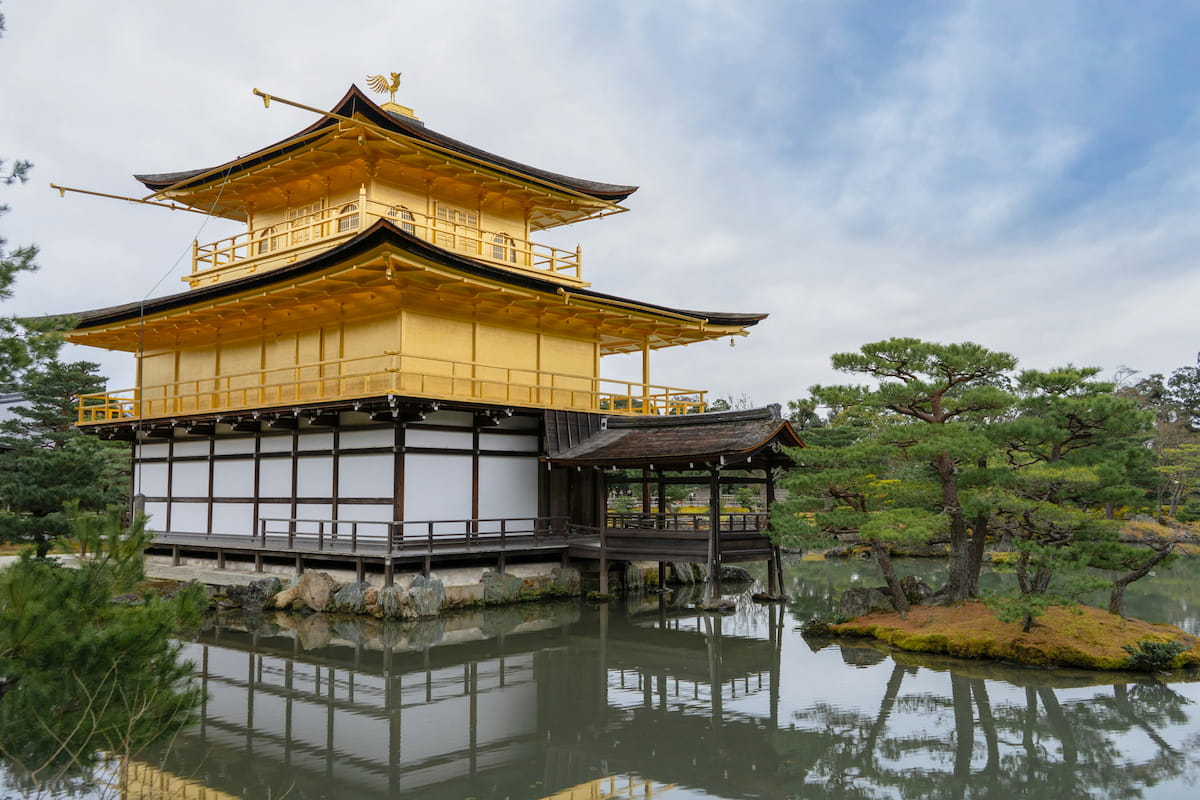
Kyoto, Japan
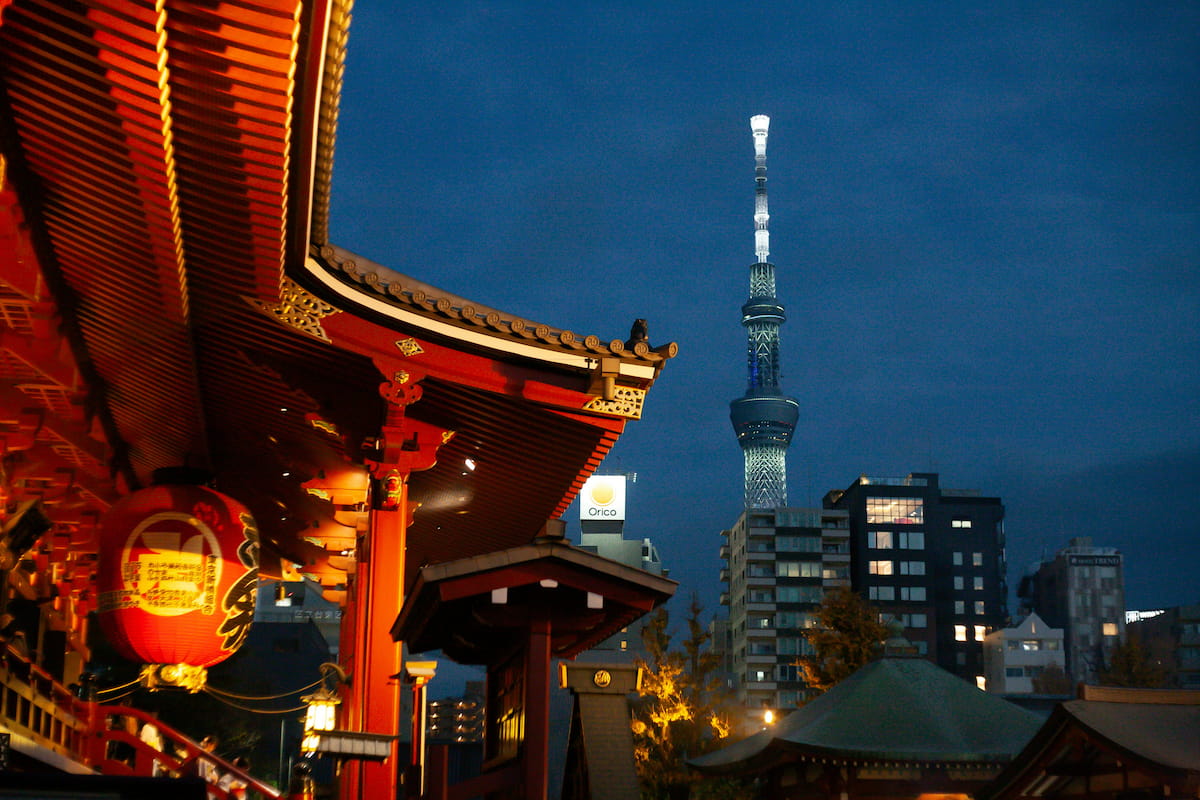
Tokyo, Japan
🎯 Experiences — What It Costs to See the Best
Kyoto · Activity Cost: 5.0
The most remarkable thing about Kyoto’s experiences is that most of them cost almost nothing. Fushimi Inari — 10,000 torii gates spiraling up a mountain — is free. The Arashiyama bamboo grove is free. Gion district at dawn is free. Nishiki Market is free. Even Kinkakuji (the Golden Pavilion, arguably Japan’s most photographed building) costs just 500 yen — roughly $3.50.
Fushimi Inari ShrineFree
Arashiyama Bamboo GroveFree
Kinkakuji (Golden Pavilion)$3.50 (500 yen)
Kiyomizudera Temple$3 (400 yen)
Gion / Nishiki Market wanderFree
Tokyo · Activity Cost: 4.5
Tokyo scores slightly lower on Activity Cost — not because it’s expensive, but because its most distinctive experiences carry real admission prices. Senso-ji temple is free; teamLab Planets is $35. The Studio Ghibli Museum is $12 but requires lottery booking months in advance. The Shibuya Sky observation deck is $20. Each of these is extraordinary — the cost just adds up more than Kyoto does.
Senso-ji Temple, AsakusaFree
teamLab Planets, Toyosu~$35
Ghibli Museum, Mitaka$12 (lottery)
Shibuya Sky / Tokyo Skytree$18–$22
Shinjuku / Harajuku wanderFree
🏆
Edge — Activity Cost
Kyoto
Kyoto scores 5.0 on Activity Cost — the maximum — because its greatest experiences cost almost nothing. Tokyo scores 4.5. The gap is real but both cities deliver extraordinary value.
What Your Trip Will Cost — 2 Adults, 5 Nights
All figures in USD. Flights are the same for both cities (same transpacific route). The Kyoto column adds approximately $180 per person round-trip in Shinkansen costs. Accommodation, food, transit, and activity costs are for that city specifically. April 2026 verified pricing.
🧮 5-Night Trip Total — 2 Adults (incl. same transpacific flight)
Kyoto
flight + Shinkansen, hotel, food, transit, sites
Tokyo
flight, hotel, food, transit, experiences
Kyoto Savings
~$200–$500
~$100–$800
~$2,000+
VacayValue Head-to-Head Scorecard
Overall VacayValue Score
Kyoto wins by 0.2 points — one half-point gap in Activity Cost. Both cities are extraordinary. Most travelers should do both.
Before You Go — Practical Essentials
VisaUS passport: 90 days visa-free in Japan. No application needed.
CurrencyJapanese Yen (JPY). Cash is essential — many smaller temples, restaurants, and market vendors don’t accept cards. Withdraw yen from 7-Eleven ATMs, which reliably accept foreign cards with low fees.
Best TimeLate March–April (cherry blossoms) or October–November (foliage). Book accommodation 6+ months ahead for cherry blossom season.
Watch ForTemple etiquette — be quiet, remove shoes where indicated, and don’t photograph inside halls unless explicitly permitted. Fushimi Inari early morning (before 7am) is the only way to have the torii gates to yourself.
VisaUS passport: 90 days visa-free in Japan. Same visa zone as Kyoto — one country, one entry.
CurrencyJapanese Yen (JPY). Tokyo is more card-friendly than Kyoto but still requires cash at many spots. Load a Suica IC card at the airport — it works on trains, buses, convenience stores, and vending machines throughout Japan.
Best TimeLate March–April (cherry blossoms) or October–November (foliage). Tokyo handles peak season crowds far better than Kyoto.
Watch ForTokyo’s quiet etiquette norms: no eating while walking on most streets, no phone calls on trains, don’t tip (it can cause offense). Book teamLab Planets and the Ghibli Museum well in advance — both regularly sell out weeks ahead.
Pick Your City — The Deciding Factors
The honest answer for most travelers: do both. They’re 2 hours apart by train, and the combination — ancient Japan followed by electric Japan, or vice versa — is one of the world’s great itineraries. But if you’re choosing one, here’s how to decide.
Choose This City If…
Kyoto
VV 9.4 · KYO
→Traditional Japan is the reason you’re going. Kyoto is where the Japan of temples, geisha, tea ceremony, and bamboo forests actually exists at scale — not as a performance, but as a living city.
→You want to experience a ryokan. A single night in a traditional Kyoto ryokan — tatami floors, private onsen, kaiseki dinner — is one of the world’s genuinely irreplaceable hospitality experiences.
→Budget is tight. Kyoto’s greatest experiences are almost entirely free — you can spend a full day at Fushimi Inari, Arashiyama, and Gion for under $15 in admission combined.
→You’re traveling during cherry blossom or foliage season. Kyoto during sakura is transformative in a way Tokyo simply isn’t — the temples and gardens provide the backdrop that makes the season extraordinary.
→You prefer quiet over energy. Kyoto moves slower, sounds quieter, and rewards the traveler who wants to sit in a temple garden at 7am in near-complete silence.
Full Kyoto Guide →
Choose This City If…
Tokyo
VV 9.2 · TYO
→Urban energy is what you travel for. Tokyo is the most astonishing city on earth for the traveler who wants to feel genuinely overwhelmed in the best possible way.
→Logistics matter to you. Tokyo’s Suica-powered metro system removes every transport friction from your trip. Nothing runs late. Nothing is confusing. Kyoto takes more planning.
→You’re visiting in summer or deep winter. Tokyo handles both off-peak seasons more comfortably — its indoor experiences (museums, teamLab, food halls, shopping) provide relief from weather in a way Kyoto’s outdoor temples don’t.
→Food is a primary reason to travel. Tokyo has more Michelin stars than any city on earth and delivers extraordinary meals at every price point — from $8 ramen to multi-course omakase.
→You’re doing both cities. Start with Tokyo — it’s the gateway city, has the international airport, and provides the modern-Japan context that makes Kyoto feel even more extraordinary when you arrive two hours later.
Full Tokyo Guide →
Kyoto vs Tokyo — Common Questions
Should I visit Kyoto or Tokyo for a first trip to Japan?
For most first-time Japan visitors, start in Tokyo — it’s the international gateway, logistically simpler to navigate on arrival, and gives you the broadest possible introduction to Japan. Then take the Shinkansen to Kyoto for 3–4 nights. If you truly can only choose one city, Tokyo wins on logistics and Kyoto wins on the experience most people imagine when they think of Japan.
How far is Kyoto from Tokyo?
Approximately 320 miles — covered in 2 hours 15 minutes on the Nozomi Shinkansen (fastest service). A one-way reserved seat costs approximately 13,600 yen ($90–95). Trains run every 10–15 minutes throughout the day. This proximity is what makes combining both cities not just possible but recommended — it’s shorter than flying from New York to Chicago.
Is Kyoto more expensive than Tokyo?
No — Kyoto is cheaper on accommodation at every tier. Budget hotels average $40–$75/night in Kyoto versus $65–$100 in Tokyo. Food costs are similar. The one added cost for Kyoto is the Shinkansen (~$90 each way from Tokyo). Luxury travelers should note that a high-end Kyoto ryokan (which includes two full meals) may cost less than a comparable Tokyo hotel where meals are extra.
How many days should I spend in Kyoto vs. Tokyo?
For a standard Japan trip, allocate 4–5 nights for Tokyo and 3–4 nights for Kyoto. Tokyo is larger and rewards more time — the city’s neighborhoods (Shibuya, Shinjuku, Asakusa, Yanaka, Shimokitazawa) each feel like separate destinations. Kyoto’s core experiences can be covered in 3 full days, with a 4th day ideal for day trips to Nara (45 minutes away) or Osaka (15 minutes). If your total Japan trip is under 10 days, split evenly and move efficiently.
Do US citizens need a visa for Japan?
No visa required. US passport holders receive 90 days visa-free in Japan — no advance applications, no fees, no paperwork. Japan remains one of the easiest entry experiences for US travelers anywhere in the world. Both cities use Japanese Yen; carry cash as smaller temples, market vendors, and traditional restaurants often don’t accept cards.
Planning a Japan Trip? Start Here.
Every week we cover one destination in depth — real costs, honest takes, and the one thing most guides get wrong. No filler.
VacayValue Verdict
Kyoto Wins the Score. Tokyo Wins the Argument for Going First.
Kyoto’s 9.4 is VacayValue’s highest Cultural score — and it’s deserved. The combination of free world-class experiences (Fushimi Inari, Arashiyama, Gion), a food culture that rivals any city on earth, accommodation that’s both cheaper and more distinctive than Tokyo’s, and an Experience Quality score of 5.0 adds up to a number that’s hard to beat anywhere in our directory.
But Tokyo at 9.2 isn’t losing. It’s the most extraordinary modern city on earth — a place where a $9 bowl of ramen in a subway station carries a Michelin recommendation, where the metro runs to the second, and where neighborhoods like Yanaka and Shimokitazawa reveal a depth that most visitors never find because they’re too busy crossing off the famous list. Tokyo rewards the traveler who stays longer and wanders further.
“Most travelers should do both. If you have to choose one, Kyoto is the answer to ‘what does Japan feel like’ and Tokyo is the answer to ‘what does the future feel like.’ Both are correct answers. Both will change how you think about cities.”
The Shinkansen between them takes 2 hours 15 minutes. Book it. Do both. Come back and do them again.
Kyoto
9.4
VacayValue Score
Tokyo
9.2
VacayValue Score