
London Travel Guide 2026 — Free Museums, the Tube, and What It Actually Costs
London has a reputation for being brutally expensive. That reputation is partly deserved and partly wrong. Here’s the honest version: flights and hotels are the real costs. Once you’re there, half the world’s best museums, galleries, and parks are completely free.
I spent an entire Tuesday moving between the British Museum, the National Gallery, and Tate Modern — three of the greatest institutions on the planet — without spending a single pound on entry. Then I ate a £4 meal deal from a Boots pharmacy while sitting on the steps of St Paul’s, watching the city go by. That Tuesday cost me £8.90 in transport. London is expensive. It is also, if you know how to play it, extraordinarily generous.
The honest picture: London flights from the US are the most expensive in this guide. Hotels in central London carry a real premium compared to nearly every other destination we cover. The pound makes every transaction sting slightly. But the city offsets this ruthlessly on the experience side — the Tube is efficient and fare-capped, supermarket meal deals are a legitimate institution, and the museum offering is the finest of any city on Earth, available for nothing. The key is understanding where London extracts money and where it gives it back. This guide does exactly that.
What’s In This Guide
📅 Best Time to Visit London
The best value window: September and October — the city looks gorgeous in autumn light, prices are 20–35% below summer peaks, and tourists have thinned dramatically. For absolute bargains: January and February — flights can be 40% cheaper, hotels have more availability, and the free museum experience is identical year-round. Summer (June–August) is expensive but undeniably alive — worth it if you book 3–4 months out and prioritize specific events.
Where to Stay in London
London is a city where location genuinely matters — proximity to a Tube station is worth more than room size. The central zones (1–2) cost more but save significantly on transport time and rideshare spending. For budget travelers, Shoreditch and King’s Cross offer the best value-to-location ratio: excellent Tube access, good eating options, and hotels 20–30% cheaper than Soho or Covent Garden. All rates below verified March 2026 and displayed in USD (GBP at ~1.27).
hub by Premier Inn is one of the smartest budget concepts in London — compact, design-forward rooms in genuinely central locations at prices that undercut most central options by 30–40%. The King’s Cross property puts you one Tube stop from the British Museum (Russell Square), 3–4 stops from most major sights, and literally next door to St Pancras International for Eurostar day trips to Paris or Brussels. Rooms are small but thoughtfully designed, and everything is managed via app including check-in. The brand consistently delivers reliability at the budget tier, which is rare in central London.
The Z Hotel brand occupies a valuable niche: boutique-quality design in genuinely central locations at prices significantly below the big-name hotels on the same blocks. The Soho property is the flagship — rooms are compact (this is London, compact is the standard) but beautifully finished, and the rooftop terrace overlooks the theatre district. You’re walking distance from Leicester Square, Covent Garden, the National Gallery, and a dozen of London’s best restaurants. For the location alone, the nightly rate is exceptional value by central London standards.
The Ned occupies a staggering 1930s former bank building designed by Edwin Lutyens — the original banking hall is now a nine-restaurant atrium unlike anything else in London. Rooms are beautifully designed with proper London character: high ceilings, Cowshed toiletries, proper blackout curtains. The rooftop pool looks over the City skyline and St Paul’s dome. If you’re going to spend more in London, The Ned earns it — not just for the room but for the experience of being in the building all evening. It’s adjacent to Bank and St Paul’s Tube stations, putting you at the heart of the city.
Get Our London Budget Playbook
The £3.50 lunch that beats most restaurants, the free rooftop views, the theater hack that cuts West End prices in half — delivered before you book.
15 Best London Experiences
London’s experience offering is genuinely unusual in one specific way: the free tier is world-class, not a consolation prize. The British Museum, the National Gallery, Tate Modern, the V&A, the Natural History Museum — these are among the greatest institutions on the planet and they charge nothing to enter. The paid tier adds the Tower of London, Westminster Abbey, and St Paul’s — three experiences that justify their prices. The Signature tier is about timing and planning: the West End, afternoon tea, and a day trip that puts medieval England 45 minutes from your hotel door.
The British Museum holds approximately 8 million objects spanning every human civilization — the Rosetta Stone, the Elgin Marbles, the Lewis Chessmen, Egyptian mummies, the Sutton Hoo helmet. It is one of the most extraordinary institutions ever built, permanently free, open 362 days a year. The Great Court — Foster + Partners’ glass-and-steel roof over the original neoclassical courtyard — is itself worth visiting regardless of what’s inside. Plan at least three hours; most visitors find half a day disappears without effort.
💡 Friday evenings (until 8:30pm) are significantly quieter than weekend daytimes. Start with the Sutton Hoo helmet on the upper floor — room 41 — before the crowds arrive.
The National Gallery holds over 2,300 paintings spanning 700 years of Western European art — van Eyck, Vermeer, Caravaggio, Constable, Seurat, van Gogh — all permanently free. It looks directly onto Trafalgar Square, one of the great public spaces in Europe: Nelson’s Column, the famous bronze lions, the fountains, and an atmosphere that manages to be both tourist-central and genuinely civic. The combination of the square and the gallery is a full morning without spending a pound.
💡 The National Portrait Gallery (recently reopened after renovation) is directly around the corner and equally free — two institutions for the price of one walk.
Tate Modern occupies the old Bankside Power Station on the South Bank — the Turbine Hall alone, a vast soaring cathedral of industrial concrete, hosts major installation commissions free of charge. The permanent collection spans the full sweep of modern art from Rothko and Picasso to Hirst and Bourgeois. Walk across the Millennium Bridge toward St Paul’s for one of London’s most satisfying urban photographs, then continue along the South Bank to the Globe Theatre, Borough Market, and Southwark Cathedral — all free to walk past or through.
💡 The Tate Switch House extension has free viewing terraces on levels 4 and 6 offering panoramic views over the Thames and St Paul’s — better than paying for the Shard if you’re on a budget.
Hyde Park and the adjoining Kensington Gardens form 625 acres of open green space in the centre of one of the world’s densest cities. The Serpentine Gallery is free, the Serpentine Lido is open in summer, Speakers’ Corner hosts genuinely extraordinary public oratory on Sunday mornings, and the Long Water running south from the Italian Gardens is beautiful in any season. Combine with a walk through Notting Hill (especially Portobello Road on Saturdays) for a full free day.
💡 On summer weekdays the park is lightly populated with workers on lunch breaks — a genuinely peaceful experience that the tourist brochures never show.
Borough Market under London Bridge has operated in some form since 1014 and in its current form is the city’s greatest concentration of exceptional food. Entry and browsing are completely free; food stalls run from about $4 for street food up to $19 for a proper sit-down meal. Raclette, jerk chicken, handmade pasta, artisan cheese, fresh-baked bread, Ethiopian injera — it is one of the most concentrated expressions of London’s diversity on a plate. The Saturday market is the fullest version; Wednesday through Friday are great for smaller crowds.
💡 Go hungry and graze — the sampling culture is generous. The Monmouth Coffee stall at the entrance is excellent and worth the queue. Directly adjacent: Southwark Cathedral, also free and genuinely beautiful.
The ceremonial changing of the King’s Guard takes place at Buckingham Palace on a rotating schedule — daily during summer, alternate days the rest of the year, starting at 11am and lasting about 45 minutes. It is one of the most distinctly British spectacles available free of charge, complete with the regimental band, red tunics, bearskin hats, and a choreography unchanged for centuries. The palace itself requires a paid ticket (only open summers), but the ceremony in the forecourt and on the Mall is completely free to watch from outside.
💡 Check the official Household Division website before going — the ceremony is cancelled in heavy rain and on certain state occasions. Arriving by 10:15am secures a decent viewpoint.
The Victoria and Albert Museum in South Kensington holds 2.8 million objects spanning 5,000 years of art, design, and performance — textiles, ceramics, furniture, fashion, photography, and sculpture across 145 galleries. The permanent collection is entirely free; only special ticketed exhibitions carry a charge. The Cast Courts — giant Victorian halls full of plaster casts of the world’s greatest architectural works, including a full-scale replica of Trajan’s Column — are simultaneously absurd and magnificent. The café courtyard is one of London’s prettiest places to have lunch.
💡 The V&A is directly adjacent to the Natural History Museum (also free) and the Science Museum (also free) — a full day of world-class South Kensington museums for the price of lunch. The NHM’s blue whale skeleton and the dinosaur gallery are highlights for families.
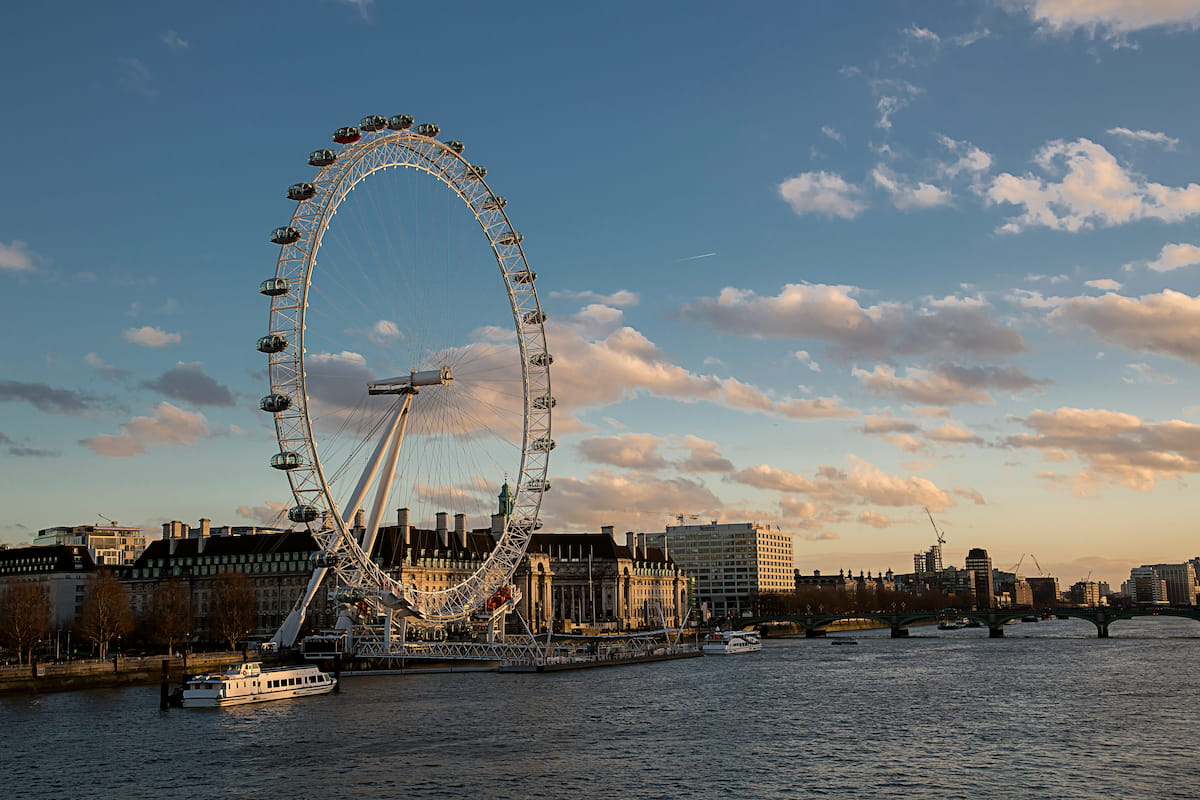
Sky Garden occupies the top three floors of 20 Fenchurch Street (the “Walkie-Talkie” building) in the City of London — a glass-enclosed tropical garden 155 meters up with 360-degree panoramas over the Thames, Tower Bridge, St Paul’s, the Shard, and east to Canary Wharf. Entry is completely free but requires advance timed ticket booking via the official Sky Garden website. The Brasserie and bar within the space are paid and not required. As a free alternative to the Shard’s £19–33 charge or the London Eye’s £32–39, this is an extraordinary value.
💡 Tickets release on Mondays at 8am for the following two weeks — set a reminder and book the moment they open. Weekend evening slots disappear within minutes. Weekday morning slots are significantly easier to get.
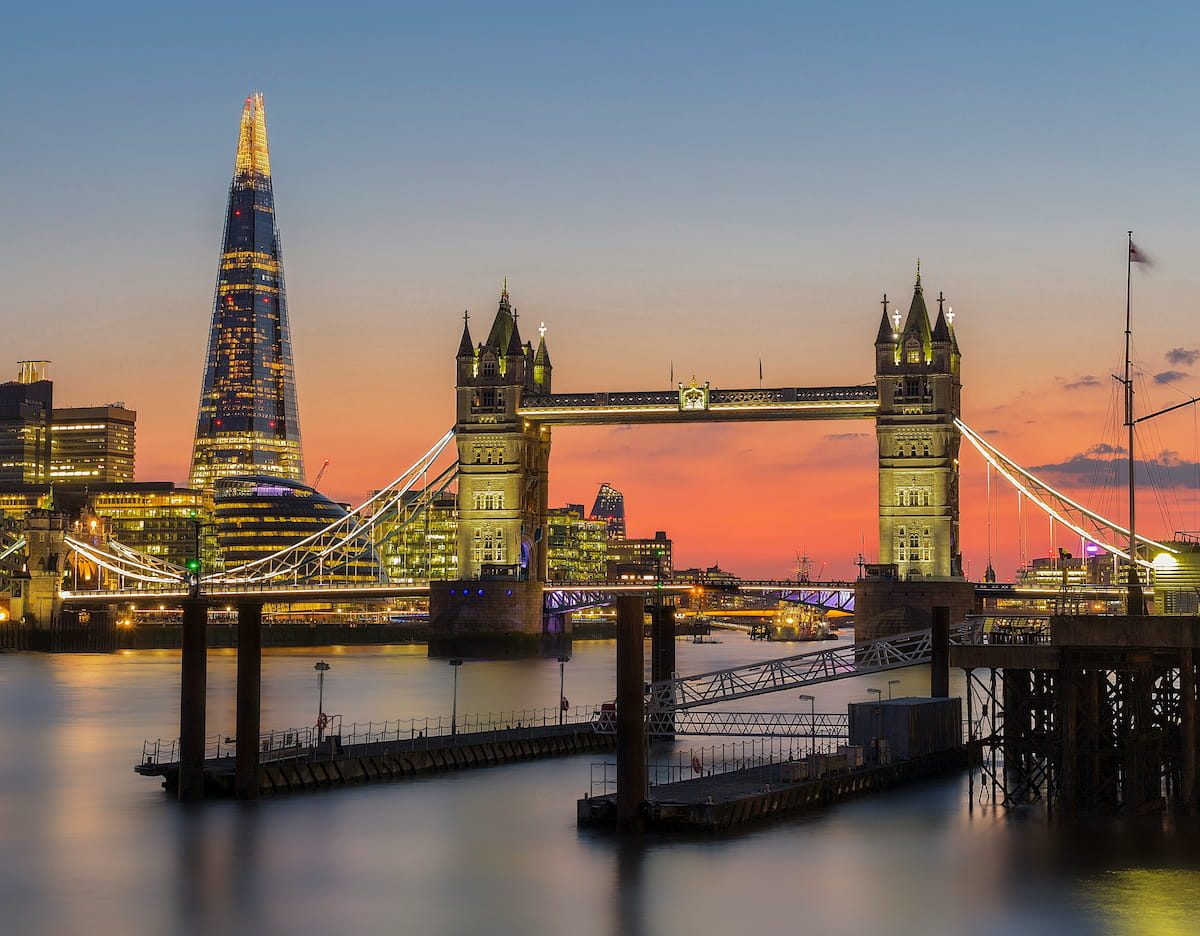
The Tower of London is a World Heritage Site, a royal palace, a former prison, and home to the Crown Jewels — all in one medieval complex on the Thames. At $47/adult it’s the most expensive single attraction in this guide, but the price covers everything: Crown Jewels (the centrepiece), the White Tower, the Yeoman Warder tours, the medieval palace, the ravens that have lived here since the 17th century, and the Torture at the Tower exhibition. Allow a minimum of three hours; many visitors spend five. Note: some conservation routes have reduced access during 2026 — check hrp.org.uk for current route details before your visit.
💡 Book online in advance — the ticket office queue can add 30–45 minutes. Visit the Crown Jewels first thing, as the queue builds fast. The Yeoman Warder tour (included, runs throughout the day) is genuinely excellent — funny, irreverent, and deeply historically informed.
Westminster Abbey has been the site of every coronation since 1066 and the resting place of kings, poets, scientists, and statesmen — Chaucer, Isaac Newton, Charles Darwin, Stephen Hawking, and 16 monarchs are interred here. The building itself is Gothic architecture at its most complete — the fan vaulting of Henry VII’s Lady Chapel is among the finest examples in Europe. The multimedia guide included in the price is excellent and adds context that dramatically enriches the visit. A ticket valid for three visits (annual pass upgrade, free at the desk) makes the price even stronger.
💡 Book online via the official Westminster Abbey website — tickets can be upgraded to an annual pass free of charge on arrival, allowing three visits in 12 months for the price of one. Tuesday and Thursday afternoons are the quietest visiting times.
St Paul’s Cathedral, designed by Christopher Wren and completed in 1710, dominates the City of London skyline with a dome that rivals Rome’s. The interior is extraordinary — marble floors, mosaics, the crypt housing Nelson and Wellington, and galleries that ascend to the Golden Gallery at the top of the dome for panoramic city views. At $34/adult it earns its price, though the Stone and Golden Galleries require climbing 528 steps. Note: the Whispering Gallery is currently closed as of March 2026 — check stpauls.co.uk for reopening status before booking.
💡 Attending a weekday Choral Evensong service (typically 5pm) is completely free — no ticket required — and hearing the choir in that acoustic is one of London’s most moving experiences. Check the cathedral’s calendar as the schedule varies.
Portobello Road Market on Saturday morning is one of London’s great street experiences — 1,000+ stalls spanning antiques, vintage clothing, street food, and fresh produce stretching north from Notting Hill Gate station for over a mile. The antiques section (southern end, morning only) is genuine and browsable; the vintage and clothing sections run midday. The surrounding streets of Notting Hill — the pastel-painted townhouses, garden squares, and independent bookshops — are beautiful to walk through before or after. The Notting Hill Bookshop on Blenheim Crescent is the real-life inspiration for the film.
💡 Arrive before 10am for the antiques section at its fullest. The food stalls in the covered arcade (Portobello Green) have some of London’s best casual eating for under $13. Saturdays only for the full market.
London’s West End is the global benchmark for live theater — the shows, the productions, the casts — and it’s far more accessible than most visitors expect. The tkts booth in Leicester Square sells same-day and advance discount tickets to dozens of shows at up to 50% off, with prices starting around $32 for decent seats. Day seats at the National Theatre (Southbank) and the RSC are sometimes available from $19. The full-price top tier is $108–$152 for premium shows, but genuinely good seats at most productions are $51–$83. This is the one London experience worth actively seeking out.
💡 The tkts booth is at the clock tower in the centre of Leicester Square — official, run by the Society of London Theatre. Avoid third-party resellers in the surrounding streets. The National Theatre’s last-minute rush tickets (online, by ballot) and standing tickets from £5 are available for those with flexibility.
Afternoon tea is a distinctly British institution that London does better than anywhere, and the best versions are genuinely worth the money — finger sandwiches, fresh-baked scones with clotted cream and jam, pastries, and unlimited loose-leaf tea in a proper setting. The Ritz and Claridge’s are the famous names ($95–$127/person, book 6+ weeks ahead); The Goring and the Café at the V&A deliver the full experience for $57–$70; Bea’s of Bloomsbury does an excellent, less formal version from around $44. This is the one meal in London where the experience is the point.
💡 For a brilliant value version: The Wolseley on Piccadilly runs afternoon tea daily — the room is spectacular, the service exemplary, and it’s one of London’s great dining rooms. Book 2–3 weeks ahead for the Wolseley.
London’s position at the centre of England’s rail network puts some of the country’s most extraordinary places within easy day-trip range. Oxford is 55 minutes from Paddington (from ~$19 each way advance) — 800 years of university architecture, the Bodleian Library, Christ Church meadow. Bath is 90 minutes from Paddington (from ~$25 each way advance) — the Roman Baths, the Royal Crescent, and Pulteney Bridge. Stonehenge requires a connection or coach from Salisbury. Book train tickets as far in advance as possible — advance fares can be 60% cheaper than walk-up.
💡 Book via Trainline or directly through the train operator’s website at least 4–6 weeks ahead. Windsor Castle (Elizabeth line to Windsor & Eton Central) is the easiest half-day option from central London — 45 minutes and no connections.
Worth It / Skip It
Don’t Make These Mistakes
The Elizabeth line (opened 2022) connects Heathrow to central London in 30–45 minutes for $9 with a contactless card — one of the best airport rail connections in the world. A taxi covers the same distance for $83–$115+ depending on traffic. This single decision costs first-time visitors more money than any other in London.
Soho, Covent Garden, and the South Bank are great. But they are a very small slice of what London is. Shoreditch has London’s best street art and independent food scene. Bermondsey has the antique market on Saturday mornings (7am–2pm). Peckham Rye has rooftop bars with extraordinary views. Most visitors leave London having seen a tourist-filtered version of what the city actually is.
The tkts booth in Leicester Square (official, run by the Society of London Theatre) sells same-day tickets to dozens of shows at up to 50% off — from around £25 for genuine West End productions. Many visitors assume the West End is out of their budget and skip it entirely. Check tkts.co.uk online or visit the booth in person from 10am daily.
London looks more compact on a map than it is on foot — the walk from the British Museum to the Tower of London is 3.5 miles and takes over an hour. The Tube daily cap for Zones 1–2 (£8.90 with contactless) means unlimited journeys for less than the cost of one museum meal. Use it freely. Conversely, don’t take the Tube for journeys under 10 minutes — central London station spacing means walking is often faster.
VacayValue Scorecard — London
Packing List — London
Your London Cheat Sheet is Waiting
The Elizabeth line airport hack, the free rooftop views, the supermarket lunch guide, the theater discount system — one email with everything you need before you go.
London Is Expensive to Get To and Stay In — and Completely Unique in What It Offers for Free
There is no destination in this guide where the free tier delivers more. The British Museum, the National Gallery, Tate Modern, the V&A, the Natural History Museum — if you visited only these and nothing else, you’d have spent five days with more world-class art, history, and culture than most cities could offer at any price. That’s the thing about London that the “expensive city” reputation obscures: the city is enormously generous once you understand where the generosity lives.
The costs that are genuinely high: flights (transatlantic, unavoidably so), hotels (central London commands a real premium), and the pound (every transaction reads as expensive to American eyes). The costs that are surprisingly low: the Tube (£8.90 daily cap covers unlimited travel in Zones 1–2), food if you eat like a Londoner rather than a tourist, and a full day of world-class museum-going that costs absolutely nothing.
The 7.4 score reflects real costs honestly — this is not the cheapest destination in our guides. But the experience quality is genuinely unmatched at 5.0/5, and the free activity offering (4.5/5) means a budget traveler who does the homework can have a London trip that punches significantly above its spend. Book flights in January or September, pick a Zone 2 hotel over a Zone 1 one, get Sky Garden tickets the moment they release on Monday mornings, and use the tkts booth. That’s the version of London that’s worth every pound spent getting there.