Finger Lakes, New York: The Wellness Escape Wine Country Forgot to Overprice
Nineteen waterfalls in two miles. Sixty wineries around a single lake. Farm tables serving last night’s harvest. The Finger Lakes have been quietly delivering wine-country wellness at a fraction of what Napa charges — and savvy travelers are finally catching on.
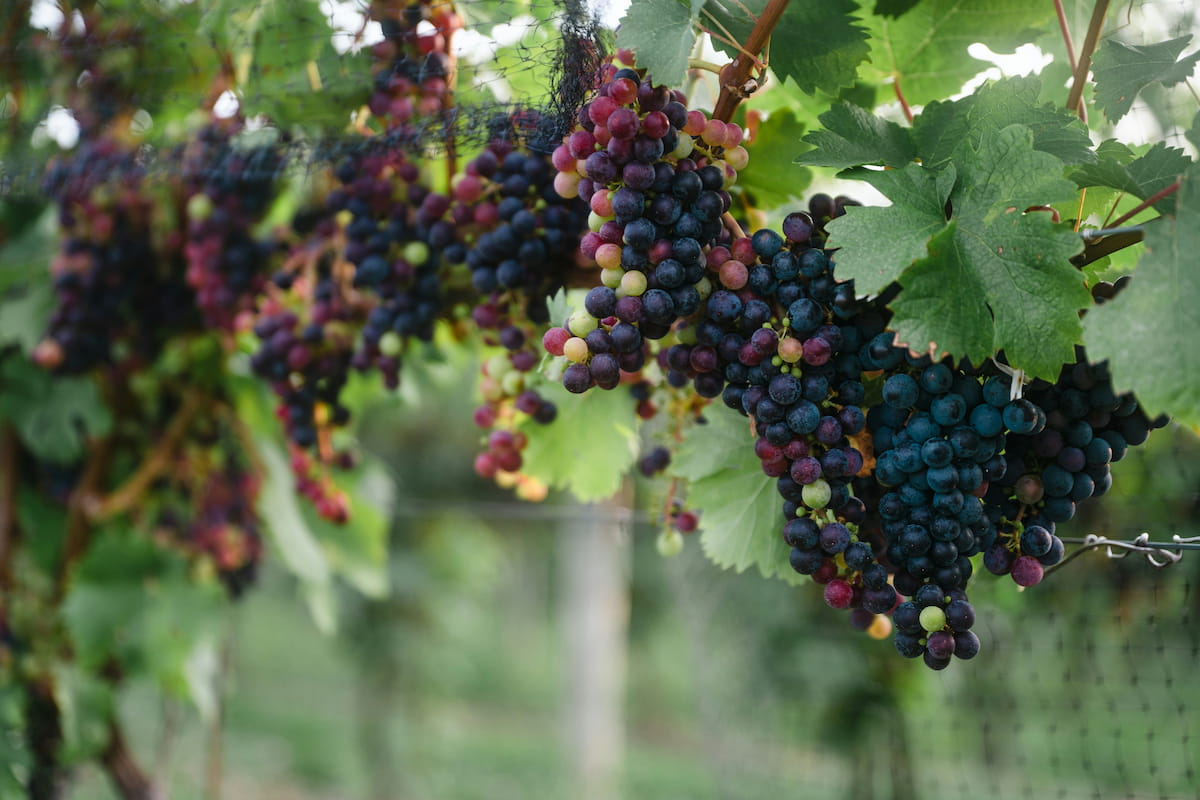
Standing at the rim of Cascadilla Gorge in Ithaca — a free city trail that most visitors walk straight past — I understood what makes the Finger Lakes different. The beauty here isn’t curated for tourists. It’s just there, carved by glaciers and waiting for anyone willing to show up.
Stretching across eleven glacier-carved lakes in upstate New York, the Finger Lakes region packs waterfalls, world-class Riesling, working farms, and genuine spa retreats into a destination that most people overlook on the way somewhere pricier. Tasting fees run $10–15 per person at wineries that rival anything in Sonoma. State park gorges cost $8–10 to park and less than nothing to be awed by. The region’s flagship luxury resort, Inns of Aurora, delivers a spa experience Vogue has ranked among the world’s best — and it’s still reachable without a transatlantic flight. This guide verifies every number and makes the case that the Finger Lakes are the most underpriced wellness destination in the eastern United States.
What’s In This Guide
📅 Best Time to Visit the Finger Lakes
The sweet spot is September through early October — harvest season brings the region to life with wine events, farm stands overflowing with produce, and foliage that turns every gorge into a cathedral. May and early June run a close second: wildflowers, empty trails, and winery staff who actually have time to talk wine with you.
Where to Stay in the Finger Lakes
The Finger Lakes is a driving region — you’ll anchor your stay and explore by car. Watkins Glen and the southern Seneca Lake corridor put you closest to the gorges and wine trail. Aurora on Cayuga Lake is the address for the region’s luxury resort. For most visitors, Watkins Glen makes the most practical home base. All rates verified April 2026; New York State lodging tax of 12–15% applies on top of listed rates.
A no-frills but genuinely likeable motel right on Route 14 along Seneca Lake, a short drive from both Watkins Glen State Park and the southern wine trail. Rooms are clean and straightforward, the heated pool and lakeside gazebo are legitimate perks, and the location is hard to beat for this price point. Reviewers consistently call it a “quiet, comfortable stay” — exactly what a gorge-hiking, winery-hopping week calls for.
An AAA Four Diamond property sitting directly on Seneca Lake in the heart of Watkins Glen — this is the region’s most polished mid-range option, and it punches comfortably above its price. Generously sized rooms, many with lake-view balconies, Starbucks coffee stations on every floor, on-site fine dining at Blue Pointe Grille, and a concierge team that knows the wine trail cold. The weekly wine package bundles a VIP tasting pass for 12 wineries at a significant savings.
Five historic estates lovingly restored on the shores of Cayuga Lake, united into one of the East Coast’s most distinctive luxury resorts. Vogue has ranked the on-site spa among the world’s top 100 — the hydrotherapy circuit alone, with four hot soaking pools, steam rooms, and cold plunges, justifies a stay for wellness travelers. A $37/night resort fee (tax included) covers morning coffee with homemade granola, s’mores kits, kayaks, canoes, and a full activities calendar. Note: most properties do not accommodate children under 12.
Get Our Free Finger Lakes Trip Planner
Which lakes, which wineries, which gorge trails — we’ll send the condensed cheat sheet straight to your inbox.
15 Best Finger Lakes Experiences
The Finger Lakes split naturally into three registers of experience. Five experiences cost nothing — the gorge trails, the lakefront parks, and the winery-lined driving routes that are free the moment you point your car down Route 14. Five more are modestly priced, from park parking fees to tasting flights that rival anything in wine country at a third of the cost. The final five are the region’s signature occasions — spa treatments, private sommelier sessions, and that hot air balloon drift over the vineyards at golden hour.
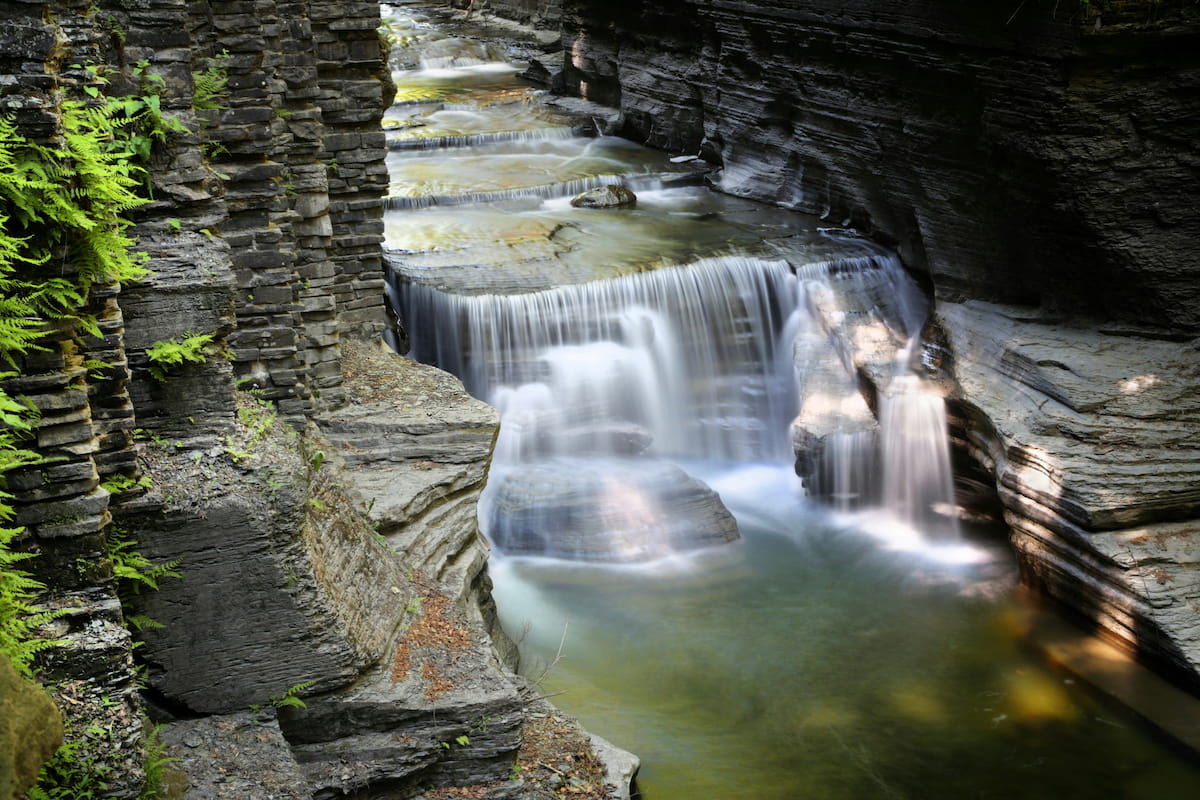
One of the most spectacular free gorge walks in the eastern United States, Cascadilla Gorge cuts straight through the city of Ithaca — no park fee, no reservation, no parking charge if you walk in from the Cornell campus side. The trail follows a stream through a sequence of waterfalls and carved stone walls for about a mile, connecting downtown Ithaca to the Cornell University Arts Quad. It’s genuinely beautiful in a way that earns the word, and the combination of urban accessibility and wild scenery is unlike anything else in the region.
💡 Start from the Libe Slope side near the Cornell campus for the easier downhill direction, then walk back through downtown Ithaca’s Commons for lunch. The gorge is open year-round, though winter ice makes it adventurous rather than strenuous.
More than 4,300 acres of gardens, natural areas, and botanical collections spread across the Cornell campus and surrounding land — and completely free to everyone. The F.R. Newman Arboretum alone contains hundreds of tree species across rolling terrain with lake views. The cultivated gardens peak in June with flowering perennials and again in October with foliage. The natural areas include trails through old-growth forest and along Fall Creek, another stunning gorge walk that feels utterly removed from the university campus surrounding it.
💡 Download the trail map before you go — the natural areas are less signposted than the formal gardens. The Mundy Wildflower Garden, tucked near the lower slope, is exceptional in May and early June.
The free public lakefront park right in Watkins Glen village, sitting directly on the southern tip of Seneca Lake. Clute Park has a swimming beach, picnic grounds, a playground, and boat launches — all genuinely free to access. In the evening, the park becomes one of the best sunset vantage points in the region, with the full length of Seneca Lake stretching north in a mirror of amber light. It’s an easy walk from downtown Watkins Glen and from most accommodations in the village, making it a natural end-of-day destination after gorge hiking or winery visits.
💡 September and October sunsets from Clute Park are particularly spectacular as the lake takes on the colors of the surrounding foliage. Bring a bottle from one of your winery visits and watch the sun go down — this is what the Finger Lakes are actually about.
A 156-foot waterfall in the middle of a small village, accessible from the road with zero barrier to entry. Montour Falls sits just south of Watkins Glen on Route 14, and the main falls are visible from the street — you can walk right up to the base of the cascade without paying anything or going anywhere. The village is charming in its own right, with a handful of local businesses and a relaxed pace that contrasts with the tourist energy of Watkins Glen. Several smaller cascades are scattered through town and accessible via short walks.
💡 Pair this with a stop at one of the southern Seneca Lake wineries on Route 14 and you have a perfect half-day loop. The falls are most dramatic after a rain — spring and fall see the best flow.
The 70-mile loop around Seneca Lake — the deepest of the Finger Lakes at over 600 feet — is one of the most beautiful drives in New York State. Routes 14 (west shore) and 96A (east shore) wind through vineyard after vineyard, with the lake appearing and disappearing between rows of Riesling and Cabernet Franc. Driving the full loop takes about two hours at a relaxed pace, or you can anchor to one shoreline and build your day around three or four winery stops. The landscape alone, especially in late September when the vines turn gold and red, costs nothing to experience.
💡 The west shore (Route 14) has more wineries concentrated in the south near Watkins Glen. The east shore has fewer but often more striking vineyard vistas. For a first visit, drive the west shore south-to-north in the morning and return via the east for afternoon light on the lake.
The signature attraction of the entire region: 19 waterfalls packed into a 1.5-mile trail that winds through hand-carved tunnels, over suspension bridges, and directly behind curtains of falling water. The park charges $8–10 per vehicle for parking — a reasonable price for one of the most visually dense gorge experiences in the country. Note that as of summer 2026, the main tunnel entrance is under construction and the Gorge Trail is accessed via the North Rim Trail from all three entrances; the shuttle between entrances runs seasonally.
💡 Arrive before 8am on summer weekends or the parking lot fills completely. The free shuttle connecting all three park entrances means you can hike one-way downhill — take the shuttle to the upper entrance and walk down to town for breakfast.
Home to the tallest waterfall east of the Rocky Mountains at 215 feet — taller than Niagara Falls — Taughannock Falls sits on Cayuga Lake near the village of Trumansburg. The main falls trail is an easy 0.8-mile flat walk from the parking area to the base of the cascade, making it accessible to essentially everyone. The surrounding state park offers additional rim trails with views down into the gorge from above, plus lake access, camping, and picnic areas. It’s a deeply satisfying stop that takes only an hour but stays with you for considerably longer.
💡 The overlook viewpoint above the falls requires a separate approach via the rim trail — don’t skip it. The view from above the 215-foot drop looking down into the gorge bowl is entirely different from the base view and equally worth the extra 20 minutes.
The Finger Lakes is one of the most affordable wine-tasting regions in the world relative to wine quality. Tasting fees at most wineries on the Seneca Lake Wine Trail run $10–15 per person for five-wine flights — and many wineries credit the fee toward a bottle purchase. Barnstormer Winery charges $12 for five wines. Smaller, family-run estates often charge less. The Rieslings here genuinely compete with German and Alsatian versions at a fraction of the import price. Most wineries are unpretentious, appointment-free (except for groups), and more than willing to spend time on the story behind each glass.
💡 Plan three winery stops maximum per day to actually absorb what you’re tasting. The temptation to hit seven wineries in a day is real, but you’ll remember none of them. Ask each winery what’s pouring that’s not on the standard flight — small-production single-vineyard wines often never make the tasting list.
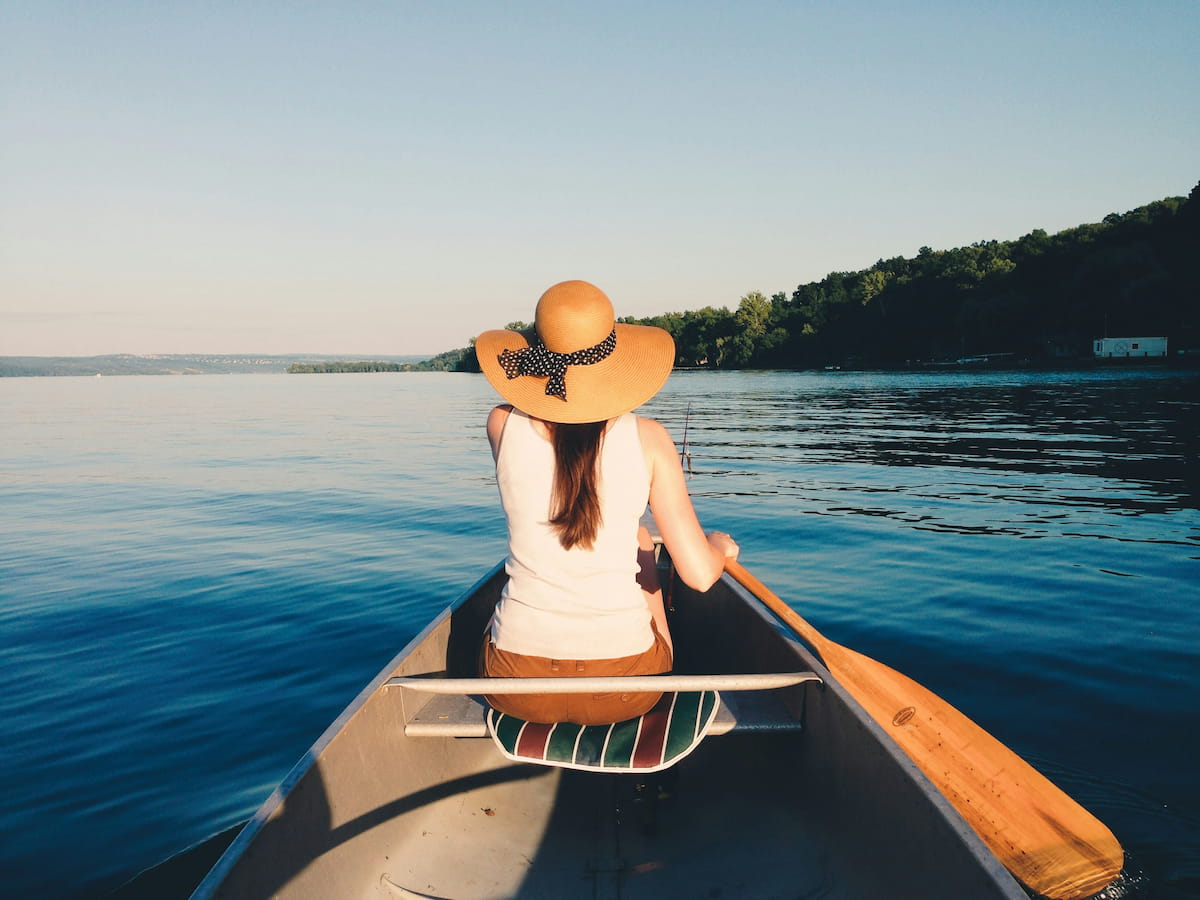
Seneca and Cayuga are long, narrow lakes with remarkably calm water on most mornings — ideal conditions for kayaking or paddleboarding at a gentle pace. Several outfitters along both lakes rent single and tandem kayaks, canoes, and paddleboards for $20–40/hour. The perspective from the water looking back at vineyard-covered hillsides is completely different from the driving experience, and getting out on the lake before 9am rewards you with still water, low light, and near-total solitude. Guests at Inns of Aurora get complimentary kayak and canoe access, making it one of the resort’s strongest value inclusions.
💡 Morning paddling is dramatically better than afternoon. Summer afternoons bring wind patterns on the Finger Lakes that can make the return paddle much harder than the outbound leg. Plan to be back on shore by 11am for the calmest conditions.
One of the genuinely great American museums, housed in Corning about 20 minutes south of Watkins Glen: 50,000 pieces of glass spanning 3,500 years of human craft, live glassblowing demonstrations running throughout the day, and a hands-on studio where you can make your own glass object. Your $22 ticket is valid for two consecutive days — a generous policy at a museum that really does take more than one visit to absorb. Children 17 and under enter free, making this one of the strongest family value propositions in upstate New York. The Chihuly collection alone justifies the trip from Watkins Glen.
💡 Book your “Make Your Own Glass” studio session in advance online — they fill quickly, especially in summer. The combined ticket with the Rockwell Museum (a short walk across a pedestrian bridge) saves money if you plan to visit both.
The Spa at the Inns of Aurora has been ranked by Vogue among the world’s top 100 spas — not a marketing claim but a measurable distinction in a category with real competition. The hydrotherapy circuit includes four hot soaking pools, two cold plunges, steam rooms, and co-ed and single-gender saunas set within a farm-inspired campus with Cayuga Lake views. Treatments start around $95 for shorter sessions and climb to $200–250 for extended bodywork and facial combinations. Spa reservations are required and must be booked in advance — walk-in access is not available.
💡 Book your spa time when you book your room — the calendar fills weeks ahead for weekend visits. Midweek stays (Monday–Thursday) through April 2026 qualify for the Hydrotherapy Package, which includes spa access for two per night stayed.
Captain Bill’s in Watkins Glen operates seasonal cruises on Seneca Lake — a two-hour glide across the deep water with the vineyard-covered hills receding to the north and the sunset turning everything orange. The experience of seeing the wine country from the water, surrounded by the lake’s famous stillness, is one of those Finger Lakes moments that visitors cite years later. Wine and cocktails are typically available on board. Cruises run from May through October and book out quickly on weekend evenings in summer and fall — plan ahead.
💡 The fall foliage sunset cruises in early October are the most sought-after. Check Captain Bill’s schedule well in advance and book the evening departure for the best light conditions on the lake.
Several Finger Lakes producers offer private, appointment-only tasting experiences that go considerably deeper than the standard tasting room. A private session with a winemaker or sommelier walks you through allocated single-vineyard bottles, barrel samples, and the specific geology behind each wine’s character. Hermann J. Wiemer, Dr. Konstantin Frank, and Red Tail Ridge are among the Finger Lakes estates offering elevated tasting tiers. Prices run $65–125/person for 90-minute to two-hour experiences, often including library wines and food pairings that aren’t available to general visitors.
💡 Call ahead rather than booking only through the website — winery staff can often customize a private session around your specific interests, whether that’s Riesling across multiple vintages, natural wine production methods, or the estate’s approach to Cabernet Franc.
The dining room at Inns of Aurora’s flagship restaurant sits at the edge of Cayuga Lake, serving locally sourced meals that change with what’s arriving from the farm that week. The kitchen draws from the estate’s own gardens and relationships with Finger Lakes producers — the same farms whose produce fills the region’s wine-country reputation. Expect four to five courses at dinner, with a wine list that leans heavily on the surrounding region’s best bottles at fair markups. A meal here is less a restaurant experience and more a distillation of why the Finger Lakes food scene deserves its own conversation.
💡 Reserve well in advance for weekend dinner seatings — the dining room is intimate and fills with both hotel guests and day visitors. Lunch and brunch are often easier to book and offer many of the same local sourcing commitments at lower price points.
Several operators in the Finger Lakes region run hot air balloon flights over the wine trails and lakes — typically launching at dawn to catch still air and the early light falling across the vineyard rows. The view from 1,000–2,000 feet over Seneca or Cayuga Lake, with the patchwork of vines and hillside farms spread below, is a perspective that no amount of driving or hiking replicates. Flights typically run 60–90 minutes and most operators include a champagne toast on landing. The experience lands in a different category from everything else on this list: not quite an activity, more a memory format.
💡 Balloon flights are weather-dependent and regularly reschedule — book with an operator who offers a firm rain-check policy. September and October flights offer the best visibility and foliage color from altitude. Morning launches are non-negotiable; afternoon wind patterns make flights impractical most days.
Worth It / Skip It
Don’t Make These Mistakes
Arriving at Watkins Glen State Park after 9am on a summer weekend. The parking lot at the Main Entrance fills completely and early — visitors who arrive at 10am on a Saturday in July routinely get turned away. The free shuttle runs between all three entrances during peak season, so the practical fix is arriving before 8am, parking at the South or North Entrance, and taking the shuttle rather than fighting the main lot. The gorge is always worth the early wake-up.
Not checking whether your dates overlap with a NASCAR race weekend at Watkins Glen International. The race circuit hosts major events each summer that transform the entire region — hotels within 30 miles sell out months ahead, prices spike dramatically, and the wine-country atmosphere that draws most visitors completely disappears. If racing is your interest, plan for it intentionally. If it isn’t, check the race schedule before booking anything and choose different dates.
Booking a stay at Inns of Aurora without accounting for the no-children policy. Most properties at the Inns of Aurora do not accommodate children under 12, with the exception of Orchard Cottage and full-property private rentals. Families who book without checking this policy face the frustrating experience of being turned away or reshuffled into different accommodations. If you’re traveling with children, confirm directly with the resort before booking and ask specifically about which properties allow kids.
Planning your trip around only one lake. The Finger Lakes is a multi-lake region and treating it as a single destination misses the point. Seneca has the gorge and the densest wine trail. Cayuga has Ithaca’s free gorge trails, Taughannock Falls, and the best luxury resort in the region. Keuka Lake has a completely different wine character and a quieter atmosphere. A five-night trip that crosses two or three lakes is substantially richer than five nights anchored to one.
VacayValue Scorecard — Finger Lakes, NY
Packing List — Finger Lakes, NY
Save This Guide for Your Finger Lakes Trip
We’ll send the condensed packing list, winery picks, and gorge trail cheat sheet so you’re ready to go.
The Finger Lakes Deliver Genuine Wellness at a Price That Holds Up
Most wine-country wellness destinations make you choose between the experience and the budget. The Finger Lakes is the exception: gorge trails that cost nothing to walk, winery tastings that run $10–15 for wines that have no right to be that good at that price, and a spa resort that has earned a legitimate global reputation without requiring a transatlantic journey to reach it. The landscape does a lot of the heavy lifting here — the glacially carved lakes, the 19-waterfall gorge, the 215-foot curtain of water at Taughannock — and none of it charges admission for simply being there.
The honest caveats are these: accommodation outside of budget motels gets pricey in peak season, a rental car is non-negotiable for the entire region, and the luxury tier at Inns of Aurora is a genuine splurge that requires advance planning to execute properly. The region also rewards slower travelers — those willing to linger at a single winery for two hours rather than hit seven in a day get considerably more out of the experience. But for visitors who approach it with that patience, the Finger Lakes consistently overdeliver on what the price tag implies.
At a VacayValue Score of 8.4, the Finger Lakes sit comfortably in the company of destinations that cost twice as much to visit and deliver comparable beauty. For East Coast travelers in particular, it’s one of the most underpriced extended weekends — or full weeks — available without a passport.