
Amalfi Coast: What a Week Actually Costs (And Where to Splurge)
One of Europe’s most dramatic coastlines doesn’t have to wreck your budget — if you know where to stay, how to get around, and which experiences are genuinely worth the price tag.
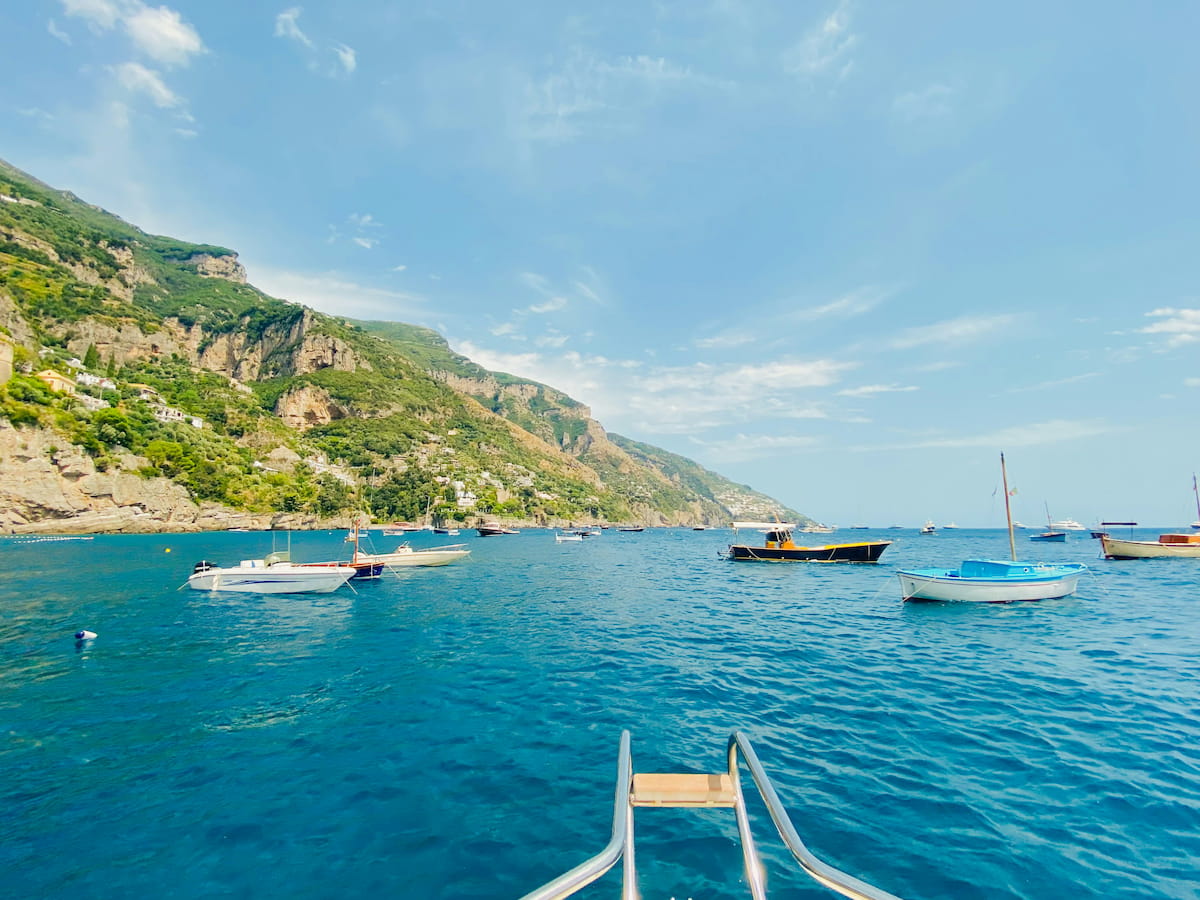
There’s a moment on the ferry from Amalfi to Positano — the cliffs stacking up like something a set designer would reject as too dramatic — where the cost of the flight disappears entirely from your mind. The Amalfi Coast earns every superlative it gets. The bill, though, requires a plan.
This is Italy’s most photogenic 30 miles of coastline, and the market knows it. Hotels in Positano are priced like the views should cost extra. Restaurants add a mandatory cover charge before you touch the bread. Ferries sell out in July. None of this means the trip is off the table — it means the difference between a memorable week and a financially painful one comes down to choices: which town you base yourself in, whether you take the SITA bus or a private water taxi, and where you decide the splurge is actually worth it. This guide breaks down every cost so you can make those calls with your eyes open.
What’s In This Guide
📅 Best Time to Visit the Amalfi Coast
May and September are the coast’s best-kept open secrets. You get all the drama — the cliffs, the ferries, the lemon groves — without the July price tags or the August sardine-can buses. October is worth serious consideration for photographers: the golden light on the terracotta villages is unlike anything the summer months produce.
Where to Stay on the Amalfi Coast
The biggest cost lever on the Amalfi Coast isn’t your flight — it’s which town you base yourself in. Positano charges a premium that can be 3–4× what you’d pay in neighboring Maiori or Minori, and those towns sit just 15 minutes away by ferry. All rates below are per room per night in shoulder season (May or September), verified March 2026. Each town levies a tourist tax of €2–5 (~$2–$5) per person per night paid directly at checkout — build this into your budget for groups.
Maiori has the longest sandy beach on the entire Amalfi Coast — a fact that most visitors flying straight to Positano never discover. Hotels here run $110–$170 per night for clean, sea-view rooms that would cost $350+ in Positano. Minori, the next town over, is equally affordable and famous for its pastry shops — it hosts the Festival della Sfogliatella Riccia each September. Both towns are flat, a rarity on this vertical coastline, and connect to Amalfi by ferry in under 10 minutes during season. You trade the Instagram backdrop of Positano for genuine village life, reliable availability, and money in your pocket for experiences.
Staying in Amalfi town puts the main ferry hub for the entire coast outside your door — Positano, Ravello, Capri, Salerno, and Minori are all within reach without a car. Mid-range three-star hotels here run $200–$320 per night in shoulder season, with options ranging from simple rooms above the piazza to comfortable hotels steps from the beach with sea-view terraces. The town itself is denser and more commercial than the villages, but its central position is hard to argue with for travelers who want to see everything. Hotel La Bussola is a frequently recommended property directly on the waterfront with easy ferry access.
Positano hotels are among the most scenically positioned properties in Europe, and the prices reflect it. Cliffside rooms with private sea-view terraces run $420–$750 per night in shoulder season — and considerably more in July and August. Le Sirenuse is the coast’s most iconic luxury address, with panoramic views, a celebrated dining room, and the kind of white-and-blue design that made Positano famous. At this price point, you’re paying as much for the vantage point as the room itself. Families should know that Positano is built entirely on steep stairs — there is no flat terrain, and even moving luggage requires a porter service.
Get Our Amalfi Coast Trip Planner
Ferry schedules, packing tips, and the budget breakdown — delivered to your inbox before you book.
15 Best Amalfi Coast Experiences
The Amalfi Coast divides neatly between what you can do for free — and it’s more than you’d expect — and the paid and signature experiences where your money genuinely earns its keep. The five free experiences here aren’t consolation prizes; the Path of the Gods hike rivals anything the coast charges for. The paid tier includes two of Italy’s great archaeological and architectural sites. The signature tier is where the coast shows you its most private face.
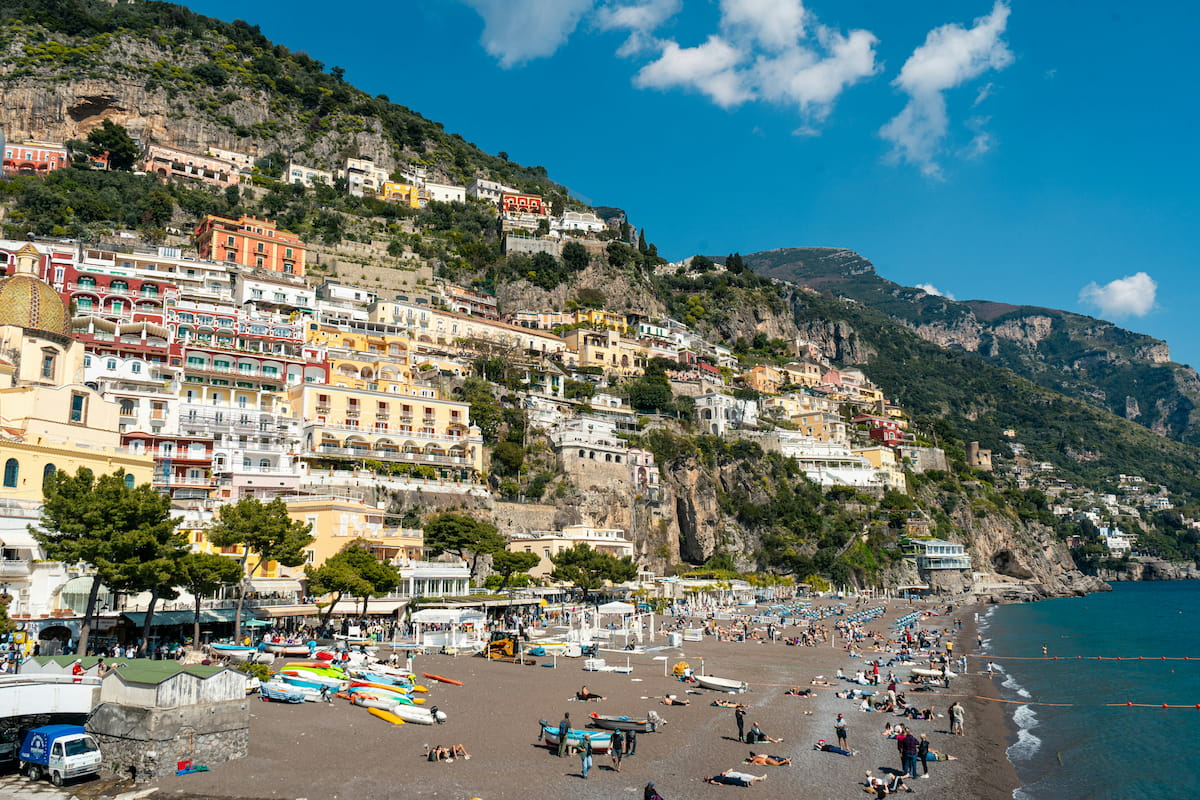
Positano’s famous cascade of pastel houses, bougainvillea-draped staircases, and boutique-lined alleys costs nothing to explore on foot — and this is genuinely the best way to experience it. The town’s character lives in the details: a ceramic-tiled church dome catching morning light, a linen dress spinning in the breeze outside a tiny shop, the slow churn of fishing boats at the pier. Spiaggia Grande, the main beach, is public and free for walking and swimming; sunbeds and umbrellas from the beach clubs run €20–30 per chair if you want the set-up, but you can lay a towel on the public stretch for nothing. Arrive before 10am to have the lanes to yourself before the day-trippers arrive by ferry.
💡 The cliff staircase from the SS163 bus stop down to the beach takes about 20 minutes each way — wear shoes you trust on wet stone, and pack light for this descent.
A 7-kilometer trail carved across the cliff face above Positano, the Sentiero degli Dei is one of the finest coastal hikes in Europe and carries no admission fee. The route runs from Bomerano (above Agerola) to Nocelle, descending 1,500 steps into Positano — typically walked west to east to avoid climbing those steps at the end. Along the way, the Tyrrhenian stretches out below, the island of Capri floats on the horizon, and the terraced lemon groves smell of everything you imagined before you booked the flight. The trail takes 3–4 hours at a comfortable pace and requires basic hiking shoes and sun protection. The SITA bus from Amalfi or Positano to Bomerano is the standard way to reach the trailhead.
💡 Start early — by 10am the trail gets crowded, and by noon the exposed sections become uncomfortably hot in summer. April, May, September, and October are the prime hiking months.
Tucked just around a cliff from Amalfi town — a five-minute walk along the beach — Atrani is the smallest municipality in Italy and one of the coast’s most authentic corners. It has a proper piazza, a fountain, a medieval church (Santa Maria Maddalena), and a small beach that’s dramatically less crowded than anything in Positano. Almost no tour groups find it, even in August. Residents still live here year-round, the café on the square serves espresso at local prices, and the absence of boutiques selling painted ceramics for €45 is part of the point. An hour in Atrani feels like a different era of travel.
💡 The annual Sponge Cake Festival in late July draws crowds even to this quiet village — either time your visit to coincide with it or specifically avoid it depending on your tolerance for company.
The Furore Fjord is a dramatic slot canyon where the mountains split open and a sliver of turquoise sea appears below — one of the most arresting views on the entire coast, and visible at no cost from the road bridge above. Every summer, cliff divers compete here in the Gara Internazionale di Tuffi, leaping from the bridge into the narrow channel below. The tiny beach at the base of the fjord (reached by a steep staircase) is technically accessible but genuinely challenging — most visitors are content with the view from the bridge, which is extraordinary enough. The SITA bus stops nearby on the SS163 between Positano and Amalfi.
💡 The viewpoint is best in morning light when the canyon glows rather than falls into shadow. Combine it with a walk to the Fiordo di Furore village above, known for its painted house murals and small local winery.
The main square in Amalfi is one of the great public rooms of southern Italy — the black-and-white striped cathedral stairs rising at one end, tables spilling out of cafés on three sides, and the port visible through the archway at the bottom. The nave of the Duomo di Sant’Andrea is an active place of worship and free to enter; the experience of standing inside a medieval church built in the 9th century, watching tourists and worshippers co-exist in the same space, is worth the ten-minute detour. The waterfront promenade alongside the port is equally free — watch the ferries arrive from Positano and Capri, eat a granita from a street stall, and feel the particular pleasure of doing nothing in the right place.
💡 The Piazza Duomo on a summer evening — after the day-trippers have gone and the locals reclaim their tables — is one of the coast’s most underrated free pleasures. Plan to linger past 7pm.
The cathedral’s public face is free, but the full experience — the 13th-century Cloister of Paradise with its interlaced Arab-Norman arches, the crypt housing the relics of Saint Andrew, and the Diocesan Museum — requires a small admission to the museum complex (~€5, ~$5). It’s one of the best five-dollar decisions you’ll make on the coast. The cloister alone, with its garden of ancient columns and interlocking Moorish arches, is a remarkably serene pocket of medieval architecture that most visitors walk past without knowing it exists. Tickets are purchased at the entrance to the cloister on the north side of the cathedral square.
💡 Go at opening time (9am) or in the hour before closing. The cloister midday is the most crowded tourist trap on the entire coast; early and late visits are nearly empty.
Located in Conca dei Marini between Positano and Amalfi, the Emerald Grotto is a natural sea cave whose flooded interior glows a vivid green when sunlight penetrates through an underwater opening. Admission is €6 (~$7) and includes a short guided rowboat tour inside the cave. The effect is genuinely striking — not quite the Blue Grotto of Capri’s fame, but considerably less crowded and a fraction of the cost. Access is by elevator from the SS163 above or by boat from Amalfi or Positano. Open daily approximately 10am to 5pm, but conditions-dependent — rough seas or low tides can affect the light and occasionally close access.
💡 Visit around midday for the strongest emerald color — sunlight enters the underwater opening most directly between 11am and 2pm. Bring a waterproof phone case; the rowboat is intimate and splashing is part of the experience.
One hour from the coast by SITA bus plus Circumvesuviana train, Pompeii is among the most extraordinary archaeological sites on earth and earns its own full day from any Amalfi Coast itinerary. The standard admission ticket is €18 (~$20) per adult for self-guided access; the Pompeii+ ticket (€22, ~$24) adds the suburban villas route. From mid-March through October, daily visitor caps apply and timed entry slots are required — book online at vivaticket.com at least a week ahead. Children under 18 enter free. The site spans 66 hectares of streets, baths, houses, and theaters frozen by the 79 AD eruption of Vesuvius, and genuinely requires 3–4 hours to do justice.
💡 The afternoon entry slot (1–5:30pm) is significantly less crowded than the morning session — cruise ship groups typically clear out by 1pm, and the light on the ruins in late afternoon is softer and better for photographs.
Ravello perches 350 meters above the sea on a ridge above Amalfi, accessible by SITA bus or taxi, and Villa Rufolo is its jewel: a 13th-century estate whose terraced gardens inspired Wagner’s vision of the enchanted garden in Parsifal. Admission is €7 (~$8) and includes the gardens, the medieval Arab-Norman architecture of the main building, and panoramic views across the coast that stop conversations mid-sentence. During the Ravello Festival (July–September), the open-air stage here hosts world-class classical concerts above the sea. Villa Cimbrone, a five-minute walk away, charges the same admission and features the famous Terrazza dell’Infinito — a belvedere lined with classical busts overlooking the Gulf of Salerno. Both on the same afternoon is very much a plan worth executing.
💡 The Amico shuttle bus from Amalfi to Ravello runs regularly and avoids the white-knuckle taxi switchbacks — book the shuttle online to guarantee a seat, particularly in July and August.
The ferry from Amalfi or Positano to Capri costs approximately €23–25 (~$26–28) per person each way, including the €2.50 Capri Island tax — making a round-trip ferry about $53–57 per person, with the island itself free to wander once you arrive. Capri’s highlights — the Piazzetta, the Gardens of Augustus, the chairlift up Monte Solaro, the coastal path around the island — range from free to modest in cost. The Blue Grotto, if you choose it, requires a separate rowboat entrance ticket of approximately €18 (~$20) plus the boat transport to reach it. Ferries run April through October; book return tickets at the harbor the morning of your visit, or at least a day ahead in July and August when boats sell out.
💡 The last ferry from Capri back to the coast typically departs by late afternoon — confirm your return time at the Capri harbor ticket office when you arrive, and leave yourself buffer time for queues at Marina Grande.
The single best way to understand why the Amalfi Coast looks the way it does — the scale of the cliffs, the hidden coves, the grottos cut into the rock — is from the water. Group half-day boat tours depart from Positano and Amalfi from €50–90 (~$55–100) per person, typically covering the Furore Fjord, the Emerald Grotto entrance, swimming stops in clear water, and a cruise past the Li Galli Islands (the private archipelago traditionally linked to Homer’s Sirens). Groups are capped at around 12–15 passengers on coast-departure boats, which keeps the experience closer to a private excursion than the 80-person barges that circle Capri. Book 3–4 days ahead in peak season, the day before in May or October.
💡 A late-afternoon departure (typically 5–6pm, 2–3 hours) costs the same or less, includes the coast in golden-hour light, and ends with the sun dropping behind the mountains — some of the most requested photography on the coast happens from these sunset tours.
The sfusato amalfitano — a lemon the size of a small grapefruit, intensely aromatic, grown on terraced hillsides above the coast since the 10th century — is as central to Amalfi as the cathedral. Lemon grove tours in Minori or Amalfi run €18–30 (~$20–35) per person and include a guided walk through working terraces, an explanation of traditional terrace farming techniques, and a limoncello tasting. Some operators add a full limoncello-making session or a granita demonstration. The groves themselves are impressive — the terrace infrastructure required to carve farmland into vertical cliffs is an engineering feat that’s completely invisible from the road.
💡 The best limoncello on the coast is sold in unmarked bottles by farmers at roadside stalls — often labeled just with the family name — rather than in the ceramic bottles at tourist shops in Amalfi’s piazza. Ask your grove tour guide where they buy theirs.
A private boat — your boat, your route, your stops — changes the Amalfi Coast from a place you visit to a place you inhabit. Private half-day charters from Positano or Amalfi start around €500 (~$550) for a 2-hour minimum, regardless of party size, making the per-person cost competitive with group tours for parties of 4 or more. Your skipper takes you to beaches accessible only from the water, through sea caves the group ferries don’t stop at, and lets you swim in a cove with no one else in it. Full-day private charters to Capri run €2,000–€2,750 (~$2,200–$3,000) for the boat. The planning involved — choosing operator, route, and timing — is half the experience, and the right afternoon light on the cliffs from a private deck makes it definitive.
💡 Book a private boat for late afternoon departing around 5pm — you’ll have calmer seas than morning, the cliffs in golden light, and the coast increasingly to yourselves as day-trip boats return to port. This is what the Amalfi Coast postcards were photographed from.
The Ravello Festival runs from late June through early September — a summer of classical music, contemporary dance, and literary events staged at Villa Rufolo’s open-air terrace 350 meters above the sea. Concert tickets run €30–€150 (~$33–$165) depending on the performance and seating tier. The setting does things to music that no indoor hall can replicate: an orchestra playing Vivaldi while Capri floats on the horizon behind them, the sea breeze carrying the sound up into the garden, the sky shifting through every register of Mediterranean blue until dark. This is the planning-dependent experience on the Amalfi Coast — you choose your dates around the festival program, not the other way around. The official schedule is released at ravellofestival.com each spring.
💡 Stay overnight in Ravello on concert evenings rather than descending to Amalfi — the village after the last guests leave is extraordinarily quiet, and the morning view from Ravello before any tourists arrive is its own reward.
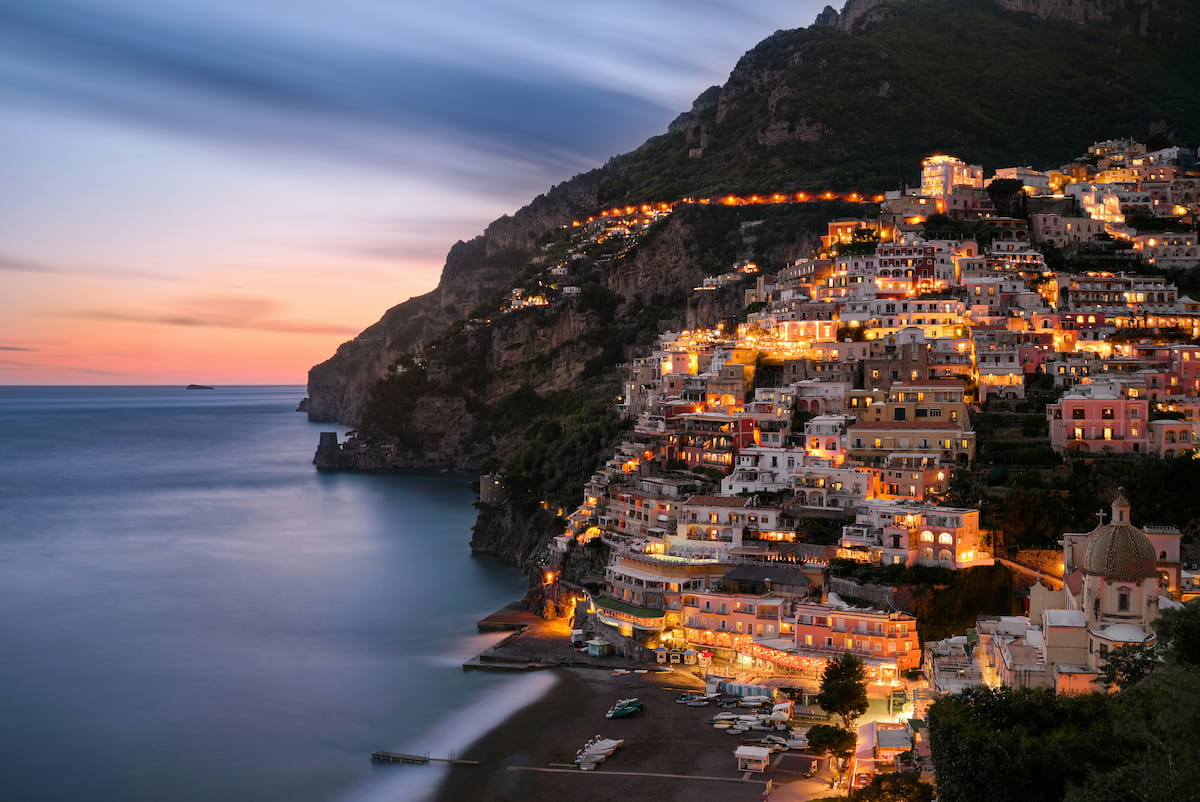
The Amalfi Coast has Michelin-starred dining, but its defining culinary experience isn’t a tasting menu — it’s a simple meal done right on a terrace where the sea fills the view below and the cliffside lights come on one by one as the sun drops. In Positano, restaurants like La Sponda (inside Le Sirenuse hotel, the coast’s most celebrated dining room) or the simpler but spectacular seafood spots on Fornillo Beach deliver this. Budget $100–$200 per person with wine — the mandatory coperto (cover charge) of €3–5/person is added to every bill in addition to service. The experience isn’t about the price of the pasta. It’s about sitting above the Tyrrhenian Sea at 9pm in July with a glass of Falanghina and feeling that the world temporarily contains nothing else.
💡 Reserve at least two weeks in advance for dinner in Positano during July and August — the best sea-view tables at top restaurants are essentially reserved for hotel guests by high season. Staying in Positano is the surest way to secure the right table at the right time.
Worth It / Skip It
Don’t Make These Mistakes
Going to the Amalfi Coast without booking accommodation at least 2–3 months in advance. The coastal towns are small and hotel inventory is genuinely limited — not just tight in the way popular destinations are tight, but physically constrained by geography. Positano has approximately 25 hotels serving millions of annual visitors. By May, the best properties at every price tier are full for July and August. Arriving without a booking in peak season means accepting whatever is left, which is usually far inland or far overpriced. Set a calendar reminder, book before you buy the flight.
Taking the SITA bus without checking the schedule and standing in the right place. The SITA bus along the SS163 is infrequent, frequently overcrowded in summer, and does not stop where you’re standing unless it’s a designated stop. In July and August, buses arrive from Amalfi already at capacity, leaving passengers at intermediate stops stranded. Know your stop, have your ticket purchased in advance (they cannot be bought on the bus), and build in 30–60 minutes of buffer for any bus journey in high season. The ferry is genuinely better for most inter-town travel — use the bus for inland destinations like Ravello where ferries don’t go.
Underestimating how physically demanding the coast is. Positano is built entirely on stairs. Amalfi’s hotel rooms are often three flights up with no elevator. The Path of the Gods descends 1,500 steps into Positano at the end. Even the ferry piers involve steep access stairs in Positano. If you have significant mobility limitations, Amalfi town or Maiori are the most accessible bases — flat terrain exists there, and hotel access from the street is manageable. Be honest about your party’s physical capacity before choosing your base town.
Forgetting that the tourist tax is separate from your hotel bill. Every coastal municipality — Amalfi, Positano, Ravello, Maiori, Minori — charges a tassa di soggiorno (tourist tax) of €2–5 per person per night, collected at checkout in cash or by card. For a couple staying 6 nights in Amalfi at €4/person/night, that’s an extra €48 (~$52) that doesn’t appear in your Hotels.com booking total. Build this into your budget alongside the coperto (cover charge of €2–5) that every sit-down restaurant adds to every bill before you order anything.
VacayValue Scorecard — Amalfi Coast
Packing List — Amalfi Coast
Before You Book — Get the Full Breakdown
Ferry timing, hidden costs, and the exact weeks to visit — delivered to your inbox free.
The Amalfi Coast Is Worth Every Euro — If You Go in With a Plan
The Amalfi Coast earns a 6.4 on our value scorecard, and that score deserves some unpacking. This is not a budget destination — accommodation is genuinely expensive, food adds mandatory charges, and the infrastructure of a tiny coastal village bearing millions of annual visitors means you pay a premium for the privilege. The score is not an indictment of the trip. It’s an honest accounting of what you’re trading money for, which is an Experience Quality of 5.0 out of 5.0. There is no coastal scenery in Europe that competes on these terms.
The value case for the Amalfi Coast hinges on three decisions: where you sleep, how you move, and which two or three experiences you choose to invest in. Sleep in Maiori or Minori and you cut your hotel spend by 60% without losing a minute of what makes the coast worth flying to. Move by ferry whenever the season permits, because the $10 boat from Amalfi to Positano is as much of an experience as either destination. Then choose your splurge — a private boat afternoon, a Ravello concert, a proper dinner on a Positano terrace — and let that be the trip’s defining moment rather than trying to make every day one.
The Path of the Gods is free. Pompeii is $20. The ferry across the bay to Capri costs less than a lunch in Positano. This coastline has been hiding a generous value proposition inside an expensive reputation — and the travelers who find it are the ones who come home saying they’d do it again tomorrow.