⚖️ Comparison · Cultural Travel · Southeast Asia
Hoi An vs. Siem Reap: Southeast Asia’s Two Greatest Ancient Towns
Hoi An vs Siem Reap — Vietnam’s lantern city scores 9.2, Cambodia’s temple gateway scores 9.0. The gap is 0.2 points. Most travelers should visit both. Here’s how to choose if you’re picking one — and how to sequence them if you’re not.
⏱ 13 min read
✅ Updated April 2026
💰 Prices verified April 2026
Cultural Travel
Southeast Asia
Value Showdown
VV Score 9.2 Hoi An
VV Score 9.0 Siem Reap
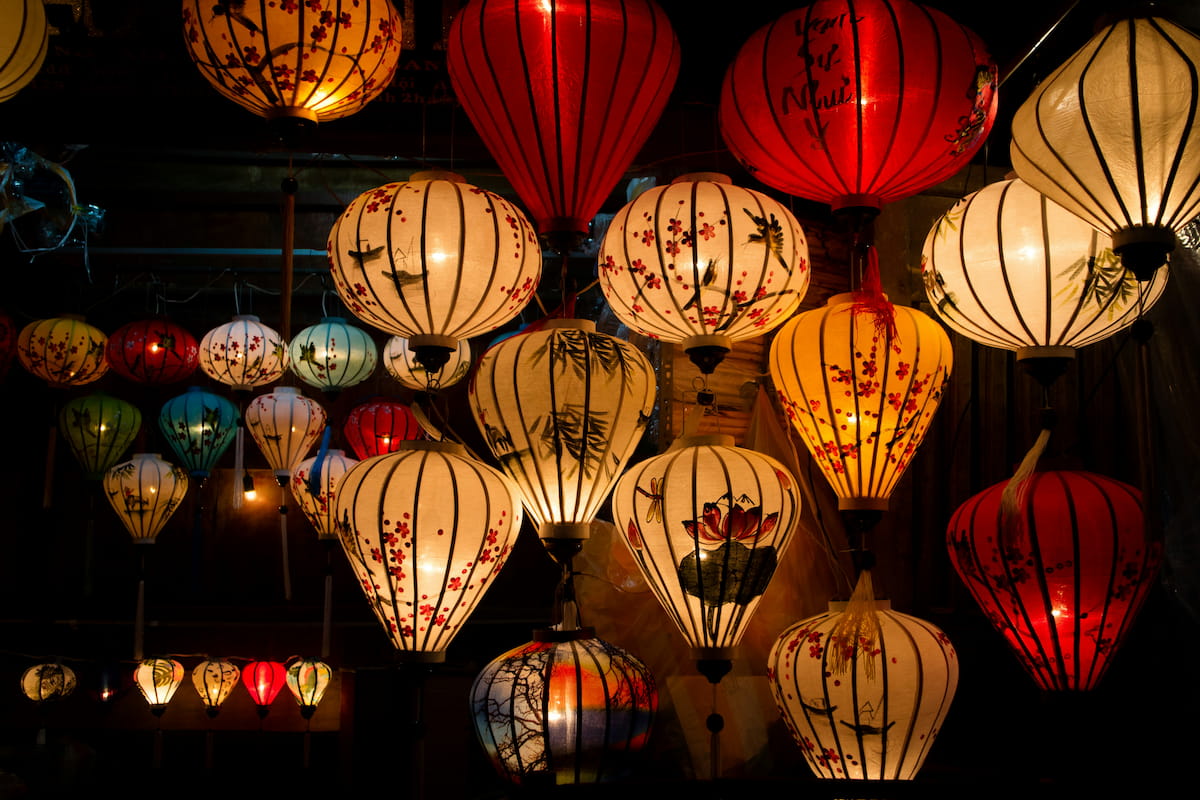
Hoi An, Vietnam

Siem Reap, Cambodia
Hoi An glows at night. Colored lanterns hang from every beam in the Ancient Town, the Thu Bon River reflects them back, and the whole place feels like it’s been lit specifically for you. Siem Reap doesn’t glow — it looms. The temples of Angkor are vast in a way that resets your sense of scale, built by a civilization that moved more stone than the Egyptians. Both are genuinely extraordinary. The gap between their scores is a single half-point in a single category.
Hoi An scores 9.2 on VacayValue — a near-maximum score driven by the lowest accommodation prices in the directory, five-star food affordability, and experiences that cost almost nothing. Siem Reap scores 9.0, held to that number by the meaningful cost of Angkor’s entrance fees. The honest answer for most Southeast Asia travelers: visit both, in sequence, as part of the same trip. The honest answer for those choosing one: this guide resolves it.
Hoi An, Vietnam
9.2
VacayValue Score
Lantern Town
Near-Free Experiences
Siem Reap, Cambodia
9.0
VacayValue Score
Angkor Wat
Temple Complex
Flights — Getting There
Both destinations require a transpacific flight from the US plus at least one connection — this is long-haul travel by any measure, averaging 18–24 hours door to door. Neither city has a meaningful flight cost advantage over the other. The question is which Asian hub you connect through.
✈ Round-Trip Flights from Major US Hubs
Hoi An (via Da Nang — DAD)
$800–$1,400 per person RT
Hoi An has no airport — you fly into Da Nang (DAD), 30 minutes south by taxi or Grab. Da Nang receives connections from Tokyo (ANA/JAL), Seoul (Korean Air/Asiana), Taipei (EVA Air/China Airlines), Hong Kong, and Singapore. Budget end: EVA Air or China Airlines via Taipei often yield the lowest fares from West Coast hubs. From LAX, expect $800–$1,100 RT booked in advance; from East Coast hubs, $1,100–$1,400.
Fly into: DAD (Da Nang) · Transfer to Hoi An: 30 min taxi (~$10)
Best connections: Taipei (EVA) · Tokyo (ANA) · Seoul (Korean Air)
Siem Reap (SAI — New Airport)
$850–$1,500 per person RT
The new Siem Reap–Angkor International Airport (SAI) opened in 2023, replacing the old airport and expanding connectivity. Most US travelers connect through Bangkok (BKK), Singapore (SIN), or Ho Chi Minh City (SGN). Korean Air, Thai Airways, and AirAsia serve SAI with connections. Some itineraries route through Tokyo or Taipei. Comparable pricing to Hoi An from US hubs.
Fly into: SAI (Siem Reap Angkor Intl, new 2023) · 30 min from city center
Best connections: Bangkok (BKK) · Singapore (SIN) · Ho Chi Minh City (SGN)
🤝
Draw — Flight Cost
Both Score 3.5 — Long-Haul with One Connection
Both are transpacific routes requiring a connection. Hoi An routes through East Asian hubs; Siem Reap routes through Southeast Asian hubs. Neither has a meaningful price advantage from US departure cities.
💡 Sequencing Tip
If doing both cities on one trip, the most common routing is:
fly into Da Nang → Hoi An → fly to Siem Reap → fly out of Bangkok or Singapore. This works well as a Vietnam-Cambodia pairing with an open-jaw ticket. Direct flights between Da Nang and Siem Reap exist (Air Cambodia, ~1h15m) but are limited — check availability before planning the connection.
Where to Stay — Dollar for Dollar
Both cities earn a maximum 5.0 on Accommodation Value — and both earn it at price points that feel almost impossible by Western standards. The difference is character: Hoi An’s boutique guesthouses have the Ancient Town’s lanterns and yellow walls as context; Siem Reap’s hotels have Angkor’s jungle-framed temples. Rates verified April 2026.
🏨 Accommodation — Nightly Rate Per Room
Hoi An · Budget
$10–$25/night
Clean, well-reviewed guesthouses within walking distance of the Ancient Town. Free bicycle rental is common at this price point. The value here is genuinely difficult to believe for visitors from Western cities — $15/night for an air-conditioned room with breakfast is standard.
Siem Reap · Budget
$10–$30/night
Siem Reap’s budget hotels near Pub Street and the Old Market area are clean, well-staffed, and often include breakfast and tuk-tuk credits for Angkor. Comparable quality to Hoi An at this tier, with slightly more variety in the $20–30 range for properties with pools.
Hoi An · Mid-Range
$25–$80/night
Boutique riverside hotels with pools, spa facilities, and genuinely attentive service. The Allegro Hoi An, Hoi An Golden Holiday Hotel, and the Silk River Hoi An operate at this tier — polished, well-located, and remarkable value by any regional standard.
Siem Reap · Mid-Range
$35–$100/night
Siem Reap’s mid-range hotels are exceptional — properties like the FCC Angkor (in the Old French Quarter), Victoria Angkor, and Lotus Blanc Resort offer pool access, Khmer design, and the kind of staff attentiveness that five-star hotels in Western cities can’t replicate at $50–70/night.
Hoi An · Luxury
$100–$300/night
The Four Seasons Resort The Nam Hai and Anantara Hoi An anchor the luxury tier — beachfront properties with multiple pools, world-class spas, and the kind of architecture that makes the journey worth it. At $150–300/night, these properties represent better value than equivalent hotels in Europe or Japan.
Siem Reap · Luxury
$120–$400/night
The Raffles Grand Hotel d’Angkor (199 rooms, rooftop pool, pure colonial grandeur) and the Anantara Angkor Resort (all-suite, 15 minutes from Angkor Wat) are among the finest hotels in Southeast Asia by any measure. The Shinta Mani properties offer a more design-forward alternative.
🤝
Draw — Accommodation Value
Both Score 5.0 — Best Hotel Value in the World at Every Tier
Southeast Asia’s accommodation value is genuinely unlike anywhere else. Both cities earn a 5.0 — a perfect score that reflects what $30/night delivers in this region.
Food & Drink — Two of Southeast Asia’s Finest Tables
Both cities earn a perfect 5.0 on Food Affordability — and both deserve it. The difference isn’t cost, it’s cuisine: Hoi An’s food is one of Vietnam’s most distinct regional traditions; Siem Reap’s Khmer food is less internationally recognized but equally worthwhile.
🍜 Food & Drink — What You Actually Spend
Hoi An
Street food / market meal
$1–$4
Restaurant dinner
$6–$18 per person
Hoi An has its own dishes that exist essentially nowhere else: cao lầu (thick wheat noodles with pork and herbs, made with water from a specific local well), white rose dumplings, and bánh mì from the original Bánh Mì Phượng. The Central Market serves full meals under $2. A three-course dinner at one of the riverside restaurants costs $8–15. Daily food budget: $8–$20/person.
Siem Reap
Night market / street food
$1–$5
Restaurant dinner
$7–$20 per person
Khmer cuisine is Southeast Asia’s most underrated food culture — amok (fish curry steamed in banana leaves), lok lak (stir-fried beef with lime pepper sauce), and fresh spring rolls with herb gardens at the table. The Angkor Night Market has excellent cheap street food; restaurants near Pub Street serve quality Khmer and international food for prices that feel unreasonable by Western standards. Daily food budget: $10–$22/person.
🤝
Draw — Food Affordability
Both Score 5.0 — Hoi An Slightly Cheaper; Siem Reap More International
Hoi An’s local dishes are marginally cheaper. Siem Reap’s restaurant scene caters more to international palates alongside excellent Khmer options. Both hit the top score.
Getting Around — The Gap You Don’t Expect
Both cities are small enough to navigate without serious logistics. Hoi An’s Ancient Town is walkable; Siem Reap’s temples require transport but the tuk-tuk system makes it painless. Neither requires a rental car.
🛺 Getting Around — Daily Transport Cost Per Person
Hoi An
$2–$8 /person/day
The Ancient Town is entirely walkable — the Japanese Covered Bridge, the assembly halls, the market, and most restaurants are within a 15-minute walk of each other. Most hotels offer free bicycle rentals, which extend your range to An Bang Beach (7km) at no cost. Grab (Vietnam’s Uber) fills any other gaps for $1–3 per ride. Many visitors spend almost nothing on transport.
💡 Take the free hotel bicycle to An Bang Beach in the morning — the countryside ride through rice fields takes 20 minutes and costs nothing.
Siem Reap
$5–$18 /person/day
Angkor’s temples are spread across a large archaeological zone 5km from the city center — you need transport to reach them. Tuk-tuks are the primary mode: a full-day tuk-tuk driver for Angkor costs $15–20 for the whole vehicle (split between your group). Grab operates in Siem Reap for city trips. E-bikes are a popular independent option at $8–12/day. The Pub Street area is walkable at night.
💡 Hire a tuk-tuk driver for multiple days — a good driver doubles as an unofficial guide and makes early-morning Angkor logistics significantly smoother. Agree on a daily rate (~$18–25) in advance.
🏆
Edge — Getting Around
Hoi An
Hoi An’s Ancient Town is walkable and most hotels include bicycles. Siem Reap’s tuk-tuk system is excellent but adds real daily cost when visiting Angkor. Hoi An wins on transport simplicity.
Best Time to Visit — Does Your Window Match?
Both cities share broadly similar tropical seasonal patterns, but their rainy seasons don’t fully overlap. This creates an important planning consideration for travelers combining both.
📅 Seasonal Timing — When to Go
Feb – Apr & Aug – Sep
February through April is Hoi An’s finest weather — warm (77–86°F), largely dry, and the lantern-lit streets at their most beautiful. August and September offer a short dry window between rain periods. The Full Moon Lantern Festival occurs monthly on the 14th lunar day and is worth timing a visit around.
Nov – Mar
Cambodia’s dry season. Cool mornings (68–75°F), clear skies, and ideal conditions for dawn Angkor Wat visits without heat exhaustion. December and January are peak tourist season with the most visitors — November is a sweet spot with excellent weather and slightly thinner crowds than peak.
Dec – Jan
Cooler (68–77°F) and drier than other months. This is Hoi An’s most pleasant temperature window. December draws Vietnamese domestic tourists for the holiday season and the New Year lantern celebrations are genuinely spectacular. Hotel prices are moderate outside the Christmas/New Year peak.
Apr – May
Hot (95–104°F) but still dry. Temple visits require very early starts (5–8am) before the heat becomes punishing. Hotel rates drop significantly. The green season’s lush landscapes begin to emerge. Angkor at this time of year is empty in ways peak season never achieves.
Oct – Nov (Typhoon Season)
Central Vietnam’s rainy season peaks October–November. Hoi An floods regularly during this period — the Ancient Town has famously flooded to knee-depth in past years. This is not metaphorical. Check flood forecasts before booking October–November visits and have flexible accommodation plans.
Jun – Sep (Monsoon)
Cambodia’s monsoon season brings daily afternoon downpours and oppressive humidity. Angkor is lush and green (genuinely beautiful) and hotel prices drop 40–60%. The rain is usually short and intense — afternoon thunderstorms, not all-day drizzle. Manageable for those who plan around it.
💡 The Combined Trip Timing Window
February through April is the overlap sweet spot for both cities simultaneously — Hoi An is dry and warm, and Cambodia is reaching the end of its best-weather dry season. November works for Siem Reap but carries flood risk for Hoi An. If combining both on one itinerary, February–March is the clearest no-compromise window.
Experiences & Activities — What Your Days Look Like
This is where these two cities most dramatically diverge — and where the 0.2-point scoring gap between them is explained. Hoi An’s experiences are almost entirely free or negligible in cost, with the town itself as the main attraction. Siem Reap’s central experience — Angkor — requires a meaningful paid admission that shapes the entire budget.
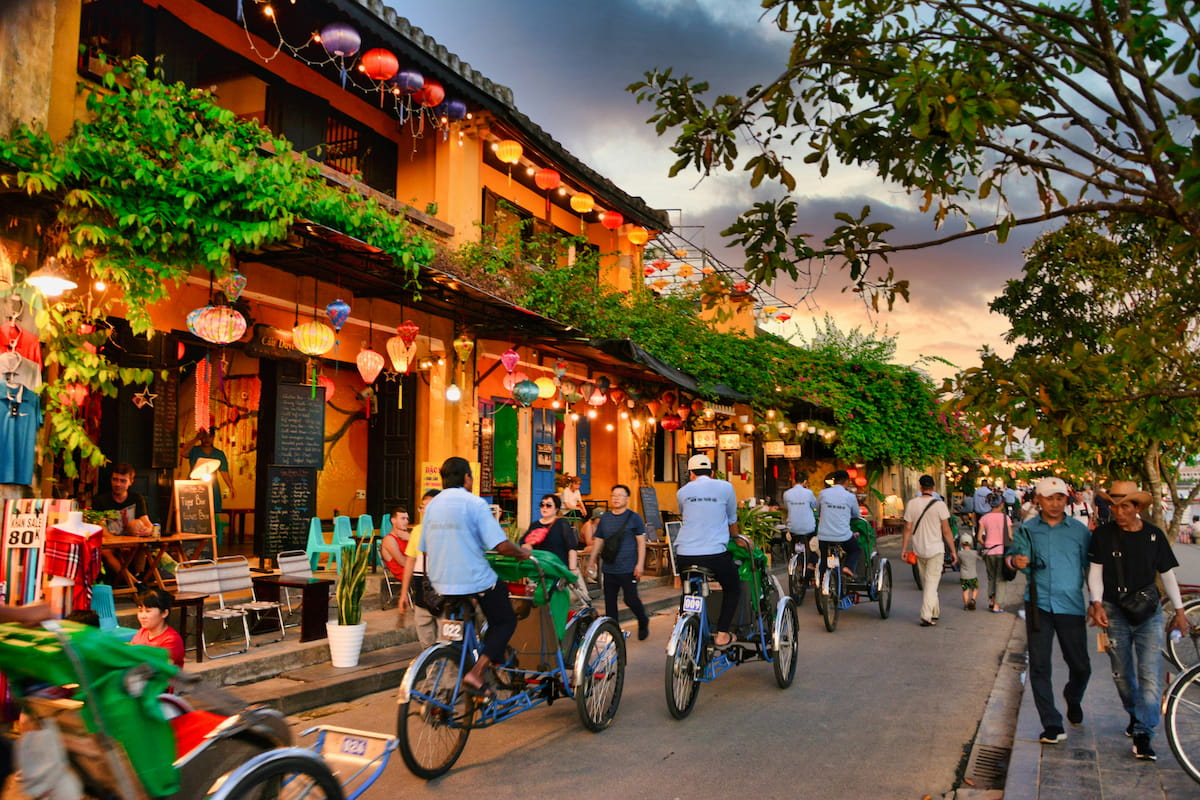
Hoi An, Vietnam

Siem Reap, Cambodia
🎯 Key Experiences — Activity Cost
Hoi An · Activity Cost: 5.0
Hoi An earns its maximum Activity Cost score because the town itself is the experience — and the town costs $5 to enter. The Ancient Town ticket (120,000 VND) covers five heritage sites from a list of 22 including the Japanese Covered Bridge, assembly halls, and old merchant houses. Beyond that, wandering the lantern-lit streets, watching boats on the Thu Bon River, and browsing the night market cost nothing. My Son Sanctuary (45km away) is the one paid day trip of note.
Ancient Town ticket (5 sites)~$5 (120,000 VND)
Night Market wanderFree
An Bang Beach (by bike)Free
My Son Sanctuary day trip~$7 (150,000 VND)
Cooking class (optional)$25–$45
Siem Reap · Activity Cost: 4.0
Siem Reap scores 4.0 rather than 5.0 on Activity Cost because Angkor’s entrance fees are real money — $37 for a single day, $62 for three days. For a destination whose entire purpose is the temple complex, this is an unavoidable cost. The pass is worth every dollar — Angkor is genuinely the most spectacular ancient site in Southeast Asia — but it moves the needle. The city itself (Pub Street, Angkor Night Market, the Old French Quarter) is free to wander.
Angkor Archaeological Park — 1-day pass$37
Angkor Archaeological Park — 3-day pass$62
Pub Street / Angkor Night Market wanderFree
Tonle Sap Lake boat tour$15–$25
Phare Cambodian Circus (evening show)$18–$38
🏆
Edge — Activity Cost
Hoi An
Hoi An scores 5.0; Siem Reap scores 4.0. The Ancient Town ticket is $5; the Angkor pass is $37–72. This single half-point gap is the only scoring difference between the two cities.
What Your Trip Will Cost — 2 Adults, 5 Nights
Both figures include the transpacific flight from a major US hub, accommodation, food, local transport, and the key paid experiences. The difference is primarily the Angkor passes — a 5-night Siem Reap trip typically includes a 3-day Angkor pass ($62/person). April 2026 verified pricing.
🧮 5-Night Trip Total — 2 Adults
Hoi An
flight, guesthouse, food, bicycle, Ancient Town
Siem Reap
flight, hotel, food, tuk-tuk, 3-day Angkor pass
Hoi An Savings
~$100–$200
~$200–$400
~$500+
VacayValue Head-to-Head Scorecard
Overall VacayValue Score
Hoi An wins on Activity Cost (5.0 vs 4.0); Siem Reap wins on Experience Quality (5.0 vs 4.5). The 0.2-point gap is the narrowest in any comparison we’ve published where both cities don’t tie.
Before You Go — Practical Essentials
VisaUS citizens require an e-visa for Vietnam (~$25, 90 days). Apply at evisa.xuatnhapcanh.gov.vn before departure. Processing takes 3 business days.
CurrencyVietnamese Dong (VND). $1 ≈ 25,000 VND. Cards accepted at hotels and larger restaurants; carry cash for markets, street food, and transport. Grab app works in Da Nang and Hoi An and accepts cards.
Watch ForHoi An flooding — October and November carry genuine flood risk. Check the Thu Bon River levels and have contingency plans if traveling in this window. Motorbike taxis (xe ôm) will quote inflated prices to tourists; use Grab for honest fares.
Best TimeFebruary–April (dry, warm, festival season). See timing section above.
VisaUS citizens require an e-visa for Cambodia ($30, 30 days). Apply at evisa.gov.kh before departure. Visa on arrival is also available at Siem Reap airport but the e-visa avoids queues.
CurrencyCambodian Riel (KHR), but US Dollars are accepted everywhere in Siem Reap — and prices are often quoted in USD. Angkor passes are paid in USD. ATMs dispense USD. Riel is used for small purchases and change.
Watch ForBuy Angkor passes from the official Angkor Enterprise ticket office only — never from touts or secondary sellers. Always carry your pass at every temple checkpoint. Plan Angkor Wat sunrise visits around getting your pass the evening before after 5pm (valid the next day).
Best TimeNovember–March (dry season). November is the sweet spot — see timing section above.
Pick Your City — The Deciding Factors
The honest answer for most Southeast Asia travelers: visit both, ideally on the same trip. The honest answer for those choosing one: here’s how to make that call.
Choose This City If…
Hoi An
VV 9.2 · Vietnam
→Atmosphere and wandering are your travel style. Hoi An rewards the traveler who walks without a plan — down any alley, through any gate, along any stretch of the Thu Bon at dusk — and finds something worth remembering.
→Budget is tight. Hoi An’s daily costs are among the lowest of any destination in the directory — $30–50/person/day including food, transport, and paid experiences is realistic at the budget tier.
→Food is a primary draw. Hoi An’s cao lầu, white rose dumplings, and bánh mì from the original Bánh Mì Phượng are dishes that genuinely don’t exist elsewhere — even in Vietnam.
→You want a beach as well as a town. An Bang Beach is 7km from the Ancient Town and arguably the most pleasant beach in Central Vietnam — reachable by free hotel bicycle in 20 minutes.
→You’re doing both cities. Start with Hoi An — it eases you into Southeast Asia at a gentler pace before Siem Reap’s logistical intensity.
Full Hoi An Guide →
Choose This City If…
Siem Reap
VV 9.0 · Cambodia
→Ancient ruins are the primary reason you travel. Angkor is one of humanity’s greatest architectural achievements — Angkor Wat itself, the Bayon’s 200+ stone faces, and Ta Prohm’s jungle-reclaimed corridors together form an experience with no equivalent anywhere on earth.
→Scale and grandeur define your ideal travel experience. Angkor covers 400 square kilometers. The main temple complex alone took 30 years to build and involved moving more sandstone than the Pyramids of Giza. It is genuinely incomparable.
→You want to experience Angkor sunrise at least once in your life. The Angkor Wat reflection in the moat at 5:45am, with the towers emerging from the mist, is a moment that travelers describe as unrepeatable. No other destination in this article series offers anything equivalent.
→Time is limited and you want one transformative landmark. If you have only one city in Southeast Asia, Angkor Wat is the undisputed answer on sheer experiential impact.
→You’re doing both cities. End with Siem Reap — Angkor is the crescendo of any Southeast Asia itinerary and deserves to be the final memory before you fly home.
Full Siem Reap Guide →
Hoi An vs Siem Reap — Common Questions
Is Hoi An or Siem Reap better to visit?
Hoi An (9.2) wins on Activity Cost — the Ancient Town costs $5 to enter and most experiences are free. Siem Reap (9.0) wins on Experience Quality — Angkor Wat is the most spectacular ancient site in Southeast Asia and scores a perfect 5.0 on that category. The 0.2-point gap is the narrowest in any city comparison we’ve published. For a single-city choice: Hoi An for atmosphere and daily wandering; Siem Reap for one of the world’s great bucket-list experiences.
How far is Hoi An from Siem Reap?
Approximately 345 miles by air — direct flights between Da Nang (DAD) and Siem Reap (SAI) take about 1 hour 15 minutes, operated by Air Cambodia with limited frequency. Most travelers connect through Ho Chi Minh City or Bangkok. Many Southeast Asia itineraries cover both cities in the same trip: Vietnam (Hanoi or Ho Chi Minh City, then Hoi An) followed by Cambodia (Siem Reap, then Phnom Penh).
How much does it cost to visit Hoi An vs Siem Reap?
Hoi An is slightly cheaper day-to-day. The Ancient Town ticket costs 120,000 VND (about $5) and covers five heritage sites. Most other experiences are free. In Siem Reap, the Angkor Archaeological Park pass costs $37 for one day, $62 for three days, or $72 for seven days. Hotels and food are extraordinarily affordable in both cities — budget travelers can live well on $25–35/person/day in either destination.
Do US citizens need a visa for Vietnam and Cambodia?
Yes for both — but both are easy online processes. Vietnam: e-visa (~$25, 90 days) at evisa.xuatnhapcanh.gov.vn, takes about 3 business days. Cambodia: e-visa ($30, 30 days) at evisa.gov.kh, typically same-day or next-day. Both can be obtained in minutes before your trip. Always verify current requirements as visa policies can change.
Is it worth visiting both Hoi An and Siem Reap?
Yes — combining both is the standard Southeast Asia itinerary for good reason. They’re distinct enough (Vietnam vs. Cambodia, intimate lantern town vs. vast temple complex, Vietnamese street food vs. Khmer amok) that visiting both feels like two different trips. Most travelers allocate 3–4 nights in each as part of a broader Vietnam-Cambodia itinerary. Sequence: Hoi An first (eases you in), Siem Reap second (Angkor as the finale).
Planning a Southeast Asia Trip?
Every week we cover one destination in depth — real costs, honest takes, and the one thing most guides get wrong. No filler.
VacayValue Verdict
The Narrowest Gap in the Library. Two Cities That Both Belong on the Same Trip.
A 0.2-point scoring gap driven by a single half-point in Activity Cost — this is the closest verdict in any comparison we’ve published, and it reflects something real. These two cities are genuinely similar in the things that matter most: the accommodation value is identical (and extraordinary at every tier), the food is a perfect score for both, and the flights cost the same. What separates them is the structure of the experience: Hoi An gives you a town you wander through; Siem Reap gives you temples you stand before in silence.
Hoi An scores higher on our rubric because its experiences are nearly free and its daily costs are the lowest in the entire VacayValue directory. Siem Reap scores lower because Angkor’s entrance fees are real money and push the Activity Cost score down from a perfect 5.0. But nobody who has stood at Angkor Wat at dawn has ever thought the $37 was the wrong decision. It is, in this guide’s assessment, one of the world’s five or six experiences that justify traveling to the other side of the planet to have it.
“Visit Hoi An to understand what a city can feel like when it has been beautiful for 400 years and hasn’t forgotten it. Visit Siem Reap to understand what human beings are capable of building when they have the belief and the resources and the centuries. Both trips will change you. Sequence them, don’t choose between them.”
The combined itinerary — Hoi An first, Siem Reap second — is one of the great short trips in the world. Two weeks, two countries, and a gap in scores so narrow it barely matters.
Hoi An
9.2
VacayValue Score
Siem Reap
9.0
VacayValue Score