
Great Smoky Mountains 2026: America’s Most Visited National Park (And It’s Free to Enter)
No entrance fee. 800+ miles of trails. Waterfalls around every bend, black bears in the meadows, and Dollywood 15 minutes down the road. There’s a reason 12 million people visit every year.
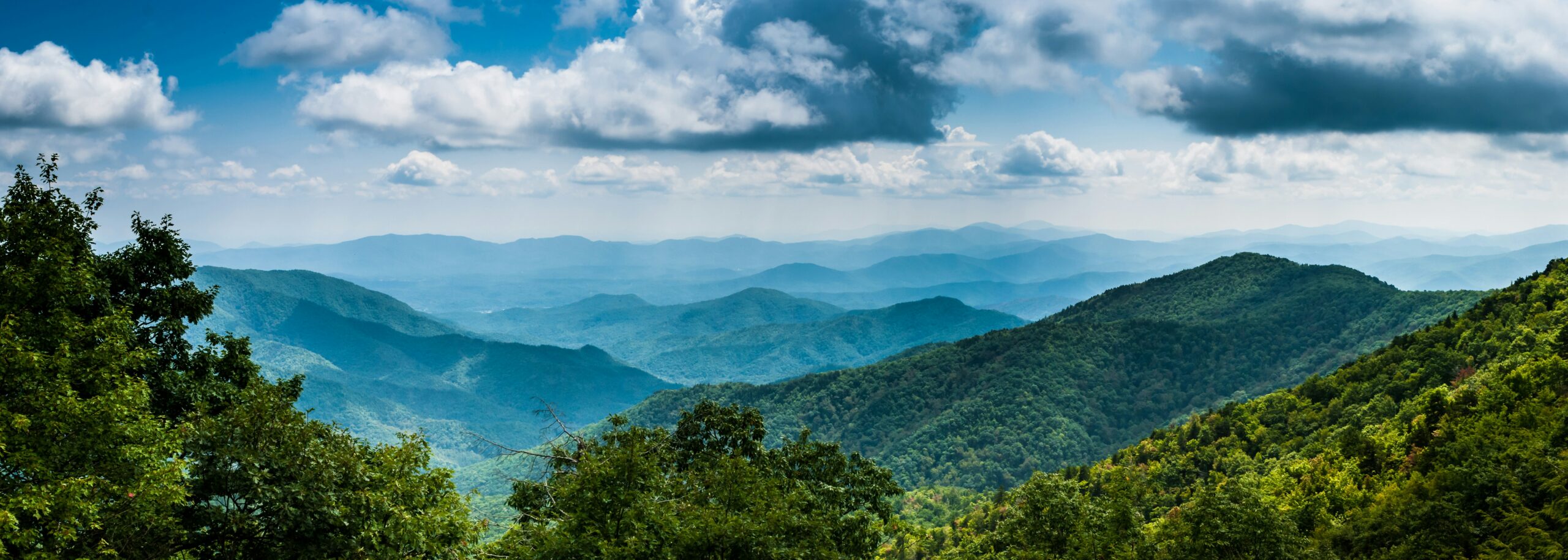
There’s a reason the Smoky Mountains look the way they look in old photographs — they actually are that way. Soft blue ridges layered behind each other into the distance, morning mist hanging in the hollows between the peaks, waterfalls showing up on trails you weren’t expecting them. This is what the Appalachians looked like before anyone started charging admission. And in the Smokies, nobody ever did.
The Great Smoky Mountains National Park is the most visited national park in the United States — 12 million people in 2024, more than Yellowstone, Yosemite, and Grand Canyon combined. And it’s the only one of the major parks with no entrance fee, held free by a 1934 deed restriction that Tennessee has never moved to dissolve. You pay $5 to park your car. Everything else — the trails, the wildlife, the waterfalls, the views from Clingmans Dome — is free. Add Dollywood and Ripley’s Aquarium just outside the park boundary, and you have one of the most complete family vacation destinations in the country at almost any budget.
What’s In This Guide
📅 Best Time to Visit the Smoky Mountains
Sweet spot: April–May and September. Spring brings the wildflower bloom that turns the Smokies into an unbroken carpet of color from the lower valleys to the high ridges — one of the most spectacular natural displays in the eastern United States. September brings cooler temperatures, post-Labor Day crowd relief, and the beginning of fall color with a month still to go. October is technically the best month for fall foliage but also the most crowded and most expensive. If October is the goal, go mid-week and book 6 months ahead minimum.
Where to Stay in the Smokies
The main question is Pigeon Forge vs. Gatlinburg vs. a private cabin. Pigeon Forge is bigger, more spread out, and runs cheaper on hotels — but it requires a car for everything and skews toward family attractions and shows. Gatlinburg is smaller, more walkable, and sits right at the park entrance — but hotels carry a Gatlinburg premium. Private cabin rentals scattered throughout the surrounding hills offer the quintessential Smoky Mountains experience: hot tub on the porch, mountain views through the trees, full kitchen — and often better value per square foot than either town’s hotels for groups of 4+. Prices verified March 2026 from major booking sites.
The Hilton Garden Inn Pigeon Forge delivers reliable quality at the lower end of what the area offers — clean rooms, a free breakfast buffet that simplifies morning logistics for families, an indoor pool, and free parking. It’s in Pigeon Forge rather than Gatlinburg, which means you’ll need a car to get to park trailheads (about 15–20 minutes), but Dollywood is close and the Pigeon Forge Parkway’s restaurants and attractions are all within easy reach. For families focused on maximizing days at the park and keeping accommodation costs low, this is the straightforward choice that won’t let you down.
The Park Vista DoubleTree sits elevated above Gatlinburg with panoramic mountain views from many rooms — the kind of views that make you stop mid-conversation and just look out the window. Indoor and outdoor pools, a concierge service, and proximity to downtown Gatlinburg’s restaurants and the SkyPark make it a well-rounded mid-range base. The location is Gatlinburg rather than Pigeon Forge, which means you’re 5 minutes from the national park entrance rather than 20. For travelers who want a hotel experience with genuine Smoky Mountain atmosphere and the park within reach, Park Vista delivers better than most options at this price point.
The private cabin experience is genuinely different from any hotel stay in the Smokies — a log home in the wooded hills above Gatlinburg or Pigeon Forge, typically with a hot tub on the back deck overlooking mountain ridges, a full kitchen (which saves significantly on food costs), and often a game room, theater, or fireplace. For groups of 4–8, a 2–3 bedroom cabin at $250–$350/night works out to less per person than a comparable hotel, and the experience is categorically better. Cabin rental companies like Cabins of the Smoky Mountains, Timber Tops, and Cabins for You list hundreds of options from $90 (basic 1BR) to $400+/night (luxury multi-bedroom). Book 6+ months ahead for October and summer peak dates.
Get the Budget Travel Cheat Sheet
Booking shortcuts, packing hacks, and money-saving moves our readers use on every trip — free when you subscribe.
15 Best Smoky Mountains Experiences
The Smokies are unusual among major US vacation destinations because the best experiences truly are free once you’re inside the park. Eight hundred miles of maintained trails, cascading waterfalls, historic homesteads, and wildlife that comes right up to the road — all of it accessible for a $5 parking tag. The paid attractions in Gatlinburg and Pigeon Forge are genuinely excellent additions, not substitutes for the park itself. The mistake most visitors make is spending too much time on the Parkway and not enough time in the mountains.
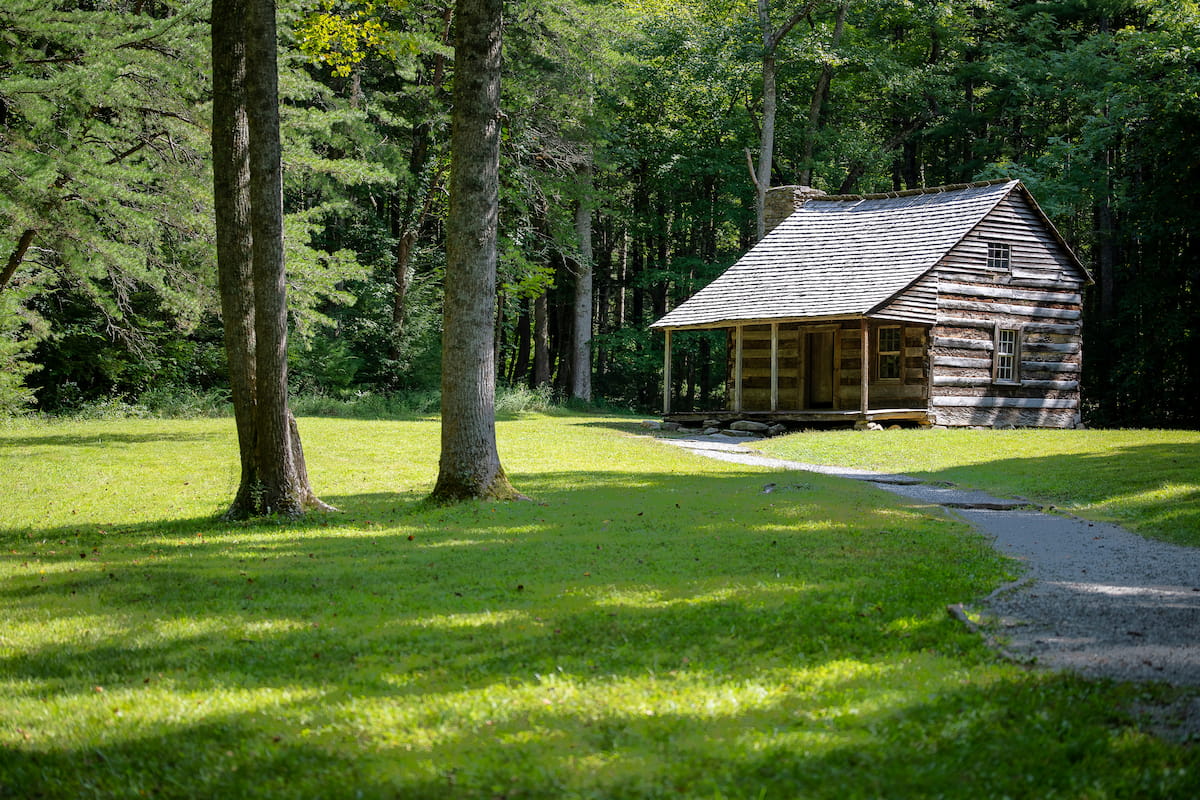
Cades Cove is an 11-mile one-way loop road through an open valley that was once an Appalachian farming community in the 1800s — original log cabins, barns, churches, and grist mills are still standing exactly where they were built, framed by forested ridgelines on every side. The wildlife viewing here is the best in the park: white-tailed deer graze in the meadows at dawn and dusk, black bears and cubs appear regularly throughout the morning, wild turkeys cross the road ahead of your car. The combination of preserved American rural history and abundant wildlife in a single slow drive is genuinely extraordinary. Allow 3–4 hours minimum; more on busy weekends when traffic slows. Note: the loop is closed to vehicles Tuesday and Wednesday mornings in summer (open to bikes/walkers until 10am).
💡 Arrive at opening (sunrise) for the best wildlife activity and the fewest cars. The first 2 miles of the loop often have the most deer and bear sightings. Biking the loop on Tuesday/Wednesday mornings is one of the best cycling experiences in the Southeast — car-free Appalachian scenery for 11 miles.
Laurel Falls is the most visited waterfall in the park and one of the most visited in the eastern United States — a 80-foot cascade in two tiers, set in old-growth hemlock and hardwood forest, reached by a 2.6-mile paved round-trip trail from the Little River Road trailhead. The trail is paved, relatively gentle, and manageable for nearly any fitness level, which accounts for its popularity. The falls themselves are genuinely beautiful and worth the drive. Go early in the morning to beat the crowds — the parking lot fills by 9am on summer weekends, and the NPS sometimes closes access when it’s at capacity. The trail leads into the park’s interior beyond the falls for those who want more.
💡 Arrive by 8am on summer weekends or the parking lot will be full. The trail is entirely paved but the approach road is narrow — trailers and RVs are prohibited on Little River Road. The falls look best after rain when the water volume is high.
Alum Cave Trail is arguably the most rewarding moderate hike in the park — a 4.4-mile round trip to the Alum Cave Bluffs, a concave cliff face of black compressed shale overhanging the trail like a shallow amphitheater, with views opening up across the surrounding ridges. The trail passes through old-growth forest, along a rushing creek, and through a geological formation called Arch Rock before arriving at the bluffs. The full 11-mile round trip to the summit of Mt. LeConte is one of the great day hikes in the Appalachians, but the bluffs alone (4.4 miles RT, 1,150 ft gain) provide an excellent half-day experience for hikers of moderate fitness.
💡 The trailhead is on Newfound Gap Road — expect a busy parking lot by 9am on good-weather days. Trekking poles are helpful on the steeper upper sections. The trail continues to Mt. LeConte Lodge, which requires reservations booked a year in advance for overnight stays.
US-441 through the park — Newfound Gap Road — is the original reason the park has no entrance fee; Tennessee built it before the park existed and deeded it to the federal government on condition it remain free. The drive from Gatlinburg to Cherokee, NC climbs from 1,300 feet to over 5,000 at Newfound Gap, where you can stand on the Appalachian Trail and physically straddle the Tennessee/North Carolina state line. The views from the Newfound Gap overlook on a clear day stretch across multiple ridge systems into both states. Pull-offs and overlooks the entire length of the road make it as rewarding to drive slowly as to hike. This is the single free experience in the Smokies most worth doing even on a tight schedule.
💡 The road stays open year-round but may close temporarily for snow and ice — check NPS alerts before driving in winter. The Newfound Gap overlook offers free restrooms and interpretive signs about the AT. On clear days in fall foliage, the view from here is one of the finest landscapes in the southeastern United States.
At 6,643 feet, Clingmans Dome is the highest point in the Great Smoky Mountains and in the entire Appalachian range — and a spiral observation tower at the summit provides 360-degree views across multiple states when the weather cooperates. The half-mile paved trail from the parking lot is steep (330 feet of gain in half a mile) but manageable. When the clouds drop below you, the view above a sea of white with mountain peaks emerging from it is among the most dramatic weather-related experiences available in any eastern national park. The road to the tower is closed from December 1 through March 31 each year.
💡 The summit is frequently in clouds — check weather at the top before making the drive. Clear mornings are more reliable than afternoons. The temperature at the summit is 10–15°F cooler than the valley floor — bring a jacket regardless of conditions in Gatlinburg. The parking lot often fills by 10am in peak season.
The Gatlinburg Arts and Crafts Community is an 8-mile driving and walking loop through a historic craftsperson district just east of downtown Gatlinburg — over 100 working studios, galleries, and shops where local artists produce and sell handmade quilts, pottery, wood carvings, jewelry, paintings, and traditional Appalachian crafts. Many of the studios are working spaces where you can watch the craftspeople at work. It’s one of the oldest and largest communities of independent artisans in the United States, operating continuously since the early 20th century. Browsing is free; buying is addictive. Genuinely distinct from the commercial Parkway and worth an afternoon.
💡 Allow 2–3 hours to do the loop justice. The Otto Preske Artist in Wood studio and the Glades Homemade Candies store are perennial favorites. Most studios are open 10am–5pm; closed Sundays. The loop starts on the east side of downtown Gatlinburg near traffic light #3.
Unlike every other major national park, the Great Smoky Mountains charges no entrance fee — but it does require a parking tag for any stop over 15 minutes inside park boundaries. The daily tag ($5) covers one vehicle for the day at any developed area, trailhead, or overlook. The weekly tag ($15) is the best value for a 3–5 night trip. If you’re planning multiple park visits within a year, the annual tag ($40) pays for itself at 3 visits. Buy online at recreation.gov before you arrive or at any visitor center kiosk. The program is called “Park It Forward” — fees go directly to park maintenance. Note: driving through the park without stopping doesn’t require a tag.
💡 Buy your parking tag before arrival at recreation.gov to avoid the visitor center lines. A digital tag on your phone is accepted — no printing required for the daily and weekly options. The tag must be visible on your dashboard. Enforcement has increased significantly since the program launched.
The Gatlinburg SkyPark sits atop Crockett Mountain in the heart of downtown Gatlinburg, reached by the iconic yellow SkyLift chairlift that has been running since 1954. The centerpiece attraction is the Gatlinburg SkyBridge — the longest pedestrian suspension bridge in North America at 680 feet, crossing 140 feet above a mountain hollow with glass panels in the middle so you can look straight down. The summit also has the SkyDeck (panoramic viewing area and restaurant), the 1.5-mile SkyTrail hiking system, and the Tulip Tower observation point. It’s priced as a mid-tier attraction and delivers a memorable experience — especially at sunset or after dark when Gatlinburg’s lights fill the valley below.
💡 Sunset and evening visits are significantly less crowded than daytime and offer dramatically different light. The park stays open late and the illuminated bridge after dark is a different experience from daytime. Buying the SkyPass online at least 3 days ahead saves money versus day-of pricing and skips the line at the ticket window.
Ripley’s Aquarium in downtown Gatlinburg is consistently ranked among the best aquariums in the United States — with good reason. The 340-foot glide path through a shark tank tunnel, a live penguin habitat with daily parades, touch pools for rays and jellyfish, and a mermaid show series in June and July are all included with admission. It’s been voted Best US Aquarium by USA Today readers and ranks in TripAdvisor’s global top 5. At $40/adult it’s a significant line item, but the 2–3 hour experience is well-paced and genuinely world-class for a mid-sized city attraction. For families with children, it’s almost non-negotiable — the underwater tunnel walk is the kind of thing kids remember and want to see again.
💡 Buy tickets online before arrival — the aquarium occasionally sells out on peak summer days. The location in downtown Gatlinburg (88 River Road) makes it easy to combine with dinner on the Parkway. The penguin parade runs daily at 1:15pm. Combo bundles with other Ripley’s attractions offer savings if your group wants multiple Ripley’s experiences.
The Pigeon River runs just outside the national park boundary and offers two distinct rafting experiences: the Upper Pigeon (Class III–IV rapids, high-energy, appropriate for ages 8+ and non-swimmers with a guide) and the Lower Pigeon (Class I–II, calmer, family-friendly from around age 3). Multiple operators in Hartford, TN — including Nantahala Outdoor Center, Rafting in the Smokies, and Nantahala Outdoor Center — run daily trips from spring through fall. A 1.5–2 hour raft trip on the Upper Pigeon is one of the most purely fun outdoor activities available in the Smoky Mountains region and a break from hiking that most families love. Trips run daily April through October weather permitting.
💡 Hartford, TN — the rafting hub — is about 20 minutes from Gatlinburg off I-40. Book online rather than walk-in for guaranteed spots on the popular summer weekday/weekend trips. Wear clothes you don’t mind getting completely soaked. Life jackets and helmets provided; waterproof cameras strongly recommended.
Ober Mountain (formerly Ober Gatlinburg) sits above downtown Gatlinburg and is accessible by a scenic aerial tram ride from the Parkway. In winter it operates as the Smokies’ only ski resort — 9 slopes, ski and snowboard rentals, snow tubing. Year-round it offers mountain coaster rides, ice skating (year-round indoor rink), a wildlife encounter with native animals, and a beer and cocktail bar with ridge views. The tram ride itself is worth taking for the views even if you don’t do activities. It’s not a destination in its own right so much as a reliable half-day addition to a Gatlinburg day — especially appealing in winter when the skiing option is genuinely fun for families.
💡 Parking in Gatlinburg and taking the tram up saves the hassle of the narrow mountain road — and the tram view is part of the experience. Ski rental packages and lift tickets can be bundled online for savings versus day-of window rates. The mountain coaster (no experience required) is popular with both kids and adults and worth adding to a tram visit.
Dollywood is one of the best theme parks in the United States by any measure — not because of scale (it can’t compete with Disney on that axis) but because of soul. Dolly Parton’s personal story is woven through every section of the park, the Appalachian craft demonstrations and heritage programming are genuine rather than decorative, the coaster lineup is outstanding (Lightning Rod, Wild Eagle, and the new NightFlight Expedition indoor coaster are all excellent), and the live music throughout the park is performed by real musicians. At $95 per adult it’s a serious spend, but a full day at Dollywood is a full day — the park is dense with things to do, eat, and watch. It also runs seasonal festivals (flower and food festival in spring, harvest celebration in fall, Smoky Mountain Christmas from November) that give returning visitors a new reason each time.
💡 Buy tickets online and select a specific lower-demand date to get the best price — Dollywood uses date-based pricing so midweek shoulder season dates run cheaper than peak summer weekends. Arrive at opening and hit NightFlight Expedition and Lightning Rod first before lines build. The Good Any Day pass ($100/adult) offers flexibility if your travel dates aren’t fixed.
Every year in late May and early June, a single species of firefly (Photinus carolinus) in the Smoky Mountains synchronizes its flash patterns — thousands of fireflies lighting simultaneously in the dark forest, pulsing in waves through the trees, then going dark together before the next burst. It is one of only a handful of places in the world where synchronous fireflies display, and the only easily accessible one in North America. The NPS runs a timed-entry permit system through Recreation.gov during the two-week peak viewing window, with a free shuttle from Sugarlands Visitor Center to the Elkmont area. The lottery for permits is competitive — apply as early as possible each spring.
💡 Check the NPS website (nps.gov/grsm) each spring for the announced permit lottery dates — they typically open 1–2 months before the viewing window. Permits are free but go within hours of the lottery opening. The experience itself requires walking dark unpaved trails and waiting quietly in the forest. It’s genuinely magical and justifies planning a trip around it.
Anakeesta is a 70-acre mountaintop adventure park above downtown Gatlinburg, accessible by chairlift or ridge vehicle from the Parkway — treetop skywalk, observation tower with 360-degree mountain views, zip lines, mountain coaster, gardens, and a whimsical Firefly Village with shops and restaurants. It closed in November 2025 for a major $100 million expansion that adds a new state-of-the-art lift with glass-bottomed gondola cars, a redesigned Firefly Village, an expanded skywalk, and a new permanent nighttime firefly lighting experience. The park reopens June 2, 2026 with expanded capacity and new attractions. Tickets are available now at anakeesta.com for June 2 and later dates — book ahead as the reopening period will be popular.
💡 The reopening of an expanded and upgraded Anakeesta is one of the biggest Smoky Mountains additions of 2026. If your trip falls after June 2, this is the prime time to experience the new attraction before it gets written up everywhere. Buy tickets online and select a timed-entry arrival window to skip the queue.
Ole Smoky at The Holler in Gatlinburg is Tennessee’s first federally licensed moonshine distillery — a working still visible from the tasting bar, with free samples of a full lineup including original white lightning, apple pie, blackberry, and seasonal varieties. The atmosphere is part general store, part mountain heritage exhibit, part lively mountain music venue (musicians play throughout the day). There’s a second Ole Smoky location at The Island in Pigeon Forge for those who want easier access. Going beyond just the tasting, the distillery represents a genuine piece of Appalachian culture and history — moonshining in these hills predates the national park by generations. The tastings are genuinely free. Buying a jar of apple pie moonshine is not mandatory, just difficult to resist.
💡 The Gatlinburg Holler location has live music on a covered porch most afternoons and evenings. Plan it as a late afternoon or early evening activity after a park day — the atmosphere is most alive when the mountain light starts to go and the music cranks up. Jars make excellent gifts; the vacuum-sealed moonshine ships well.
Worth It / Skip It
Don’t Make These Mistakes
Not buying a parking tag before arriving. Since 2023, a parking tag is required for any vehicle stopped longer than 15 minutes inside the park. Enforcement is real — citations are issued. The $5 daily tag or $15 weekly tag is available at recreation.gov before you leave home, at any visitor center kiosk, or via the NPS app. First-time visitors sometimes don’t know it exists and arrive unprepared. Don’t be that car.
Trying to see the park from the car and calling it done. Newfound Gap Road is beautiful to drive, but the Smokies reward the people who get out and walk into them. Fifteen minutes down any trail gets you into forest so old and quiet that the Parkway disappears completely. Laurel Falls is 1.3 miles from the trailhead. Alum Cave Bluffs is 2.2 miles. You don’t need a long hike to have the genuine experience — you just need to leave the car.
Visiting in October without booking accommodation 6+ months ahead. October foliage season is the peak of the peak — hotels, cabins, and campgrounds in the Gatlinburg/Pigeon Forge corridor fill out months ahead. Visitors who book in August for October weekend dates find almost nothing available under $300/night. The foliage is extraordinary and worth the premium, but it has to be planned for, not spontaneously decided.
Expecting Anakeesta to be open in spring 2026. Anakeesta is currently closed for its $100 million expansion and will not reopen until June 2, 2026. If your trip falls before June 2 and you were counting on Anakeesta as a planned activity, adjust your itinerary now. Confirmed reopening date and ticket availability at anakeesta.com.
VacayValue Scorecard — Great Smoky Mountains
Packing List — Great Smoky Mountains
Every Sunday: One Destination. One Honest Take.
Join travelers who plan smarter. One email per week — real costs, specific advice, no filler.
Free to Enter. Hard to Leave. The Smokies Earn Every One of Those 12 Million Visits.
The Great Smoky Mountains are many things: the most visited national park in America, the most biodiverse temperate forest in the world north of the tropics, the setting for one of the most complete family vacation destinations in the country. They’re also, uniquely among major national parks, completely free to enter — a quirk of history that Tennessee has quietly kept alive for 90 years.
The hiking is world-class and free. The wildlife is abundant and wild. The waterfalls are everywhere once you get off the main road. Dollywood and Ripley’s and the SkyPark are genuinely excellent paid additions, not substitutes for the park itself. And the cabin rental culture of the region — hot tubs on forested mountain decks, full kitchens stocked at the Pigeon Forge grocery store, rocking chairs facing ridge lines — is one of the best family accommodation experiences in America at almost any budget.
Go in April for wildflowers or September for the post-summer quiet. Buy your parking tag at recreation.gov before you leave. Put Cades Cove on your first morning before the cars arrive. And if you have kids — or a reason to plan a full day at a legitimately great American theme park — Dollywood on a midweek day with online tickets is one of the better vacation days in the country.