⚖️ Comparison · Beach & Wellness · Mexico
Cancun vs. Tulum: Mexico’s Two Coasts of the Same Sea
Cancun vs Tulum — same CUN flight, two completely different Mexico. Cancun scores 8.4 on VacayValue, Tulum scores 7.8. The gap is real, and so is the reason to choose Tulum anyway.
⏱ 12 min read
✅ Updated April 2026
💰 Prices verified April 2026
Beach Travel
Mexico
Value Showdown
VV Score 8.4 Cancun
VV Score 7.8 Tulum
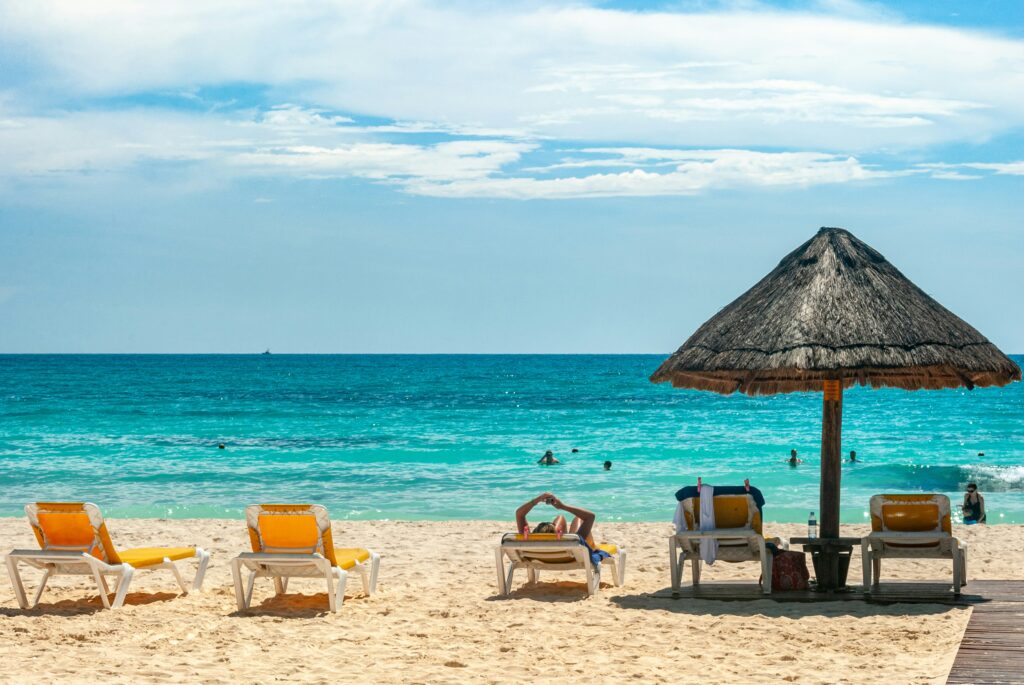
Cancun, Mexico

Tulum, Mexico
They’re 80 miles apart on the same Caribbean coast, serving the same turquoise water, and they feel like different countries. Cancun is where the infrastructure is — the direct flights, the all-inclusive resorts, the beach clubs, the reliable Wi-Fi. Tulum is where the atmosphere is — the palapa rooftops, the cenotes, the yoga at dawn, the roads that still feel like they’re not quite finished. The question isn’t which one is better. It’s which one is yours.
Cancun scores 8.4 on VacayValue and wins on almost every measurable metric — better flights, cheaper accommodation, better food value, and significantly lower daily spend. Tulum scores 7.8, and scores the maximum on Experience Quality anyway. The gap in the numbers is real. So is the gap in what each place actually feels like. This guide resolves both.
Cancun, Mexico
8.4
VacayValue Score
Best Value
All-Inclusive
Tulum, Mexico
7.8
VacayValue Score
Best Atmosphere
Mayan Ruins
Flights — Getting There
This is where Cancun has one of its clearest structural advantages over nearly any beach destination in the world. The flight network into CUN is extraordinary — direct service from almost every major US city, abundant budget carrier competition, and fares that routinely come in under $300 round-trip.
✈ Round-Trip Flights from Major US Hubs
Cancun (CUN)
$200–$480 per person RT
Spirit, Frontier, and Volaris serve CUN nonstop from DFW, ORD, LAX, and dozens of other cities for $200–$300 RT at their lowest. Southwest, JetBlue, American, and Delta all fly direct from their hubs. This is one of the most competitively priced beach routes in the hemisphere — fare competition is intense and benefits the traveler significantly.
Carriers: Spirit · Frontier · JetBlue · Southwest · American · Delta
Direct from: DFW · ORD · LAX · JFK · MIA · ATL and more
Tulum (via CUN + transfer)
$200–$480 per person RT + transfer
The new Tulum International Airport (TQO) opened in December 2023 with limited US service — a handful of routes via American and others, but nothing approaching CUN’s network. In practice, most travelers still fly into CUN and transfer south. The ADO bus from CUN to Tulum runs every 30–60 minutes for $12–15 one way and takes approximately 2 hours. Shared shuttles ($20–30) and private taxis ($65–90) are faster alternatives.
Fly into: CUN (most travelers) or TQO (limited service)
Transfer to Tulum: ADO bus $12 · Shuttle $25 · Taxi $70
🏆
Edge — Flight Cost
Cancun
Same fares to CUN, but Cancun travelers skip the 2-hour transfer south. Budget carriers serve Cancun directly; Tulum still requires the extra leg. Cancun scores 4.5 on Flight Cost; Tulum scores 4.0.
💡 Transfer Tip
If staying in Tulum,
book ADO bus tickets online in advance at adogl.com.mx — especially for peak season. The Cancun airport ADO terminal is in Terminal 4. Buses run to both Tulum Pueblo (town) and the beach road (Zona Hotelera) — confirm your stop before boarding. For late arrivals, a shared shuttle or taxi is safer than navigating buses at night.
Where to Stay — Dollar for Dollar
This is the category where Cancun and Tulum diverge most dramatically — and where Cancun’s higher VacayValue score is most clearly earned. Cancun’s accommodation value is genuinely strong; Tulum’s is the weakest category in its scorecard. Rates verified April 2026.
🏨 Accommodation — Nightly Rate Per Room
Cancun · Budget
$45–$90/night
Downtown Cancun hostels and budget hotels offer clean, well-located rooms far from the resort strip. The Aloft Cancun and Smart Cancun by Oasis offer better quality at the top of this range. Expect a bus or taxi to the beach — budget hotels are rarely beachfront.
Tulum · Budget
$80–$130/night
Tulum’s “budget” tier is relative — options at this price point are in Tulum Pueblo (town center), not on the beach. Hostel-style private rooms exist but the experience is significantly different from Cancun’s budget tier. Genuinely affordable beachfront lodging in Tulum essentially doesn’t exist.
Cancun · Mid-Range / All-Inclusive
$150–$320/night (all meals & drinks incl.)
Cancun’s mid-tier all-inclusive is where the real value lives. Properties like Hyatt Ziva, Westin Lagunamar, and Krystal Cancun offer beachfront access, unlimited food and drinks, pools, and entertainment — all included. The effective daily cost per person drops significantly when food and drink are factored in.
Tulum · Mid-Range Boutique
$180–$350/night (room only)
Tulum’s mid-range is boutique eco-hotels on or near the beach road — palapa roofs, outdoor showers, jungle gardens, and a very specific aesthetic that its guests travel specifically for. Our Habitas and Ahau Tulum are the tier benchmarks. Meals are not included — add $40–$70/person/day.
Cancun · Luxury
$350–$700+/night (all-inclusive)
Moon Palace, Excellence Playa Mujeres, and Finest Playa Mujeres operate at the luxury all-inclusive tier — enormous resort complexes with multiple restaurants, butler service, and private beach sections. Everything included at a rate that still beats comparable European luxury.
Tulum · Luxury Eco-Boutique
$400–$900+/night (room only)
La Valise, Hotel Bardo, and Be Tulum represent the apex of Tulum’s accommodation — private beachfront bungalows, outdoor soaking tubs, design that earned the hotel features in every major design publication. Meals extra; add $80–$120/person/day for on-site dining. The experience is genuinely extraordinary, and genuinely expensive.
🏆
Edge — Accommodation Value
Cancun
Cancun’s all-inclusive model includes food and drink in the rate — making it cheaper on a total-cost basis than it appears. Tulum’s boutique model charges room-only then stacks food and drink on top. Cancun scores 4.0; Tulum scores 3.0.
Food & Drink — Tacos vs. Tasting Menus
Both destinations serve Mexican food on the Caribbean coast — but the price points, the settings, and the intended experiences are entirely different. Cancun scores 4.5 on Food Affordability; Tulum scores 3.5.
🌮 Food & Drink — What You Actually Spend
Cancun
Tacos / street food downtown
$2–$5
Hotel Zone restaurant dinner
$15–$30 per person
Cancun’s food value depends enormously on where you eat. Downtown Cancun — particularly Parque las Palapas — offers some of the best and cheapest Mexican street food on the coast. The Hotel Zone restaurants charge a location premium but are still competitive by resort standards. And for all-inclusive guests: $0, all day, every meal.
Tulum
Tulum Pueblo taco / casual
$4–$10
Beach road restaurant dinner
$30–$65 per person
Tulum’s beach road restaurant scene is spectacular and expensive. A dinner at Hartwood, Rosa Negra, or Arca routinely lands $50–80+ per person with cocktails. Tulum Pueblo (the town, 5 minutes from the beach zone) offers genuine value — taquerias and local spots where you can eat well for under $10. The geography requires a conscious budget decision: beach road = premium, town = affordable.
🏆
Edge — Food Affordability
Cancun
Cancun scores 4.5 on Food Affordability; Tulum scores 3.5. Tulum’s beach road restaurants are genuinely excellent but expensive. Cancun’s all-inclusive removes the food cost question entirely.
Getting Around — The Gap You Don’t Expect
Neither destination has strong public transit infrastructure by global standards — both require taxis, rental cars, or organized transfers to get around efficiently. But Cancun’s Hotel Zone is a continuous strip where most travelers barely need to leave their resort, while Tulum requires navigation between a dispersed beach zone, a separate town, and scattered cenotes.
🚕 Getting Around — Daily Transport Cost Per Person
Cancun
$5–$15 /person/day
For all-inclusive guests: nearly zero transport spend — the resort is the destination. For Hotel Zone independent travelers, the R1 bus runs the entire hotel strip for 13 pesos ($0.75) and is the main mode of daily transport. Taxis are metered and affordable within the zone. Excursions to Chichen Itza, Isla Mujeres, and cenotes are organized easily from the resort area.
💡 The R1 bus runs Cancun’s entire Hotel Zone for 13 pesos. Most all-inclusive guests don’t even need it — everything’s on property.
Tulum
$15–$35 /person/day
Tulum’s beach road has no public bus. Getting between your hotel, the town, and the cenotes requires taxis (~$5–10 per trip), a rented bicycle (popular for beach road travel, $5–10/day), or a rented scooter/car. Daily transport costs add up quickly, especially if you’re visiting multiple cenotes. Many travelers rent bikes specifically for the beach road strip.
⚠️ Always negotiate taxi fares before getting in — meters are rare in Tulum. Agree on the price in advance to avoid surprises.
🏆
Edge — Getting Around
Cancun
All-inclusive guests spend almost nothing on transport. Independent Cancun travelers use the $0.75 Hotel Zone bus. Tulum requires daily taxi negotiation and adds real cost.
Best Time to Visit — Does Your Window Match?
Both destinations share a climate — same coast, same weather patterns, same hurricane season. The timing differences are primarily about crowds and prices rather than weather windows.
📅 Seasonal Timing — When to Go
Dec – Apr
Dry season. Low humidity, consistent sun, temperatures 75–85°F. December through February has the best weather with manageable crowds outside holiday weeks. March and April bring Spring Break — plan around it or embrace it. Hotel rates peak December–March.
Nov – Apr
Same dry season window as Cancun, but Tulum’s peak crowds feel more intense because the beach road has finite capacity. November is a genuine sweet spot — dry, warm, and the annual Día de los Muertos festivals add cultural color. January and February offer the best combination of weather, availability, and manageable crowds.
May – Jun
Excellent value. Shoulder season rates drop 30–50% from peak, weather is still largely dry and warm (85–90°F), and Spring Break crowds have cleared. Early June before the rains establish is a strong option — fewer tourists, better pricing, and the water is at peak clarity.
May – Jun
Same shoulder window — but Tulum’s boutique hotels rarely drop prices as aggressively as Cancun’s large resorts. Still, May and early June offer meaningful savings and the beach road is noticeably quieter than peak season, which matters more in Tulum’s compact geography.
Sep – Oct
Hurricane season peaks September–October. Rates hit annual lows for a reason — the risk of weather disruption is real. Cancun’s large resorts have excellent storm protocols, but a significant storm can end or alter a trip entirely. Travel insurance is non-negotiable if traveling in this window.
Sep – Oct
Same hurricane risk as Cancun, and Tulum’s smaller boutique hotels are less equipped to handle major storm disruptions than Cancun’s large resort complexes. Additionally, Tulum’s beach road can flood significantly during heavy rain events independent of full hurricanes.
💡 The Timing Decision
January through early April is the clearest overlap sweet spot — dry, warm, and the best weather both destinations offer. For the best value in Cancun, May and early June deliver strong conditions at shoulder prices. Tulum’s pricing is less seasonal but its atmosphere shifts noticeably between the quiet weeks of late fall and the packed high season of December through March.
Experiences & Activities — What Your Days Look Like
Both cities share access to the same regional attractions — the Mayan Peninsula’s cenotes, ruins, and reefs. But they approach those experiences differently, and what fills your typical day is completely distinct.

Cancun, Mexico

Tulum, Mexico
🎯 Experiences — Activity Cost
Cancun · Activity Cost: 4.0
For all-inclusive guests, the beach is already paid for — most days cost nothing extra beyond the room rate. Organized excursions from Cancun are well-priced and abundant: Chichen Itza day tours, Isla Mujeres ferry trips, cenote snorkeling, and Xcaret eco-park are all easily booked. The activity scene is large-scale and organized, which is exactly what some travelers want.
Hotel Zone beach (AI guests)Included
Chichen Itza day tour$55–$85
Isla Mujeres ferry + day$25–$40
Cenote tour (organized)$40–$65
Xcaret eco-park$80–$110
Tulum · Activity Cost: 4.0
Tulum scores the same on Activity Cost as Cancun, but delivers a different kind of experience. The Tulum archaeological ruins ($6) sit dramatically above the sea — one of the most photographically compelling Mayan sites. The cenotes around Tulum (Dos Ojos, Gran Cenote) are among the best in the Yucatan. The beach is not included in your room rate for most boutique hotels — add beach club day passes at $20–50.
Tulum archaeological ruins$6
Gran Cenote swim$14
Cenotes Dos Ojos (snorkel)$18–$25
Beach club day pass$20–$50
Coba ruins (climb the pyramid)$8
🤝
Draw — Activity Cost
Both Score 4.0
Cancun wins if you’re all-inclusive (beach is free). Tulum wins if you’re prioritizing Mayan ruins and cenote access. Both score 4.0 on a category where neither dominates.
What Your Trip Will Cost — 2 Adults, 5 Nights
These numbers illustrate the total cost difference including flights, accommodation, food, transport, and activities. The Cancun all-inclusive option is shown separately because it fundamentally changes the cost math — food and drink are included in the room rate. April 2026 verified pricing.
🧮 5-Night Trip Total — 2 Adults
Cancun (independent)
flight, hotel, food, transport, activities
Cancun (all-inclusive)
flight + AI resort (food & drink included)
Tulum (boutique)
flight + transfer + boutique hotel + food
⚠️ The All-Inclusive Math
The all-inclusive option changes the comparison more than any other single factor. A Cancun all-inclusive at $220/night for two includes all food and drinks — which might otherwise cost $80–120/day at Tulum. Factor this in before comparing room rates side by side. An all-inclusive Cancun trip can come in cheaper than Tulum mid-range once food is included.
VacayValue Head-to-Head Scorecard
Overall VacayValue Score
Cancun wins 4 of 5 categories on value. Tulum scores the maximum on Experience Quality. The gap is real — and so is the reason to choose Tulum anyway.
Before You Go — Practical Essentials
VisaUS passport: up to 180 days visa-free in Mexico. Complete FMM tourist form on arrival (often digital). No advance application needed.
CurrencyMexican Peso (MXN). USD accepted widely in the Hotel Zone — but you’ll get better exchange rates paying in pesos. ATMs are abundant. All-inclusive guests rarely need cash on property.
Best TimeDecember–April (dry season). See timing section for full breakdown.
Watch ForAirport timeshare salespeople immediately outside arrivals — aggressive and persistent. Say “no gracias” and keep moving. Book your airport transfer in advance to avoid overpriced taxis at the terminal.
VisaUS passport: up to 180 days visa-free in Mexico. Same entry requirements as Cancun — one country, one FMM form.
CurrencyMexican Peso (MXN). USD accepted on Tulum’s beach road, but at unfavorable rates. Carry pesos for cenotes, local restaurants in town, and taxis. ATMs in Tulum Pueblo; beach road ATMs are limited and sometimes out of cash.
Best TimeNovember–April (dry season). November is the underrated sweet spot — see timing section.
Watch ForAlways negotiate taxi fares before entering the vehicle — meters are rare and disagreements on price after arrival are common. Bring reef-safe sunscreen only — chemical sunscreens are banned near cenotes and many beach areas to protect the coral and cave ecosystems.
Pick Your Destination — The Deciding Factors
Cancun wins on the scorecard. Tulum wins on atmosphere. Neither answer is wrong — but they suit different travelers. And combining both on the same trip (Cancun base, Tulum day trip) is one of the smartest moves on this coast.
Choose This If…
Cancun
VV 8.4 · CUN
→Budget is a real constraint. Cancun’s all-inclusive model frequently undercuts Tulum’s boutique rates on a total-cost-per-day basis once food and drinks are included.
→You’re traveling with family or kids. Cancun’s large all-inclusive resorts are purpose-built for families — kids clubs, multiple pools, beach infrastructure, and everything in one place.
→You want nightlife and entertainment. Cancun’s Hotel Zone is one of the world’s most developed beach party scenes — Coco Bongo, Mandala, and the entire boulevard run all night.
→You want maximum beach time with minimum planning. An all-inclusive in Cancun removes every daily decision — walk to the beach, order drinks, repeat.
→You want to do both. Base in Cancun, lower your daily cost, and do Tulum as a day trip on the ADO bus ($12 each way). The smart move for first-timers.
Full Cancun Guide →
Choose This If…
Tulum
VV 7.8 · TUL
→Atmosphere is as important as the beach. Tulum’s palapa hotels, jungle roads, and candlelit dinner scene produce a very specific aesthetic that you won’t find in Cancun at any price.
→Cenotes and Mayan ruins are the priority. Tulum’s location makes Gran Cenote, Dos Ojos, and the Tulum ruins a short taxi ride rather than a full-day organized tour.
→You’re seeking wellness or a digital detox. Tulum built its identity around yoga retreats, sound healing, and the slow-travel ethos. The infrastructure for that experience is genuinely good.
→The large-resort experience is not for you. If 2,000-room all-inclusive resorts feel antithetical to how you travel, Tulum’s 20-room boutique hotels are the answer — smaller, quieter, more intentional.
→Budget is flexible and atmosphere is worth paying for. Tulum is more expensive by every metric. If that’s the trade-off you’re willing to make for the experience, it delivers.
Full Tulum Guide →
Cancun vs Tulum — Common Questions
Is Cancun or Tulum better for a Mexico beach vacation?
Cancun is better for first-timers, families, budget travelers, and anyone who wants guaranteed beach infrastructure, nightlife, and an all-inclusive option. Tulum is better for those seeking boutique eco-hotels, cenote swimming, Mayan ruins, and a more intentional pace. Cancun scores 8.4 vs Tulum’s 7.8 — Cancun wins on value; Tulum wins on atmosphere and Experience Quality (5.0).
Is Tulum more expensive than Cancun?
Yes, significantly. Tulum’s boutique hotels start around $150–220/night and climb to $400–800+ for beachfront options — meals not included. Cancun’s all-inclusive resorts cover all food and drinks from $200/night, making the effective daily cost lower than it appears. For budget travelers, Cancun wins decisively — Tulum has almost no genuine budget accommodation on or near the beach.
How far is Tulum from Cancun?
About 80 miles (130km) south, taking 1.5–2 hours depending on transport. The ADO bus from Cancun airport or downtown runs to Tulum for $12–15 one way. Shared shuttles run $20–30; private taxis run $65–90. Both destinations use Cancun International Airport (CUN). The new Tulum Airport (TQO) opened 2023 with limited US routes — most travelers still fly into CUN.
Is it worth doing both Cancun and Tulum on the same trip?
Yes — and it’s one of the smartest moves on this coast. Base yourself in Cancun (lower cost, better logistics) and take the ADO bus to Tulum for a full day — ruins in the morning, cenote swim in the afternoon, early dinner on the beach road, back to Cancun by 9pm. For longer trips, a split itinerary (4 nights Cancun, 3 nights Tulum) gives you both experiences without compromise.
Do US citizens need a visa for Mexico?
No visa required. US passport holders can visit Mexico for up to 180 days visa-free for tourism. You’ll complete a tourist entry form (FMM) on arrival — now typically digital at major airports. Mexico uses the Mexican Peso (MXN); USD is accepted in tourist areas but at unfavorable rates — pay in pesos where possible for better value.
Planning a Mexico Beach Trip?
Every week we cover one destination in depth — real costs, honest takes, and the one thing most guides get wrong. No filler.
VacayValue Verdict
Cancun Wins the Score. Tulum Wins Something the Score Doesn’t Measure.
Cancun’s 8.4 is well-earned. It has the best-priced flights into any Caribbean beach destination, an all-inclusive model that genuinely competes on total cost, and a beach infrastructure that serves families, groups, and first-time Mexico travelers better than anywhere on this coast. If you want a great Caribbean beach vacation at the best possible value, Cancun is the honest answer.
Tulum’s 7.8 reflects something real — the accommodation is genuinely overpriced relative to quality, the food scene is expensive, and the infrastructure requires daily effort. None of that changes the fact that Tulum’s Experience Quality score is a perfect 5.0. The cenotes, the ruins above the sea, the palapa hotels at dawn — these are things that can’t be approximated in Cancun at any price. They exist in Tulum and essentially nowhere else.
“Cancun costs less and delivers more by every measurable metric. Tulum costs more and delivers something the metrics don’t capture. The question isn’t which scores higher — it’s which version of Mexico you came for.”
The best answer for most travelers: both. Book Cancun, save money, and take the bus south for a day. You’ll understand both cities in one trip and come back knowing which one calls you back.
Cancun
8.4
VacayValue Score
Tulum
7.8
VacayValue Score