
Oahu with Kids: Pearl Harbor, North Shore & the Real Cost of Paradise
Oahu delivers more genuine family experiences per dollar than any other Hawaiian island — if you know which ones to prioritize. Here’s what the trip actually costs, and where every dollar earns its place.
The kids are still talking about the moment the boat pulled up to the USS Arizona Memorial — the silence, the oil still rising from the wreck below, the weight of what happened there in 1941. That experience cost nothing except a reservation made 60 days in advance. The shave ice on the drive back from the North Shore cost $7. Some of the finest hours our family has ever spent in a destination came with zero charge.
Oahu gets dismissed in budget travel circles because flights are long and Waikiki hotels aren’t cheap. That criticism is accurate but incomplete. The island’s greatest assets — its beaches, its military history, its national park trails, and its harbor views — are almost entirely free. The money question on Oahu isn’t whether you can afford to go. It’s whether you spend your budget on the experiences that are genuinely irreplaceable or waste it on mediocre hotel breakfasts and Kalakaua Avenue tourist traps. This guide is about making that distinction, with every price verified at the source.
What’s In This Guide
📅 Best Time to Visit Oahu
The sweet spot for families is April–May or September–October. You’ll get warm water, uncrowded beaches, and hotel rates that are meaningfully lower than summer. If you must travel in June–August, book your rental car first — car availability tightens faster than room availability, and last-minute rates can be double the advance-booking price.
Where to Stay in Oahu
Waikiki is the obvious base for families — walkable, beachfront, and close to everything — but the tradeoff is price. Budget a rental car from day one: you’ll need it to reach Hanauma Bay, the North Shore, and the windward coast. All rates below are verified for dates approximately two months out on Hotels.com and reflect the island’s steep accommodation tax (approximately 19% total including Hawaii’s Transient Accommodations Tax, county surcharge, and General Excise Tax).
Sitting at the quieter Diamond Head end of Waikiki, the Queen Kapiolani puts you two blocks from the beach and directly across from Kapiolani Park — a massive green space where kids can run free, watch Saturday morning farmers markets, and see free outdoor concerts. Rooms are compact but clean, the pool is functional, and the location keeps you just enough distance from the noisiest stretch of Kalakaua Avenue. For a family focused on maximizing beach time and paying for experiences rather than square footage, this is the sharpest value on the island.
The Beachcomber sits directly on Kalakaua Avenue at the beating heart of Waikiki — cross the street and you’re at the sand. Rooms are well-maintained and genuinely spacious by Waikiki standards, the rooftop pool has strong views of Diamond Head, and the International Marketplace directly below means dining and shopping are immediately at hand. Outrigger’s reputation for guest service holds here, and the property feels far more curated than a big-box resort. For families who want to step out the door and be at the beach in under two minutes, few addresses match it at this price.
Waikiki’s “Pink Palace” has defined luxury Hawaiian hospitality since 1927, and it still earns that legacy. The coral-pink building rises directly from a prime stretch of Waikiki Beach; guests access the sand via a private beach area staffed by the hotel. Rooms blend Moorish architectural detail with contemporary Hawaiian touches, and the pool courtyard is one of the most beautiful in Honolulu. Access to the neighboring Sheraton’s pools adds to an already formidable amenity set. The Royal Hawaiian Mon Helene spa and the Azure restaurant complete a picture that justifies the price for families celebrating something significant.
Hawaii’s total lodging tax burden sits at approximately 19% in 2026, among the highest in the United States. This stacks the state Transient Accommodations Tax (11%), a county surcharge (up to 3%), and the General Excise Tax (4–4.5%). On a $300/night room, that’s roughly $57 in taxes per night. The calculator estimates above factor this in — but always confirm the all-in rate at checkout before booking.
Oahu Trip Planning Starts Here
Get our free Hawaii packing list, the exact Pearl Harbor booking timeline, and insider tips for hitting the North Shore on a budget — delivered straight to your inbox.
15 Best Oahu Family Experiences
Oahu splits cleanly between what’s free and what costs serious money — and the free side is extraordinary. Of the 15 experiences below, six cost absolutely nothing (including the USS Arizona Memorial, which requires an advance reservation but charges no admission). Four more involve a modest fee. The final five are genuinely splurge-worthy if your budget allows. The island rewards deliberate planners: the timed-entry sites that sell out (Pearl Harbor, Hanauma Bay) go to those who book weeks ahead, not those who show up hopeful.
The most famous beach in the Pacific earns its reputation before 7am, when the crowds are thin, the light is amber-gold against Diamond Head, and the outrigger canoe clubs are already paddling. Stand at the Duke Kahanamoku statue — the man who brought surfing to the world — and you’re at the geographic and cultural center of modern surf culture. Swimming is excellent, the water is warm year-round (77–80°F in winter, up to 82°F in summer), and first-timers can watch advanced surfers in the breaks while beginners splash safely in the shore break near the beach towers.
💡 The best stretch for families with small children is between the Sheraton and the Royal Hawaiian — calmer water and lifeguard coverage. Arrive before 8am to claim a spot under the ironwood trees before the beach umbrellas take over.
On the windward (northeastern) coast, Kailua Beach consistently ranks among the finest beaches in the United States — and many visitors to Oahu never find it. The sand is powdery white and the water shifts between impossibly clear turquoise and a deeper teal depending on the time of day. The beach is wide, the parking lot is free (arrive before 9am on weekends), and the Mokulua Islands sitting offshore give the view a postcard quality that no amount of photography fully captures. A 15-minute walk along the shore leads to the Lanikai neighborhood, where even more pristine beach awaits.
💡 Kalapawai Market at the edge of Kailua town has excellent breakfast sandwiches and fresh coffee — a far better morning than a Waikiki hotel restaurant at a fraction of the price. Grab food before hitting the beach.
Hidden inside a quiet residential neighborhood just south of Kailua Beach, Lanikai is a narrow crescent of sand so white and soft it barely seems real. There is no parking lot — you leave the car on a nearby street and walk through one of several public beach access paths between homes. The result is a beach that rarely feels crowded even when Waikiki is shoulder-to-shoulder. The water is unusually calm and shallow, making it particularly well-suited for young children who want to wade and float without fighting surf. At low tide, the sandbar extending toward the Mokulua Islands is shallow enough for kids to splash across.
💡 Lanikai Pillboxes — a short, steep trail above the neighborhood — delivers one of Oahu’s best panoramic views of the coastline and the offshore islands. The hike is about 20 minutes each way; manageable for most kids over 6.
The Pearl Harbor National Memorial visitor center is free to enter and covers far more ground than most families realize before arriving. The outdoor exhibits trace the full timeline of the December 7, 1941 attack with historical photographs and recovered artifacts. A memorial theater screens a documentary continuously. National Park rangers are stationed throughout and answer questions with genuine depth — talking to one for even ten minutes will transform how your kids engage with the site. You can spend two to three hours here without paying a cent, and the experience is absorbing for children old enough to grasp the historical weight of what happened in this harbor.
💡 Strict bag rules apply: no bags larger than a small purse or clutch are permitted. Leave backpacks and diaper bags in the car (paid lockers are available on-site). Plan this logistically before you arrive or you’ll lose 30 minutes to bag storage.
Directly adjacent to Ala Moana Shopping Center, this 76-acre park is where Honolulu residents actually go to swim — which is the first signal that it’s worth your time. A protected channel creates exceptionally calm, shallow water that young children can navigate safely. The park has clean restrooms, picnic tables, food trucks rolling in on weekends, and a quarter-mile of open lawn for kids who need space to run between swims. It’s also the most convenient beach from Waikiki if you’re without a car — the free number 8 bus drops you at the park entrance.
💡 Magic Island, the peninsula at the eastern end of the park, has a small protected lagoon that is essentially a free natural toddler pool. Calm, clear, knee-to-waist deep even at low tide — bring floaties and snorkel masks for kids.
The boat ride to the USS Arizona Memorial — which floats directly above the submerged battleship and the remains of 1,177 sailors still entombed within — is free. But timed-entry tickets are required and release exactly 60 days in advance at recreation.gov. They go fast, sometimes within hours of release for peak season dates. What you experience at the memorial is difficult to prepare for: the silence, the oil still seeping from the wreck below after eight decades, the wall of names. For families with children 10 and older, this is the most affecting historical experience in Hawaii and one of the most important in the United States.
💡 Book the moment your flight is confirmed — that’s the rule. Set a calendar reminder for exactly 60 days before your intended visit date and check recreation.gov at 7am Hawaii Standard Time. If tickets are gone, limited walk-up slots are released each morning; arrive before 7am with no guarantee of entry.
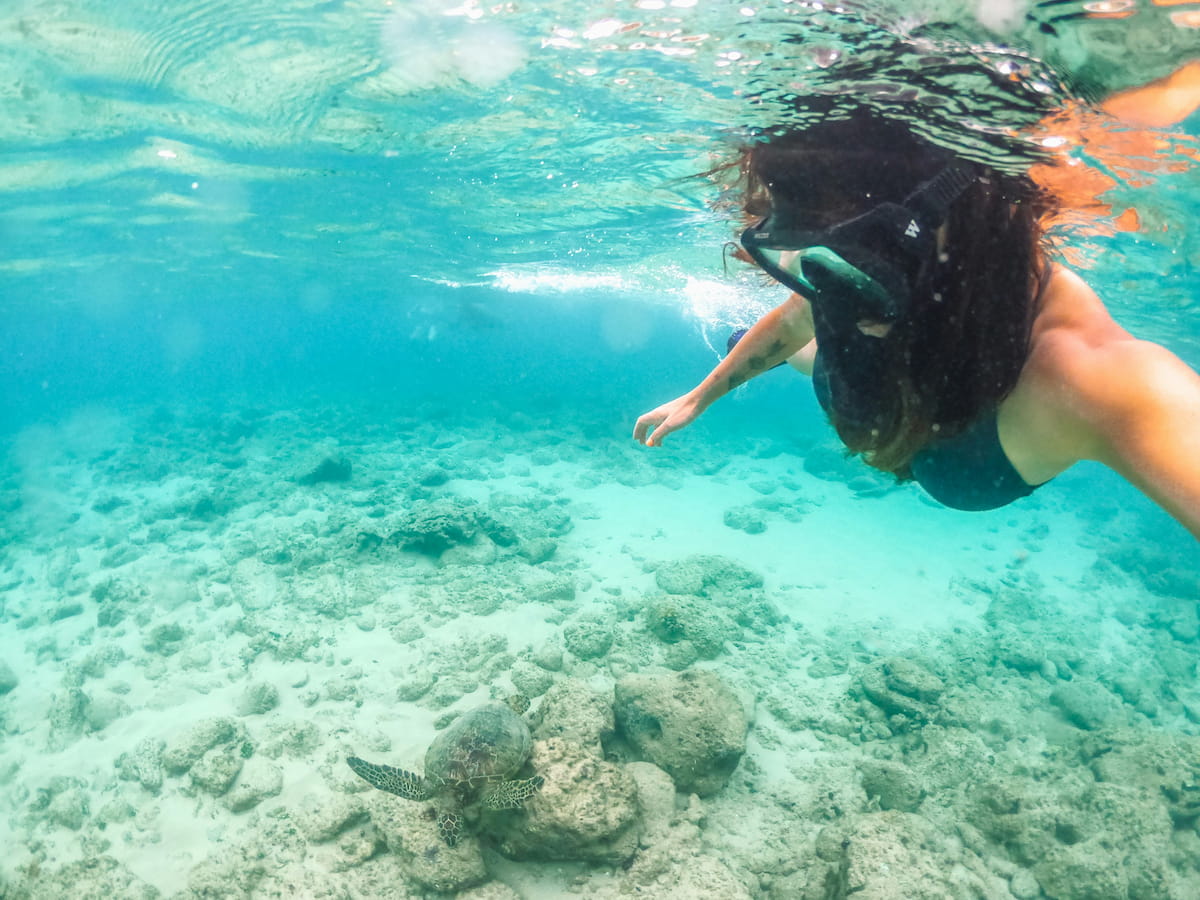
Hanauma Bay is a collapsed volcanic crater that became Oahu’s premier snorkeling destination — and one of the most biodiverse reef ecosystems in the state. The underwater visibility is extraordinary on calm days, with sea turtles, hundreds of reef fish species, and coral formations visible in water as shallow as 5 feet. Entry is $25 per non-resident adult; children 12 and under enter free, making this genuinely family-affordable. The bay is open Wednesday through Monday (closed Tuesdays for reef recovery). All visitors must watch a mandatory reef conservation video before entering the water — roughly 10 minutes, taken seriously.
💡 Reservations open exactly 48 hours in advance at 7:00am Hawaii Standard Time and sell out within minutes for weekend dates. Set an alarm. If you miss the window, keep checking — cancellations happen — or try a weekday when competition is less fierce. Snorkel gear rental runs about $20 on-site; bringing your own saves money and improves fit for kids.
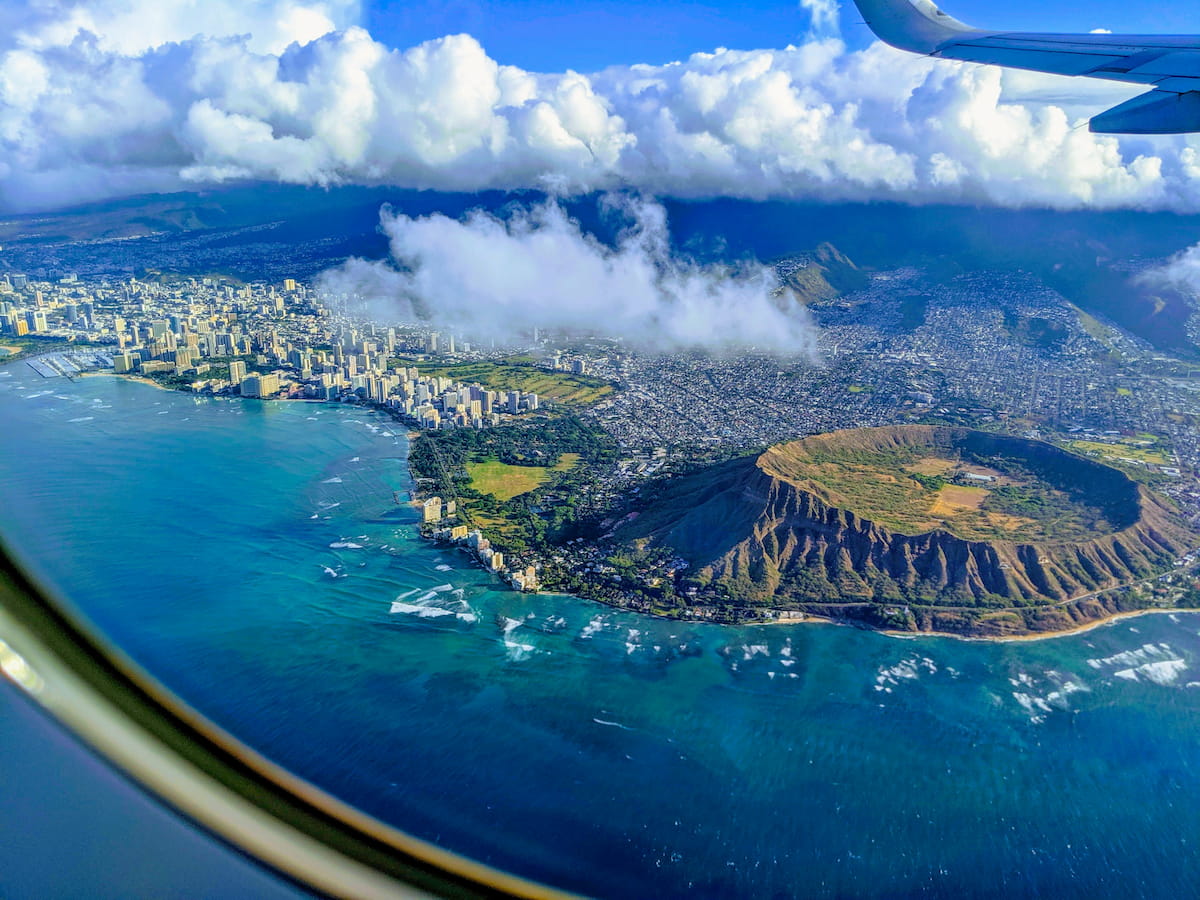
The hike to the rim of Diamond Head crater is 0.8 miles each way with about 560 feet of elevation gain — entirely doable for most families, though the steep staircases through old military tunnels near the summit require careful footing with younger children. The reward at the top is a panoramic sweep of the Waikiki coastline, Kapiolani Park, and the Pacific extending to the horizon. Admission is $5 per non-resident adult (children under 3 free), and advance reservations are required and open 30 days ahead at the state parks website. The hike takes most families 90 minutes to two hours round-trip.
💡 Starting before 8am sidesteps the worst of the midday heat and the peak visitor crunch. Bus route 23 from Waikiki stops near the entrance and eliminates the $10 parking fee — worthwhile on a tight budget or if parking anxiety is on your radar.
The USS Missouri is where Japan formally surrendered to end World War II on September 2, 1945 — and the surrender deck is marked with a bronze plaque that visitors can stand on. The ship itself is enormous, docked at Ford Island in Pearl Harbor, and self-guided tours let you explore gun turrets, the bridge, the engine room, and dozens of other compartments at your own pace. For children who have just processed the weight of the Arizona Memorial, stepping aboard the Missouri provides a different angle on the same conflict — from its ending rather than its beginning. Walk-up tickets are available at the Pearl Harbor ticket booth; no advance reservation required.
💡 The Pacific Aviation Museum ($26/adult) is on the same Ford Island and included in some combination ticket packages. A dedicated World War II history day — Arizona in the morning, Battleship Missouri plus the aviation museum in the afternoon — is among the most comprehensive family history experiences available anywhere on the US mainland or its territories.
The Polynesian Cultural Center in Laie on the North Shore is a nonprofit staffed by students from Brigham Young University-Hawaiʻi — many of whom grew up in the Pacific Island nations they represent. Six villages bring the cultures of Hawaii, Samoa, Tahiti, Fiji, Tonga, and Aotearoa (New Zealand) to life through hands-on activities: kids learn to crack open a coconut in Samoa, try tapa weaving in Hawaii, and watch fire knife demonstrations throughout the day. The all-day village admission at $24.95 adult is one of the better-value paid experiences in Oahu. The center is also the starting point for the evening luau packages covered in the Signature Experiences section below.
💡 Arrive by noon — the HUKI canoe pageant at 12:40pm on the lagoon is not to be missed and sets the tone for the afternoon. Drive yourself rather than taking the Waikiki bus to maximize time at the center and allow a North Shore detour on the way home.
The Ali’i Luau Package at the Polynesian Cultural Center — which includes the Ali’i Luau buffet with live Hawaiian music, gold-level seating at the HĀ: Breath of Life evening show, and all-day village access — sits at $157.95 per adult ($126.96 ages 4–11) as of April 2026. The HĀ show features over 100 Pacific Island performers in an open-air theater with fire knife dancing, Polynesian storytelling through dance, and production values that routinely surprise visitors expecting something modest. For families visiting Oahu once, this is the definitive cultural evening on the island — nothing else at this price point touches the depth or spectacle of what the PCC has assembled.
💡 The Super Ambassador Package ($293.95/adult) adds a privately guided tour and platinum seating — worth considering for families where parents are deeply interested in Polynesian culture. The standard Ali’i Luau Package is the sweet spot for most family budgets. Book directly at polynesia.com and use code “DIRECT10” for 10% off.
Several operators run sunset catamaran cruises directly from Waikiki Beach, typically departing around 5pm and lasting 90 minutes on the water. The view of Diamond Head from the ocean as the sun drops toward the horizon is something photographs never quite capture — and watching it from a sailboat with a mai tai in hand is a different experience entirely from watching it from the shoreline. Most operators offer family-friendly rates for children, and the catamaran ride itself is gentle enough for most ages. This is the experience that genuinely earns the word “memorable” for families doing Oahu for the first time.
💡 Book through a Waikiki Beach Services operator for the shortest walk from your hotel — many allow same-day booking when space allows. Sunset cruises operate year-round, but May through September offers the longest daylight windows and calmer seas.
Waikiki is not only the birthplace of modern surf culture — it is genuinely the easiest place on earth to learn to surf. The long-period, gentle waves in the Queens break are tailor-made for beginners, and the warm water means no wetsuit is required. Group lessons running 90 minutes to two hours are offered constantly from the beach, with instructors who have been teaching the basics here for decades. Most students stand up within the first session. Children as young as 5 participate in family lessons. The moment a kid stands up on a wave for the first time in Waikiki is the kind of thing they talk about for years.
💡 Hans Hedemann Surf and Waikiki Surf Co. are among the most established operators. Morning sessions (8–10am) have smaller groups and better light; afternoon sessions are often cheaper as operators try to fill remaining spots. Book through hotel concierge or directly at the beach shacks on Kalakaua Avenue.
Oahu from the air is a different island entirely. A 45-to-60-minute doors-on or doors-off helicopter tour covers the Pali Lookout cliffs, the Windward Coast beaches laid out like a map, the Ko’olau mountain valleys, and Pearl Harbor from above — compressing geography that takes hours to drive into a single panoramic sweep. For families that have been circling the island by car for several days, the helicopter flight crystallizes the entire landscape in a way that nothing ground-level can replicate. Operators depart from Honolulu Airport, and most require a minimum of two passengers, making it practical for a family booking together.
💡 Blue Hawaiian Helicopters is the most established operator with a strong safety record. Book the doors-on tour with a window seat guarantee rather than the doors-off version if any family member has a strong reaction to heights or wind. Morning flights have the best light and the calmest air.
The Atlantis submarine departs from a pier near Hilton Hawaiian Village and descends to about 100 feet — deep enough to pass sunken ships, artificial reef structures, and large marine life that the snorkeling beaches cannot match. The 45-minute submerged portion is genuinely compelling for children who are interested in marine life but cannot yet scuba dive, and the company’s emphasis on maintaining undisturbed reef ecosystems adds an educational layer. Adults typically find the experience more interesting than they expected; kids almost universally love it. The price is steep for a 45-minute activity, which is why it earns a Signature Experience designation rather than a standard Paid recommendation.
💡 Children must be at least 36 inches tall to participate. Book directly at atlantisadventures.com for the best rates — third-party booking fees can add $15–25 per person. Morning departures have clearer water visibility than afternoon slots.
Worth It / Skip It
Don’t Make These Mistakes
Hanauma Bay reservations open exactly 48 hours in advance at 7:00am Hawaii Standard Time, and they sell out in minutes for weekend and holiday dates. Visitors who discover this on arrival day — with excited kids expecting to snorkel — face a long, deflating drive back to Waikiki. Set an alarm for 6:55am HST two days before your intended visit and be at your phone when the reservation system opens. For any trip involving more than five or six days on Oahu, try twice if you miss the first window.
The majority of first-time Oahu visitors never see the windward coast. They stay in Waikiki, make a Pearl Harbor day trip, and go home without experiencing Kailua, Lanikai, the North Shore, or the Ko’olau mountains — which together represent what makes Oahu irreplaceable rather than interchangeable with any other tropical resort destination. Budget at least two full days for the windward and North Shore sides of the island. You will immediately understand why local families who have lived here for decades still choose to live here.
Hawaii law prohibits sunscreens containing oxybenzone and octinoxate at state parks, and Hanauma Bay strictly enforces this — rangers will turn you away or require you to wash off before entering the water. Beyond the legal issue, these chemicals genuinely damage coral reefs, which is why the restriction exists. Bring or purchase reef-safe mineral sunscreen (zinc oxide or titanium dioxide) before your trip. Sunscreen with these approved ingredients is widely available in Waikiki but runs 30–40% more expensive than at home; buy ahead to save money and guarantee you have what you need.
Restaurants within a two-block radius of the beach on Kalakaua Avenue average $25–45 per person for a casual sit-down meal — several times what a plate lunch at a local drive-in costs for the same quality of food, and often inferior in terms of local character. The Rainbow Drive-In near Diamond Head, the garlic shrimp trucks on the North Shore, and Koko Head Café in Kaimuki are among the most celebrated food experiences in Honolulu. None of them require a reservaton, none of them charge Waikiki prices, and all of them tell you more about how people actually eat on this island than any hotel restaurant ever will.
VacayValue Scorecard — Oahu, Hawaiʻi
Packing List — Oahu, Hawaiʻi
Planning a Hawaii Family Trip?
Get our free Hawaii cheat sheet — Pearl Harbor booking timeline, reef-safe sunscreen brands, and the exact North Shore itinerary that works for families with kids of any age.
Oahu Costs More Than It Seems — and Delivers More Than You Expect
The sticker shock of an Oahu trip is real: long flights from most of the country, Waikiki hotels that don’t apologize for their prices, and car rental rates that fluctuate dramatically depending on how far in advance you book. These costs are legitimate reasons to hesitate. They are not reasons to skip Oahu.
What this island offers families — a profound encounter with American history at Pearl Harbor, beaches that genuinely rank among the finest on earth, the Polynesian Cultural Center’s singular evening, a surf lesson in the exact spot where modern surfing was born — lands in the category of experiences that children carry into adulthood. The VacayValue Score of 7.4 reflects a destination where the ceiling of what you can experience is among the highest on any island in the Pacific, and the floor of what you spend to have a meaningful trip is lower than the flight cost suggests, because the best of Oahu is free.
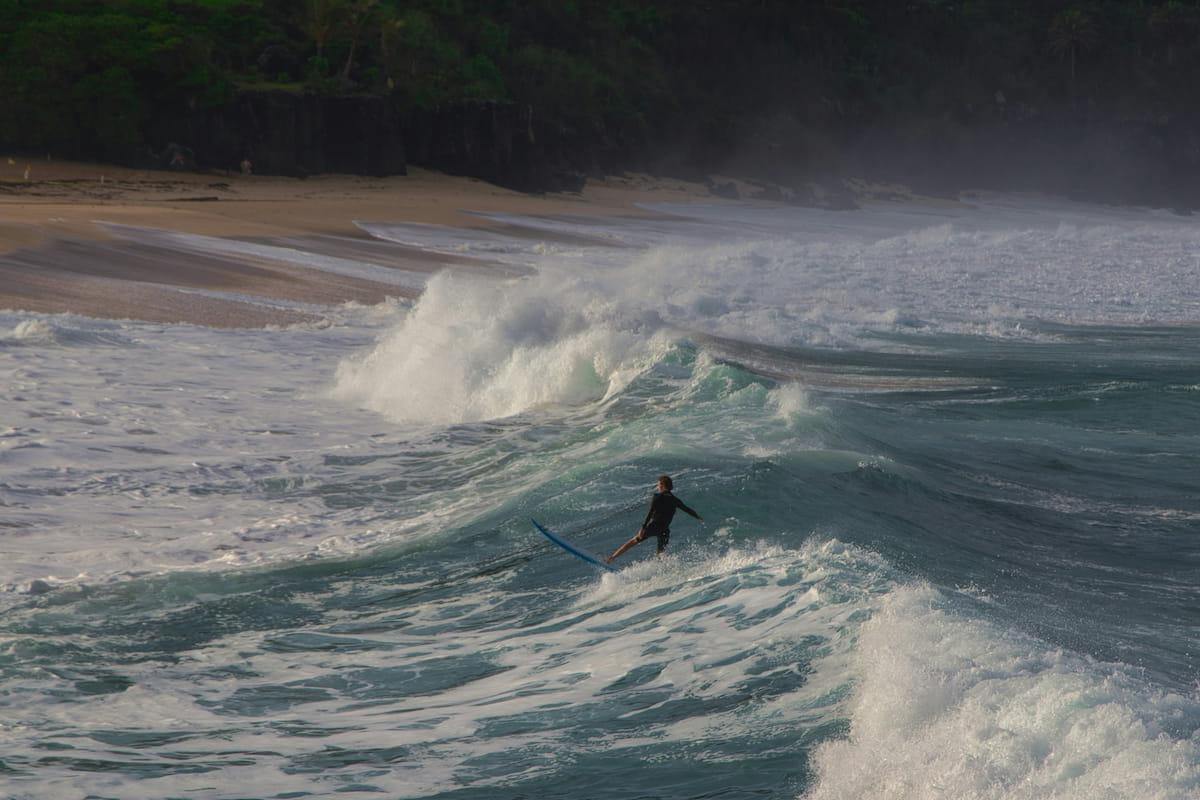
Budget carefully for accommodation and the rental car. Spend confidently on the one or two paid experiences that match your family. Fill the rest of the itinerary with Kailua Beach, Lanikai, and an afternoon watching the world’s best surfers from the sand at Sunset Beach on the North Shore. That combination — free, spectacular, and impossible to recreate anywhere else — is what Oahu does that no price tag can diminish.