
Tulum 2026: The World’s Most Beautiful Wellness Destination (With an Honest Price Tag)
Cenotes. Jungle yoga shalas. Temazcal ceremonies. Mayan ruins on a cliff above the Caribbean. Tulum has the most extraordinary natural wellness setting on earth — and the most genuinely expensive price tag in Mexico. Here’s how to do it right.

It’s 7am and you’re on a bike, riding the jungle road south from Tulum Town toward the beach hotels. The air is already warm and scented with copal from a temazcal somewhere nearby. A thatched yoga shala opens to your left, class in progress, the teacher’s voice drifting out over the sound of birds. You park the bike and walk down to the water. The Caribbean is that color again — the color that still surprises you on day four. You’ve been in the cenote twice, done sunrise yoga, eaten coconut açaí bowls, sweated through a fire ceremony, and slept under a palapa roof. This is the Tulum that justifies every overcrowded Instagram photo. It is also genuinely expensive. Both things are true.
Tulum was Mexico’s best-kept secret, then became famous, then became expensive, then became the most expensive city in Mexico — pricier than Cancun, pricier than Mexico City, more expensive per equivalent experience than Barcelona or Lisbon. This is the candid version of the Tulum guide. The cenotes are extraordinary. The yoga is world-class. The temazcal ceremonies are authentic. And the beach hotel that costs $300/night has a $180 equivalent in Tulum Town 15 minutes away by bike. The experiences are worth the trip. The prices require strategy. This guide provides both.
What’s In This Guide
📅 Best Time to Visit Tulum
Sweet spot for wellness travel: February, April, May, and November. These months combine the best cenote clarity (dry season water levels), comfortable yoga weather, manageable crowds at the ruins and beach clubs, and hotel rates 20–40% below December–January peak. May is particularly strong for budget-conscious wellness travelers — shoulder season pricing with beautiful conditions.
Where to Stay — Town vs. Beach Zone
This is Tulum’s defining decision. Tulum Pueblo (Town) is 3–4 miles inland — budget guesthouses and boutique hotels for $50–$90/night, the best street food, and a 15-minute bike ride to the beach. The Tulum Hotel Zone runs 8 miles along the coastal road — eco-lodges, jungle boutiques, and beachfront palapa resorts from $150 to $600+/night. Both are legitimate choices. The town is the smart money play. The beach zone is the experience money buys. All rates verified March 2026.
A wellness-focused property in the jungle between Tulum Town and the beach zone — daily yoga classes included in the room rate, a cenote-style pool surrounded by jungle, and a community of wellness practitioners who make the common spaces genuinely social. At $60–$110/night it delivers the Tulum wellness aesthetic at a fraction of the beachfront price. The trade-off is 15 minutes by bike to the ocean — manageable on a $10/day rental, especially since the jungle road bike ride is itself a daily ritual that guests describe as a highlight of the stay.
One of the most beautifully designed eco-boutiques on the Tulum beach road — thatched roofs, reclaimed wood, natural textiles, and a yoga deck that opens directly to the jungle canopy. Be Tulum sits on the quieter northern stretch of the beach road where the pace matches the wellness positioning. The spa menu includes traditional Mayan treatments and the morning yoga classes have ocean sounds in the background. At $200–$380 in shoulder season, it’s the best intersection of the Tulum beach aesthetic and sensible pricing on the beach road.
Nômade is Tulum’s most spiritually ambitious property — a beachfront sanctuary that hosts resident shamans, daily cacao ceremonies, fire circles, breathwork sessions, and sound baths as part of the property programming rather than optional add-ons. The architecture is extraordinary: open-air bamboo and stone structures where the Caribbean breeze moves through every space. A private cenote on the property. Nightly DJ sets that draw Tulum’s creative community. This is the concentrated version of everything Tulum has become — beautiful, intentional, expensive, and genuinely unlike anything available anywhere else.
Get the Budget Travel Cheat Sheet
Booking shortcuts, packing hacks, and money-saving moves our readers use on every trip — free when you subscribe.
15 Best Tulum Wellness Experiences
Tulum’s wellness offering is the most concentrated and most diverse in the world — cenote swimming, jungle yoga, ancient Mayan sweat lodge ceremonies, sound healing, breathwork, and cacao circles coexist within a few square miles. The free tier here is genuinely limited; Tulum has commodified almost everything. The paid tier ranges from $6 ruins entry to $3,500 week-long retreats. This guide covers the range without blinking.
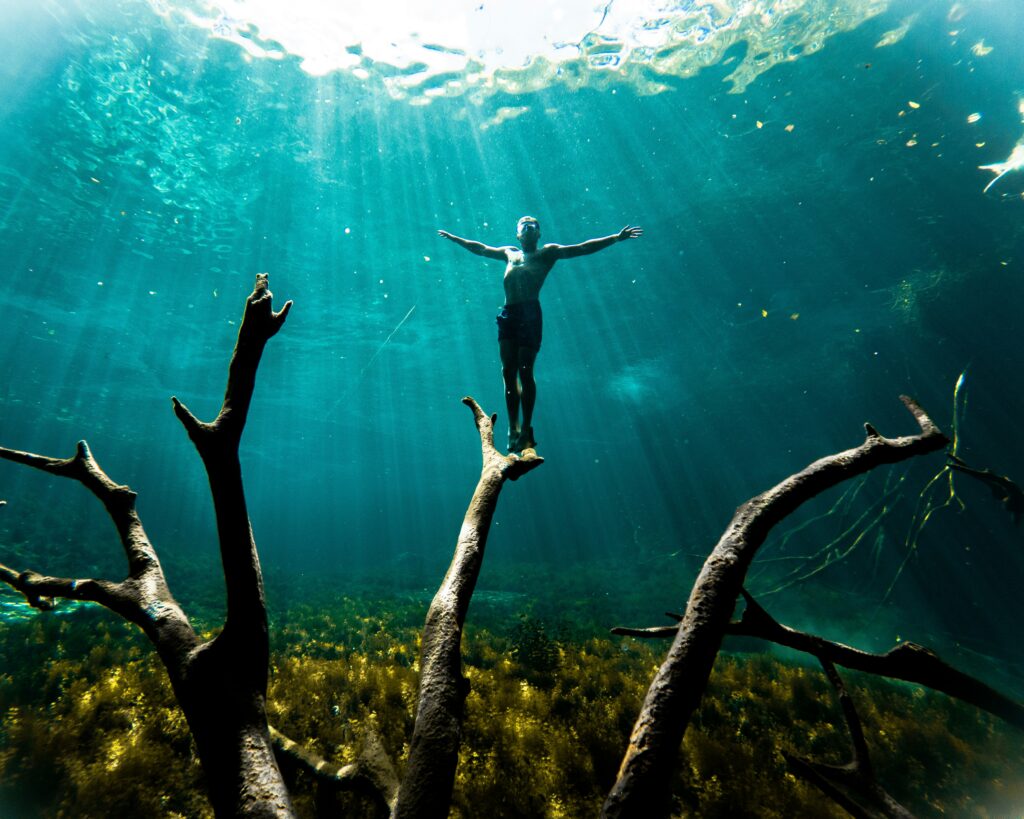
Playa Paraíso at the northern end of the Tulum beach road is a public access beach that consistently ranks among the most beautiful in Mexico — white powdered sand, the Caribbean in its most absurd turquoise, and the Tulum ruins visible on the cliff to the south giving the beach a backdrop unavailable anywhere else in the Caribbean. It is genuinely free, genuinely open to all, and genuinely extraordinary. The beach clubs flanking it charge $50–$150 minimum spend; the public beach between them costs nothing. Bring your own food, water, and a blanket, park $5 at the nearby lot, and spend the day at one of the world’s great beaches for under $10.
💡 Arrive before 9am to claim a spot on the public sand before the beach clubs deploy their staff. The north end nearest the ruins access road is the least crowded section. The water is calmest in the morning — the afternoon onshore breeze picks up seaweed depending on the season.
The road that runs 8 miles along the Tulum beach zone — the Boca Paila corridor — passes through a tunnel of jungle with beach properties opening to the right and jungle closing in from the left. At 6:30am before tourist traffic begins, this road is one of the most beautiful morning experiences in Mexico: light filtering through the canopy, copal smoke from early ceremonies, the sound of the Caribbean through the vegetation, and the occasional coati crossing ahead. Biking this corridor at dawn is a daily ritual for Tulum regulars and one of the most purely enjoyable $10 spends in the destination.
💡 The $10/day bike rental pays for itself on day one — it covers the dawn ride, cenote access, and evening return from the beach. Most town hotels have bikes available. The journey from Tulum Pueblo to the beach road takes 20 minutes through genuinely lovely roads.
Tulum Pueblo’s market and taquería streets represent the only genuine food value left in Tulum — a world away from the $25 açaí bowls on the beach road. The morning market on Avenida Tulum has fresh produce, regional cheeses, and Yucatecan prepared foods at prices set for the people who live here. The taco trucks near the ADO bus terminal serve suadero, al pastor, and cochinita pibil for $2–$3 each. The lunch spots around the central market offer comida corrida — soup, rice, main, tortillas — for $8–$12. Eat every meal in town for two days and bank the savings for one genuine beach club day. The food is not inferior; it is significantly better than most things on the beach road.
💡 El Camello Jr. on Avenida Tulum is the most recommended local taquería — the cochinita pibil tacos are outstanding and the line is always locals. Order by the kilo or the taco, bring cash, and eat standing at the counter. Three tacos and a horchata costs $7.
The Tulum ruins are the only major Mayan archaeological site built directly on a Caribbean cliff — the El Castillo temple perched 40 feet above the turquoise water with the sea stretching to the horizon below. The ruins date to the 13th century and served as a major trading port; the enclosing wall is one of the few examples of a fortified Mayan settlement. The site itself is relatively compact — 90 minutes covers it completely — but seeing a 700-year-old temple with Caribbean water as its backdrop produces a visual experience no photograph adequately represents. At $6, it is the best $6 spent in Tulum.
💡 Arrive at 8am when the gates open — by 10am the site is genuinely crowded and by noon it is overwhelming. The small beach directly below the ruins, accessible from inside the site, is one of the finest swimming spots in the area and is included in the entry fee.
Two side-by-side cenotes on the Boca Paila road south of Tulum, each offering a completely different experience. Cenote Cristal is an open cenote — a circular pool in a jungle clearing, open to the sky, with freshwater so clear that the bottom is visible at 30 feet. Cenote Escondido is the opposite — a cave cenote entered through a narrow jungle gap, the water emerald green, the walls hanging with vines and roots. Both cost $8–$10 each, both are accessible by bike from the beach road, and swimming between them in a single morning is one of the most accessible and least crowded cenote days in the Tulum area.
💡 Both cenotes are on the same stretch of road — rent a bike, pack reef-safe sunscreen, and combine them in a 3-hour morning. Arrive before 9am and you’ll have both to yourself. After 11am the tour buses arrive. Bring cash in pesos — neither accepts cards.
The most famous cenote near Tulum and the most spectacular — a cathedral-like system of connected cave chambers and open pools, with stalactites descending into crystal-clear water and shafts of light cutting through the cave ceiling to illuminate the water below. Freshwater turtles inhabit the system and are regularly visible while snorkeling. The combination of cave architecture, light quality, and marine life produces a snorkeling experience with no equivalent in the Caribbean. At $25 including snorkel gear rental ($5 extra to bring your own), it is the most expensive single-site admission near Tulum and worth it without reservation.
💡 Gran Cenote is 3 kilometers west of Tulum Town — reachable by bike in 15 minutes or $3 colectivo. Go at 8am when it opens before the organized tour groups arrive. The cave snorkeling section at the rear of the system is the most extraordinary part — follow the light shafts inward.
Tulum has the highest concentration of genuinely skilled yoga teachers of any destination outside Bali — practitioners from every major tradition who relocated here specifically for the environment and community. Drop-in classes at studios including Sanará, Yaan Wellness, and Ahau Tulum run $20–$40, with the beachfront and jungle settings elevating the practice beyond what any urban studio can replicate. A sunrise class at 7am on the beach as Caribbean light comes in horizontally from the east is the Tulum experience people describe most consistently when they get home.
💡 Check Instagram pages for specific teachers rather than booking through studio websites — Tulum’s yoga teachers post class schedules daily and the best classes are often impromptu pop-ups on the beach or at retreat centers. A $25 class with a world-class teacher in an open-air jungle shala is genuinely extraordinary.
The temazcal is a pre-Columbian sweat lodge ceremony — a dome of volcanic stones heated to extreme temperatures, medicinal herbs burned on the stones, guided meditation and chanting led by a trained facilitator in near-total darkness. The ceremony runs 90 minutes to 2 hours, inducing deep sweating, altered breathing, and an introspective state that practitioners describe as profoundly releasing. It is one of the most specifically Mexican wellness experiences available — not a manufactured tourist product but a ceremony with 3,000 years of continuous indigenous use. Multiple legitimate practitioners operate in Tulum at $50–$100 per session.
💡 Do not eat for 3–4 hours before a temazcal and hydrate heavily beforehand. The heat is intense and the experience is physically demanding. Choose a practitioner recommended by your hotel or a trusted local source — the quality of guidance varies significantly and a well-led temazcal is a completely different experience from a poorly facilitated one.
Sound healing — using crystal singing bowls, Tibetan bowls, gong, and voice in combinations designed to shift brainwave states — is practiced daily at multiple venues throughout Tulum. A 60–90-minute sound bath costs $30–$60 and produces a measurable relaxation response in most participants. Cacao ceremonies — which use ceremonial-grade cacao as a heart-opening plant medicine with guided meditation — are offered by multiple experienced facilitators and cost $30–$50. Both are worth trying once in Tulum; the setting and quality of practitioners here is the best available outside specialized retreat environments.
💡 Many beach hotels include a weekly sound bath or cacao ceremony in their programming — check your hotel’s event calendar on arrival. Attending the in-house version saves $20–$40 over booking separately. The sound bath at Nômade on Friday evenings is widely considered the best in Tulum at $40 for non-guests.

Cobá is a major Mayan city 30 miles northwest of Tulum — 20,000 people at its peak, over 6,000 structures spread across jungle so vast that only a fraction has been excavated. The Nohoch Mul pyramid, at 138 feet, is the tallest climbable Mayan structure in the Yucatan Peninsula. Day tours from Tulum include transport, entry, a guide, and a cenote swim. At $50–$80, it is the best archaeological day trip available from Tulum and an experience significantly different from the compact coastal ruins.
💡 Rent a bike inside the Cobá site ($5) — the main pyramid is 2 kilometers from the entrance and the jungle paths are beautiful. The cenote stops on return tours are often smaller, less-visited sites — ask specifically which cenote is included before booking.
The restaurants on the Tulum beach road represent something genuinely found nowhere else in Mexico — outdoor jungle dining spaces designed by architects who understand the difference between ambiance and atmosphere. Hartwood (wood-fired, locally sourced), Arca (modern Mexican in a converted jungle space), and Rosa Negra (Latin American with Caribbean ingredients) produce cooking that is legitimately excellent in settings physically extraordinary. At $35–$65/person including drinks, these restaurants are expensive by Mexican standards and inexpensive by the standards of comparable experiences anywhere else. One genuine jungle dinner is the correct splurge in this category.
💡 Hartwood and Arca book out 2–3 weeks ahead in high season — reserve online before you arrive. The no-electricity-after-dark rule at Hartwood (generator-free, fire-lit) is not a gimmick. The dining room illuminated by fire and candlelight in an open-air jungle space is one of the most atmospheric restaurant experiences in Mexico.
Tulum’s beach clubs operate on a minimum spend model rather than an entry fee — pay $50–$150 per person and receive that amount as credit toward food and drinks, plus access to lounge chairs, pools, and the club’s section of beach. Papaya Playa Project, Vagalume, and Taboo Beach Club are the most established. At $50 minimum on a weekday, this buys a day of beautiful beach access with Caribbean swimming, a lounge chair, shade, and a couple of drinks and snacks — better value per dollar than paying for an expensive hotel room with beach access you’d use for one day.
💡 Order food rather than drinks to maximize value — the kitchen at most Tulum beach clubs is genuinely good and the ceviche and guacamole are typically excellent. Weekend minimums run $100–$150; weekday rates are 30–40% lower. Go on a Tuesday or Wednesday for the best atmosphere and best price.
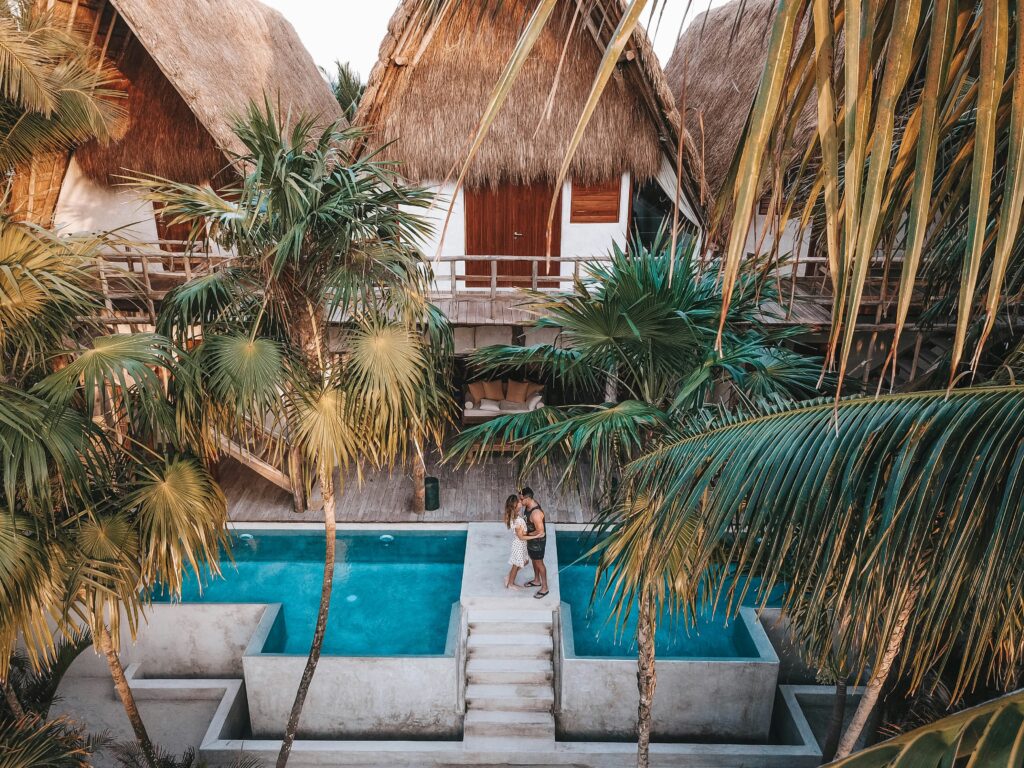
A structured 3-day wellness retreat at one of Tulum’s dedicated retreat centers — Holistika, Amansala, Casa Galactica, or Yaan Wellness — combines accommodation, meals, daily yoga (2 classes/day), one temazcal, a sound bath, a cenote visit, and guided meditation into a single package. At $350–$900 per person all-inclusive, these packages eliminate the decision fatigue of building an itinerary and deliver the full Tulum wellness experience at a per-day cost ($117–$300) that is competitive with paying for the components separately. For first-time Tulum visitors who came specifically for the wellness experience, the 3-day package format is often the most efficient and cost-effective entry point.
💡 Book 4–6 weeks ahead — retreat spots fill faster than hotel rooms. Amansala’s Bikini Boot Camp format runs bi-weekly and is the most established. Yaan Wellness operates with resident Mayan healers who bring a level of cultural authenticity that newer wellness venues haven’t replicated.
The Sac Actun underwater cave system near Tulum is the longest known underwater cave in the world — 347 kilometers of mapped passages connected through Yucatan limestone to the sea. Guided cavern dives (open water certification required — no cave cert needed for cavern diving, which stays within the light zone) take certified divers through passages of extraordinary beauty: stalactites formed above water during ice ages and now submerged, halocline layers where fresh and salt water meet in visible thermoclines, and visibility extending hundreds of feet through freshwater at 68°F. At $120–$200 for a 2-tank guided cavern dive, it is the finest dive experience in the Caribbean.
💡 You need an open water certification minimum. Cenote Dos Ojos (Two Eyes) is the standard entry point — it connects to the Sac Actun system and the light quality in the cavern is legendary. Book through Koox Diving or Xibalba Dive Center — both have excellent safety records and experienced guides.
Directly south of Tulum’s hotel zone, the Sian Ka’an Biosphere Reserve — a UNESCO World Heritage Site covering 1.3 million acres of Caribbean coastline, lagoons, wetlands, and mangrove forests — is one of the most pristine protected ecosystems in the Western Hemisphere. Guided boat tours include floating down an ancient Mayan canal on inner tubes (the current carries you — genuinely one of the most unusual and peaceful experiences in the Yucatan), a snorkeling stop over a pristine reef section, bird watching in the mangroves (roseate spoonbills, jabiru storks, frigatebirds), and fresh seafood lunch at a fishing village inside the reserve. Limited entry numbers keep the experience genuinely unhurried.
💡 Tours depart from the Boca Paila bridge at the southern end of the hotel zone and require reservations — visitor numbers are genuinely limited by park regulation. Community-based operator Sian Ka’an Tours is the most established; book 1–2 weeks ahead in high season. Bring reef-safe sunscreen only.
Worth It / Skip It
Don’t Make These Mistakes
Not checking sargassum conditions before booking beach accommodation. Sargassum seaweed affects the Tulum coast from approximately April through October with varying intensity year to year. In bad sargassum seasons, the beach hotels’ primary selling point — the Caribbean — is behind a wall of brown, smelly seaweed for days or weeks at a time. Check sargassummonitoring.com before committing to a beach zone booking. In high sargassum conditions, staying in town and visiting the cenotes (completely unaffected) is the correct adjustment.
Using chemical sunscreen at the cenotes. Cenotes are not isolated swimming pools — they are part of a continuous underground river system connected to the Caribbean reef. Chemical sunscreens (oxybenzone, octinoxate) are formally banned at cenotes and cause genuine ecosystem damage. Most cenotes require washing off conventional sunscreen before entering and conduct chemical checks at the gate. Bring mineral sunscreen (zinc oxide, titanium dioxide) — it works better in warm water and eliminates this problem at the cenote entrance.
Paying beach zone taxi rates to get everywhere. A taxi from Tulum Town to the beach road costs $20–$30 one way. The same journey by bike costs $0 additional if you’ve already rented one for $10/day. The colectivo costs $3. Visitors who don’t rent bikes and don’t use colectivos spend $40–$60/day on taxis that cover distances of 3–4 miles. Rent the bike on day one. It is not just transport — it is the experience of the jungle road that makes Tulum’s geography comprehensible and beautiful.
Coming to Tulum expecting a budget Mexico trip. Tulum is the most expensive city in Mexico — this is documented pricing data, not reputation. A traveler who plans Tulum assuming “it’s Mexico so it’ll be cheap” will encounter $25 smoothies, $50 taxi rides, $300/night jungle hotels, and $15 beach club beers. Stay in town, rent a bike, eat at the market, and the value is genuinely excellent. Walk in expecting Oaxaca prices and you will be unhappy every single day.
VacayValue Scorecard — Tulum
Packing List — Tulum
Every Sunday: One Destination. One Honest Take.
Join travelers who plan smarter. One email per week — real costs, specific advice, no filler.
Tulum Is the World’s Most Beautiful Wellness Destination. It Is Also Mexico’s Most Expensive City. Both Are True.
There is nowhere else on earth where you can swim through a 300-foot visibility underground cave in the morning, do yoga in an open jungle shala at sunset, sweat through a 3,000-year-old fire ceremony at night, and sleep under a palapa roof to the sound of the Caribbean. This specific combination — cenote systems, Mayan ceremonial traditions, world-class yoga teachers, and the Caribbean — exists only here.
The candid version of this guide acknowledges what the algorithm doesn’t: Tulum is expensive. The beach zone restaurants charge Paris prices. The eco-resorts charge Maldives prices. The wellness experiences are commodified in ways that would have been unrecognizable to the indigenous traditions that inspired them. None of this makes them less beautiful or less worth experiencing. It makes them require a strategy.
Go in February, April, or November. Stay in Tulum Pueblo for at least half your trip. Rent a bike the moment you arrive. Swim in three different cenotes. Do a temazcal. Eat one extraordinary dinner on the beach road by firelight. And check the sargassum forecast before you book a beachfront room.